People with coeliac disease
For ready-made chocolate biscuits, look for a clear gluten-free label on the specific pack you’re buying. A wheat-free recipe or another gluten-free product from the same brand isn’t enough to make your choice.


If you have coeliac disease and are buying ready-made chocolate biscuits for the festive season, look for the words ‘gluten-free’ on the current packaging. ‘Wheat-free’ or a familiar brand name alone isn’t enough. Under Implementing Regulation (EU) No 828/2014, a food labelled ‘gluten-free’ must contain no more than 20 mg of gluten per kilogram. Baking your own gives you more control over the shape and ingredients, but you’ll need a suitable gluten-free recipe and must check every ingredient. With both ready-made and homemade biscuits, you should also check for any other allergens.
For ready-made chocolate biscuits, look for a clear gluten-free label on the specific pack you’re buying. A wheat-free recipe or another gluten-free product from the same brand isn’t enough to make your choice.
You want to choose the shape and decoration yourself. You’ll need gluten-free ingredients and a recipe with a well-matched flour blend and quantities. EDEKA warns that making substitutions can leave biscuits dry and crumbly.
You want to serve ready-made gluten-free chocolate biscuits but need to take other ingredients into account. Hammermühle lists egg, milk protein, soya and hazelnut paste among the ingredients in Schoko Cremolino, and warns that it may contain traces of other nuts. Always check the information on the specific pack.
A good choice if: You want to serve chocolate biscuits without baking, and the current pack is explicitly labelled gluten-free.
Bear in mind: The gluten-free label doesn’t tell you whether the product contains milk, egg, soya or nuts.
A good choice if: You want to choose the shape and decoration yourself.
Bear in mind: The flour blend needs to suit the recipe. If you have coeliac disease, check the chocolate, sprinkles and every other ingredient individually too.
| What matters | What to check | Who it matters most to |
|---|---|---|
| Gluten-free labelling | For ready-made biscuits, look for the words ‘gluten-free’ on the current pack. For homemade biscuits, choose every ingredient accordingly. Under Implementing Regulation (EU) No 828/2014, the limit for gluten-free labelling is no more than 20 mg of gluten per kilogram. | If I’m choosing chocolate biscuits because I have coeliac disease, a clear label matters more than the brand name. Around 50% of consumers put this requirement first. |
| Baking results | Choose a gluten-free flour blend and use the quantities specified for it; follow the recipe instructions when preparing the dough. | When shaping chocolate biscuits myself, I want the dough to bake without becoming dry and crumbly. Around 30% of consumers say this is their priority. |
| Ready-to-eat snack and other allergens | For a ready-to-eat product, check the ingredients, highlighted allergens and any ‘may contain’ warnings on the pack, as well as its gluten-free label. | If I don’t want to bake and need to take other allergies into account, I need a ready-made snack with ingredients that suit me. Around 20% of consumers give this need priority. |
A chocolate coating doesn’t tell you which grains have been used. Bahlsen lists wheat flour in its Chocolate Wafers; the fact that LEIBNIZ Minis are gluten-free doesn’t mean a Choco product is gluten-free too.
If you have coeliac disease, check for a gluten-free label on the specific, current pack rather than assuming it applies because another product from the same brand is gluten-free.
According to the manufacturer, Hammermühle Schoko Cremolino, described as gluten-free, contains egg, milk protein, soya and hazelnut paste. It may also contain traces of other nuts.
If you have additional allergies, read the ingredients list and any ‘may contain’ warnings on each product.
A different flour blend can change the texture of your biscuits. EDEKA warns that substitutions can leave them dry and crumbly.
Use a gluten-free biscuit recipe and stick to the ingredients and quantities it specifies.
Ingredient information on a product page may differ from what’s on the pack. LEIBNIZ explicitly advises that the packaging information takes precedence.
Check the current pack before eating, especially if you have coeliac disease or other allergies.
The manufacturer offers ready-made gluten-free biscuits and recipes for gluten-free baking at home.
LEIBNIZ Minis are gluten- and lactose-free butter biscuits, not a chocolate biscuit range.
The brand offers chocolate-coated biscuits, but if you have coeliac disease, it’s the specific product that matters.
This selection includes a chocolate biscuit and a chocolate wafer bar for anyone looking for a ready-made snack instead of baking festive biscuits. A wafer bar isn’t a traditional chocolate biscuit, though. If you have coeliac disease, the gluten-free label on the current pack is what matters for both products.
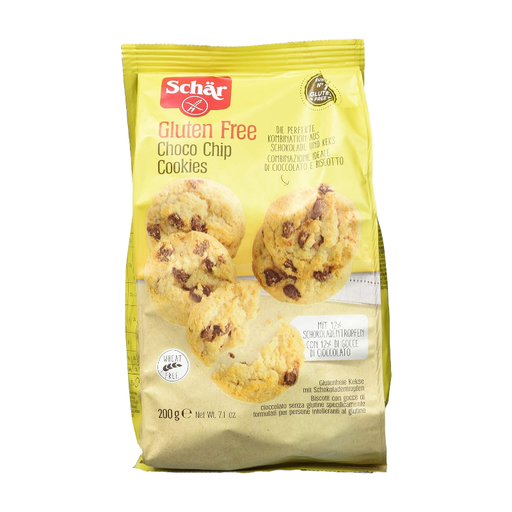 Image unavailable
A ready-made chocolate biscuit option for when you don’t want to bake for the festive season. If you have coeliac disease, check for a gluten-free label on the current pack. If you’re allergic to eggs, pay close attention to the ingredients list and any ‘may contain’ warnings too.
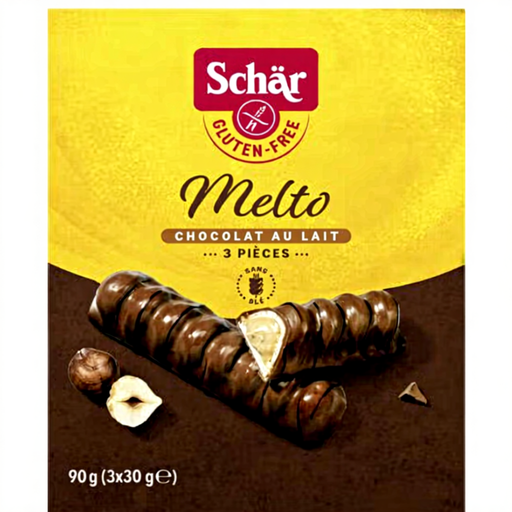 Image unavailable
A ready-made chocolate wafer bar instead of homemade biscuits, but not a chocolate biscuit. The product information lists hazelnuts, milk and soya. If you have any of these allergies, check the ingredients and any ‘may contain’ warnings on the current pack too.
Under Implementing Regulation (EU) No 828/2014, foods labelled ‘gluten-free’ must contain no more than 20 mg of gluten per kilogram. The label doesn’t tell you whether the product contains other allergens such as milk, egg, soya or nuts.
You can’t assume that Choco LEIBNIZ is gluten-free just because the Minis are: LEIBNIZ describes the Minis as butter biscuits and lists the Choco range separately. If you’re buying because you have coeliac disease, check for a gluten-free label on the current pack of the specific Choco variety you want.
Using a different flour blend or quantity can change the baking results. EDEKA recommends using alternative flours and blends as specified in the recipe to help prevent biscuits from becoming dry and crumbly.
Leave the biscuits to cool completely, then store them in an airtight container. Lidl Kochen’s recipe recommends using airtight tins. If you’ve decorated the biscuits, make sure the chocolate has set before putting them away.