If someone with coeliac disease is sharing the treats, the specific packet of chocolate biscuits should be labelled gluten-free; the brand name and chocolatey appearance aren’t enough. Whether ready-made cookies, sandwich biscuits or homemade biscuits are best for the occasion depends on the format you want and how much time you have for baking. Check other allergens and ingredients such as oats separately.
Who is this selection for?
Households where someone has coeliac disease
If someone with coeliac disease is joining you for Christmas coffee and biscuits, checking that the specific baked treat is labelled gluten-free comes before taste and appearance. Ingredients and allergen information matter too if you need to consider other intolerances or allergies.
Anyone serving treats without the effort of baking
If you want a biscuit selection without making your own dough, ready-made gluten-free cookies and sandwich biscuits are worth considering. Choose a format that suits how you plan to serve them: a filled sandwich biscuit is different from a chocolate-coated biscuit or a cookie with chocolate chips.
Anyone with additional requirements for ingredients
If you’re looking for vegan or organic options as well as gluten-free ones, check the details on each product. A gluten-free label alone doesn’t tell you whether a biscuit contains milk, egg, soya, nuts or oats.
What should you look for when buying?
When choosing baked treats for someone with coeliac disease, check first that they’re labelled gluten-free. Then decide whether ready-made biscuits will save you time or whether homemade ones will let you create the shapes and decorations you want. Check any additional ingredient requirements separately.
| Criteria |
What to check |
Who it matters to |
| Gluten-free labelling |
Look for “gluten-free” on the specific packet; don’t assume that “wheat-free” means the same thing. If there are other allergies, check the ingredients and allergen information too. |
If someone with coeliac disease is sharing the treats, I don’t want to rely on a biscuit’s name or appearance alone. This clear-cut requirement is a priority for around 42% of consumers. |
| Format and baking effort |
Choose ready-made cookies, chocolate-coated biscuits or sandwich biscuits to suit the way you want to serve them. If you’d like to make your own shapes and decorations, check for a gluten-free recipe and suitable ingredients. |
For a coffee gathering when I don’t have time to bake, I need treats I can put straight on the biscuit plate. Around 33% of consumers prioritise this convenience. |
| Other ingredient requirements |
Check vegan or organic claims for each product, and read the ingredients list for oats, milk, egg, soya and nuts. |
If a particular recipe or avoiding an allergen matters as well as being gluten-free, the individual biscuit needs to meet that requirement too. This is the main additional selection criterion for around 25% of consumers. |
Which common mistakes can you avoid?
-
Assuming a chocolatey appearance or familiar brand means a product is gluten-free
A biscuit’s name or appearance doesn’t make it a suitable choice for someone with coeliac disease. What matters is the labelling on the specific product.
First, look for “gluten-free” on the packet, then compare the type of biscuit and its flavour.
-
Assuming “gluten-free” means free from all allergens
Gluten-free biscuits can still contain milk, egg, soya or nuts, for example. Ingredients can vary even between products from the same brand.
Check the ingredients and allergen information again for every variety you choose.
-
Choosing gluten-free oats without checking further
Hammermühle notes that people with coeliac disease may tolerate gluten-free oats to different degrees in its chocolate biscuits containing oats.
Check the information for the specific oat variety and speak to your healthcare professional about any questions relating to your individual tolerance.
-
Treating gingerbread and chocolate biscuits as the same kind of treat
Gluten-free chocolate Elisen gingerbread can add variety to a Christmas biscuit selection, but it isn’t a crunchy chocolate biscuit or a filled sandwich biscuit.
Choose the type of baked treat you want, rather than relying on chocolate and seasonal packaging alone.
Brands to consider
The brands below offer different gluten-free biscuits and Christmas treats. Check the details for each variety rather than relying on the brand name alone.
Schär
Schär offers gluten-free biscuits in a range of formats, including chocolate biscuits, cookies and butter biscuits.
- According to Schär, its Choco Keks contains 30 % chocolate; the product range includes other types of biscuit too.
- Ingredients vary: dm-drogerie markt lists milk and egg among the ingredients in Schär Butterkekse “Petit Beurre”.
Hammermühle
Hammermühle offers gluten-free chocolate biscuits, as well as varieties with oats and seeds.
- The brand’s range includes Bio Simply Seeds Kekse Schoko, and it also publishes a recipe for homemade gluten-free chocolate biscuits.
- Hammermühle notes that people with coeliac disease may tolerate gluten-free oats differently in products containing oats.
Alnavit
Alnavit offers gluten-free Schoko Cookies and, as a seasonal treat, Schoko-Elisenlebkuchen.
- According to Alnavit, its Schoko Cookies are vegan and contain 23 % dark chocolate; the Schoko-Elisenlebkuchen are also described as gluten-free and vegan.
- The Schoko Cookies contain cashew nuts, so they aren’t suitable if you need to avoid this ingredient.
dmBio
dmBio offers gluten-free sandwich biscuits with cocoa cream.
- The dm-drogerie markt product page describes the filling as vegan.
- If you have other requirements concerning ingredients or allergens, the labelling on the specific packet remains essential.
Suitable products at Joybuy
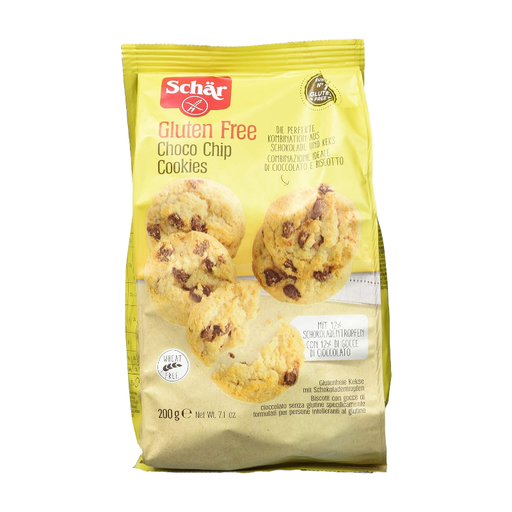
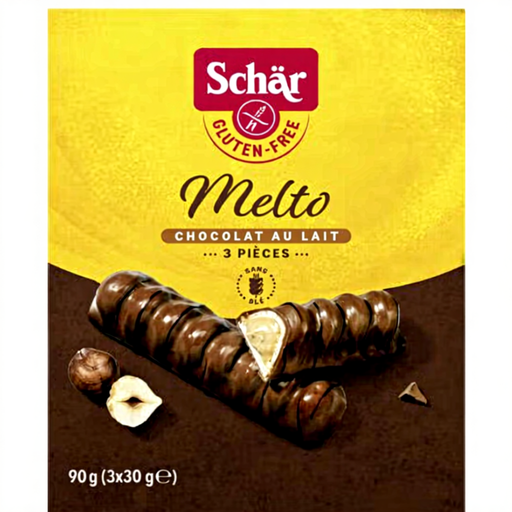
This selection includes a gluten-free chocolate cookie that’s ready to serve and a gluten-free hazelnut wafer bar in a different format. The wafer bar isn’t a replacement for a classic chocolate biscuit; check the packaging for both products if you need to avoid other ingredients.
 No image available
Schär Gluten-Free Chocolate Chip Cookies, 200 g
A ready-made gluten-free cookie with chocolate chips for your biscuit plate or coffee table.
This variety isn’t suitable if you have a soya allergy. Available information about its egg content is conflicting, so check the current labelling on the packet.
View at Joybuy
 No image available
Schär Gluten-Free Melto Hazelnut Wafer Bars, 3 × 30 g
A gluten-free hazelnut wafer bar for anyone who’d prefer a chocolate-coated alternative to a chocolate biscuit with their coffee.
Pack of 3 × 30 g. This variety contains hazelnuts, milk and soya; if you have other allergies, check the may-contain information on the packet too.
View at Joybuy
Frequently asked questions
Is “wheat-free” enough for chocolate biscuits served to someone with coeliac disease?
No. “Wheat-free” doesn’t mean the same as “gluten-free”. If you’re buying for someone with coeliac disease, look for a gluten-free label on the specific packet.
Are gluten-free chocolate biscuits also vegan or nut-free?
Not automatically: a gluten-free label doesn’t answer those questions. For example, Alnavit describes its Schoko Cookies as vegan but lists cashew nuts as an ingredient. Check the packaging for each product to make sure it meets any other requirements.
Are chocolate biscuits made with gluten-free oats suitable for everyone with coeliac disease?
There’s no one-size-fits-all answer. Hammermühle notes that people’s tolerance of gluten-free oats in its chocolate biscuits containing oats can vary; seek professional advice if you have questions about your individual needs.
How should I store homemade gluten-free chocolate biscuits?
Lidl recommends storing its recipe’s biscuits in an airtight tin. If they’re for someone with coeliac disease, make sure the tin and serving utensils are clean, and keep the biscuits separate from gluten-containing ones.


