Bakers with coeliac disease
If biscuits are going into a base, dessert or decoration, the pack you actually use must also be labelled gluten-free.


For coeliac disease, start by checking that the specific pack is labelled ‘gluten-free’. Under EU Regulation No. 828/2014, this claim means the food contains no more than 20 mg of gluten per kg. For crumb bases, decoration or biscuit desserts, the type of biscuit and its ingredients will then determine whether it suits your recipe and any other allergen requirements. A filled biscuit, a chocolate chip cookie and a wafer bar are not interchangeable.
If biscuits are going into a base, dessert or decoration, the pack you actually use must also be labelled gluten-free.
If you also need to avoid milk, eggs, soya or certain nuts, check the ingredients and may-contain warnings for each biscuit individually. The ‘gluten-free’ claim doesn’t answer these questions.
Whether a plain cookie, filled biscuit or wafer speciality suits your recipe depends on the type of biscuit it calls for and the ingredients you use.
First, check that the specific product is labelled gluten-free. Then compare its other ingredients and choose the type of biscuit that best suits your baking.
| Criteria | What to check | Who it matters to |
|---|---|---|
| Gluten-free labelling | Look for ‘gluten-free’ on the current pack rather than assuming it from the brand or product photo. | If I’m making a biscuit base with coeliac disease, this labelling is essential. For around 50% of consumers, it’s the first thing they look for. |
| Other ingredients and allergens | Compare the ingredients and may-contain warnings with the requirements of everyone who’ll be eating it. | If the dessert also needs to avoid certain other ingredients, the gluten-free claim alone isn’t enough for me. Around 30% of consumers prioritise these additional requirements. |
| Type of biscuit and recipe suitability | Tell apart plain cookies, filled biscuits, oat biscuits and wafer products; check which type your recipe calls for. | For my dessert, it matters whether I use a plain biscuit or a filled product. For around 20% of consumers, choosing the right type of biscuit comes first once the gluten-free requirement is met. |
LEIBNIZ lists wheat flour as an ingredient in Choco Edelherb. So you can’t assume a product is gluten-free based on its brand name or type of chocolate.
For gluten-free baking, choose only a suitably labelled variety and read the ingredients on its pack.
Gluten-free chocolate biscuits may contain milk, eggs, soya, lupin or nuts, for example. May-contain warnings also vary by product.
Before buying, decide which ingredients everyone eating the dessert needs to avoid, then check each pack.
Hammermühle notes that people with coeliac disease may tolerate gluten-free oats differently in its Schoko Haferkekse.
If you’re unsure about oats, choose a gluten-free-labelled variety without oats for this recipe instead.
Recipes and the packaging currently available in shops may differ.
Check the labelling, ingredients and allergens on the pack before using the biscuits—even if you’ve bought the same variety before.
Schär offers several chocolate biscuit products labelled gluten-free. The type of product and other ingredients vary by variety.
The range includes different types of gluten-free biscuits, including filled cocoa biscuits and chocolate oat biscuits.
The Poensgen chocolate biscuits described by REWE are labelled gluten-free and contain gluten-free wheat starch.
According to REWE, the Bio Chocolate Cookies are gluten-free, lactose-free shortbread biscuits with 17% dark chocolate.
This brand is particularly useful for distinguishing between a gluten-free biscuit variety and classic chocolate biscuits.
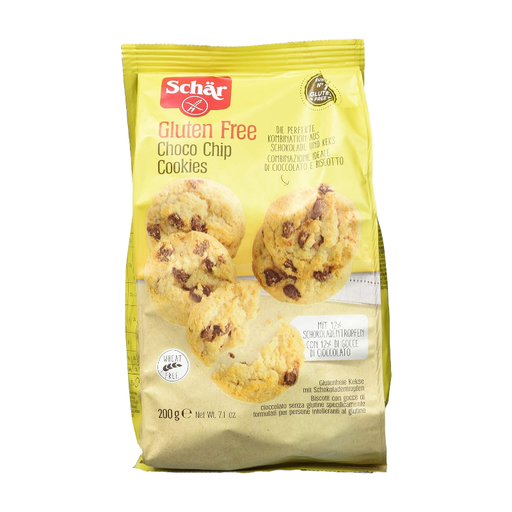
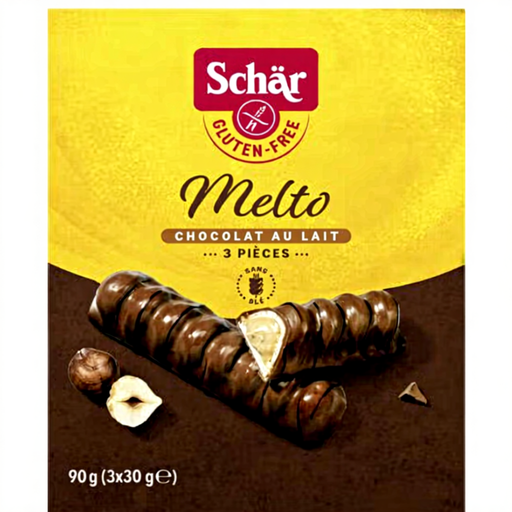
For baking, you could consider a chocolate chip cookie and a hazelnut wafer bar as two different types of product. Check the gluten-free labelling on each pack and make sure the product type suits your recipe; the wafer bar isn’t a chocolate biscuit.
 No image available
Chocolate chip cookies could work in a dessert or crumb base, provided they suit the preparation method in your chosen recipe.
The product name describes gluten-free cookies in a 200 g pack. Before using them, check the gluten-free labelling, ingredients and may-contain warnings on the pack.
 No image available
If your recipe specifically calls for wafer pieces rather than biscuit crumbs, you could consider this type of product. It isn’t a like-for-like substitute for a chocolate biscuit base.
The product name describes gluten-free hazelnut wafer bars in a pack of three, each weighing 30 g. Check the gluten-free labelling, ingredients and may-contain warnings on the pack.
In the EU, a food can be labelled ‘gluten-free’ under Regulation No. 828/2014 if it contains no more than 20 mg of gluten per kg. If you have coeliac disease, the labelling on the pack you actually buy is what matters.
LEIBNIZ Choco Edelherb isn’t a gluten-free option for this baking project: according to the manufacturer, it’s baked with wheat flour. The LEIBNIZ Minis labelled gluten- and lactose-free, on the other hand, aren’t chocolate biscuits.
For a recipe that calls for oat biscuits, choose only a variety that’s suitably labelled gluten-free. Hammermühle also notes that people with coeliac disease may tolerate gluten-free oats differently in its chocolate oat biscuits. The label alone can’t answer this individual question.
The ‘gluten-free’ claim doesn’t rule out milk, eggs, soya, lupin or nuts. For example, REWE lists milk, soya and sweet lupin flour in Poensgen chocolate biscuits. So compare the ingredients and may-contain warnings on each pack with the requirements of everyone eating them.
Don’t simply swap wheat flour for any gluten-free flour at a 1:1 ratio. EDEKA explains that gluten-free biscuits can turn out dry and crumbly if you use an unsuitable substitute. Follow the flour blend and quantities in a specific gluten-free recipe.