What should you look for when buying?
First decide whether you want to take a packaged biscuit with you, so you can check it beforehand, or buy biscuits from a stall. Then choose a type of biscuit and ingredients that suit your other requirements.
| What matters to you |
What to check when buying |
Who it matters most to |
| Gluten-free status and surfaces |
For packaged biscuits, check that the specific variety is labelled “gluten-free”; at a stall, ask about ingredients and shared surfaces. |
If I have coeliac disease, I want to check the biscuit before buying it and take it with me without it coming into contact with open displays. This is the top priority for around 50% of consumers. |
| Festive type of biscuit |
Compare speculoos, gingerbread or cinnamon stars with everyday cookies, and check the labelling on each variety. |
For my visit to the market, I’m specifically looking for festive biscuits rather than an everyday cookie. Around 30% of consumers prioritise this. |
| Other dietary requirements |
Read the ingredients, highlighted allergens and any precautionary allergen information relevant to you for the specific variety. |
If I also need to avoid milk, eggs, nuts or soya, “gluten-free” on its own isn’t enough. These additional requirements take priority for around 20% of consumers. |
Lebensmittelklarheit explains that in Germany, food may only be labelled “gluten-free” when it contains no more than 20 mg of gluten per kg. However, the pack label doesn’t tell you what crumbs or surfaces a biscuit might come into contact with after opening.
Gluten-free biscuits at Joybuy
This selection features a packaged gluten-free biscuit to take with you, rather than speculoos or gingerbread. Before eating, check the label on the pack you receive and keep the biscuit away from crumbs and surfaces that may contain gluten.
 No image available
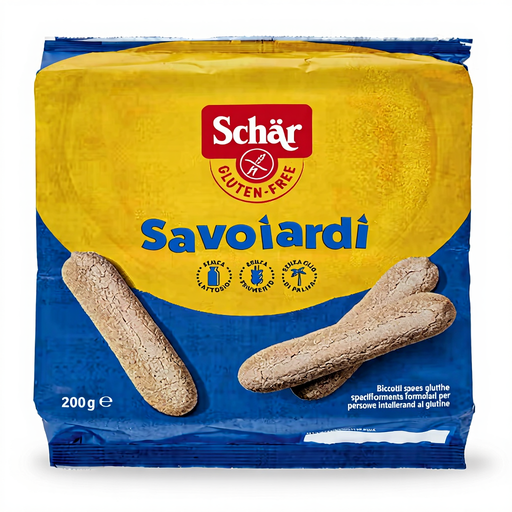
Schär Gluten-Free Ladyfingers Biscuits, 200 g
These gluten-free sponge fingers could be a sweet biscuit to take with you if you’re not looking for something specifically festive.
The pack contains 200 g. According to the product information, this variety contains eggs and is unsuitable if you have an egg allergy.
View at Joybuy
Frequently asked questions
Is a “gluten-free” label on a biscuit enough if you have coeliac disease?
For packaged biscuits, it’s an important thing to check. According to Lebensmittelklarheit, food sold to consumers in Germany can contain no more than 20 mg of gluten per kg to be labelled “gluten-free”. Also check the specific pack for other allergens, and after opening, avoid contact with crumbs or surfaces that may contain gluten.
What should I ask about loose biscuits at a Christmas market stall?
Ask about the ingredients and allergen information for the specific product, as well as any shared displays, equipment and work surfaces. The German Coeliac Society warns of possible contamination at Christmas markets; an ingredients list alone won’t tell you whether there has been any contact.
Are gluten-free biscuits also vegan, lactose-free or nut-free?
No. “Gluten-free” doesn’t tell you anything about these other requirements. For example, Gullón lists soya and possible traces of milk in one variety of gluten-free cookies. Coppenrath Feingebäck’s gluten- and lactose-free butter speculoos recipe contains butter and egg ingredients. Always check the variety you’ve chosen.
How should I take gluten-free biscuits to the Christmas market?
Keep them in the sealed original pack until you’re ready to eat them, or put them in a clean, airtight container. Don’t place them on surfaces or share utensils that may have come into contact with biscuits containing gluten.


