Traditional rye bread isn’t suitable for a gluten-free döner night: rye contains gluten, as the German Coeliac Society explains. For individually filled portions, look for rolls clearly labelled gluten-free; for topped slices, choose sliced bread; and for warm bread, opt for rolls you can bake at home. If you have coeliac disease, you’ll also need to check the meat, sauces and preparation for possible gluten cross-contamination.
Which type of bread is right for you?
People with coeliac disease
It’s not just the gluten-free label on the bread that matters. The ingredients and preparation of the other döner components are important too. The German Coeliac Society also warns that crumbs, flour dust and contaminated kitchen utensils can cause gluten cross-contamination.
Hosts with an oven
If you’re putting together a döner at home and want to serve the bread warm, gluten-free rolls that you can bake at home are an option. Follow the preparation instructions on the pack you choose.
Fans of individually filled portions
If everyone is going to fill their own döner, a gluten-free roll may suit your serving style better than sliced bread. However, it won’t automatically give you the pocket shape of a pitta.
What should you look for when buying?
First, decide what you need in terms of gluten-free ingredients and preparation. Then choose a type of bread for filled rolls, warming in the oven or topped slices.
| Criteria |
What to check when buying |
Who it matters to |
| Gluten-free status and cross-contamination |
Look for the words “gluten-free” and check the current ingredients list. If you’re buying a prepared döner, check the ingredients and whether equipment is shared. |
If I have coeliac disease, the whole meal, including how it’s prepared, needs to meet my requirements. For around 50% of consumers, this protection is the main consideration when choosing. |
| Bread type and preparation |
Check whether the bread can be filled, needs to be baked at home or is intended to be served in slices. |
For individually filled portions or warm bread, I need a type that suits the way I’m serving it. Around 30% of consumers prioritise this. |
| Other ingredients and allergens |
Compare the ingredients, allergen information and precautionary “may contain” statements on the specific pack. |
If I need to avoid ingredients other than gluten, the words “gluten-free” on their own aren’t enough. For around 20% of consumers, these additional requirements are a priority. |
Which mistakes can you avoid?
-
Searching for “gluten-free rye bread”
Rye contains gluten, so it isn’t a suitable base for gluten-free bread. The German Coeliac Society makes this clear.
Instead, look for bread labelled “gluten-free” in the shape you want, and check the information on the current pack.
-
Checking the bread and nothing else
The way the meat is prepared, as well as spices, sauces and coatings, can all affect whether the meal is suitable. The German Coeliac Society also notes that gluten can be transferred via crumbs, flour dust or kitchen utensils.
When preparing the meal, use clean or separate utensils and equipment. If you’re eating out, ask specifically about the ingredients and how shared surfaces and equipment are handled.
-
Assuming “gluten-free” means free from all allergens
A gluten-free label doesn’t tell you whether the bread contains ingredients such as sesame or soya. Ingredients and “may contain” information vary between products.
If you have other allergies, check the label on the specific product rather than choosing based on the brand or bread type alone.
-
Relying on product images instead of the packaging
Ingredients and product information can vary between versions. EDEKA notes that the information on the packaging is the one to follow.
Check the pack again before buying. If you’re planning a döner night, make sure in good time that the type of bread you want is available locally.
Brands and product ranges to consider
Schär
Schär’s Meisterbäckers Classic is a gluten-free sliced bread, suitable for topping.
- Schär describes Meisterbäckers Classic as gluten-free and lactose-free.
- Sliced bread won’t give you a filled döner pocket. Check the ingredients and allergen information for the version you choose.
REWE frei von
The range includes gluten-free hamburger rolls and gluten-free country bread – two different options for döner night.
- REWE says its hamburger rolls can be eaten as they are, toasted or warmed briefly in the oven.
- The country bread is suitable for serving in slices, not as a pocket. Check the ingredients and allergen information for each product.
EDEKA Herzstücke
The range includes gluten-free rolls for baking at home and gluten-free seeded bread.
- EDEKA gives a baking time of 7–9 minutes for its gluten-free Weltmeisterbrötchen rolls.
- According to EDEKA, the Weltmeisterbrötchen rolls contain sesame and may contain traces of soya. Check the packaging of the specific product.
Poensgen
Poensgen’s gluten-free country bread is another option for serving in slices.
- REWE lists Poensgen country bread as gluten-free and lactose-free.
- It isn’t a pitta. If you have other allergies, check the ingredients on the specific pack; the product contains gluten-free wheat starch.
Joybuy products for döner night
This selection includes a roll for baking at home and serving warm, plus a bread mix for making your own bread or rolls. The bread mix isn’t ready-made döner bread. For both products, check the current packaging to see whether they meet your requirements.
 Image unavailable
Schär Kaisersemmel Gluten-Free, 350 g
A good option for a döner night at home if you want to bake the rolls in the oven before serving.
The rolls must be baked thoroughly before eating. Keep them frozen and do not refreeze them after they have thawed.
If you plan to fill them, check that their shape suits what you have in mind. If you have a soya allergy or coeliac disease, check the information on the specific pack and avoid gluten cross-contamination during preparation.
View at Joybuy
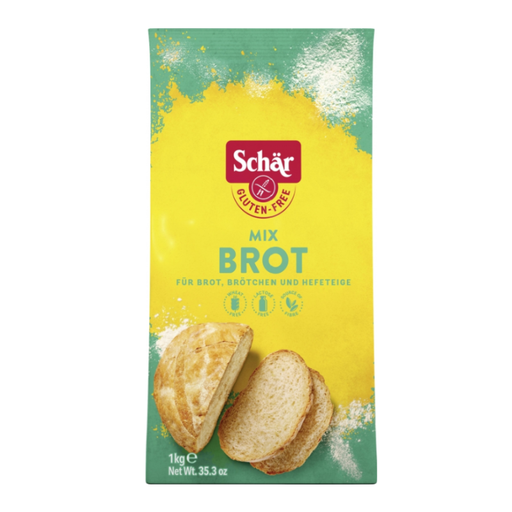 Image unavailable
Schär Gluten-Free Bread Baking Mix, 1 kg
This could be a good choice if you’d like to bake your own bread or rolls for döner night and have time to prepare the dough.
This is a bread mix, not ready-to-eat bread. You’ll also need yeast, water and salt to prepare it.
It won’t necessarily give you a pocket shape or be suitable for filling. Check the pack for ingredients and possible traces of soya. If you have coeliac disease, use clean, separate equipment while baking too.
View at Joybuy
Frequently asked questions
Is rye bread gluten-free?
No. Rye contains gluten, as the German Coeliac Society explains. For a gluten-free döner night, choose an alternative clearly labelled gluten-free instead of traditional rye bread.
What does “gluten-free” mean on a pack in Germany?
Under Implementing Regulation (EU) No 828/2014, a food may be labelled “gluten-free” when sold to consumers if it contains no more than 20 mg of gluten per kg. This label doesn’t replace the need to check for other ingredients and allergens.
Is gluten-free bread enough for a döner if you have coeliac disease?
No. You’ll also need to consider the other ingredients and how the meal is prepared. The German Coeliac Society identifies crumbs, flour dust and contaminated kitchen utensils as possible sources of gluten cross-contamination. If you’re eating out, ask about the ingredients and any shared equipment.
How long can I keep gluten-free rolls after opening?
It depends on the product. REWE says its REWE frei von gluten-free hamburger rolls should be eaten within two days of opening. For other rolls, follow the instructions on the pack.


