
Lieferung heute & morgen

Qualitätsgarantie

Willkommens-Angebote freischalten: KOSTENLOSE Lieferung | Bis zu 80 % RABATT | Kostenlose 30-Tage-JoyPlus-Testphase
App herunterladen
The selection of gluten-free flour on supermarket shelves is constantly growing. For individuals with celiac disease, a gluten intolerance, or those making conscious dietary choices, the question often arises: which of the many flour alternatives is right for my recipe? Whether for baking bread, preparing cakes, or thickening sauces, each type has its own specific properties.
This guide is designed to help you make an informed decision. We will introduce various types of flour, explain their characteristics, and provide you with a selection of products suitable for different applications.
Before you choose a product, several criteria should be considered. The properties of gluten-free flours differ significantly from those of conventional wheat flour, which affects taste, texture, and nutritional value.
Gluten is the binding protein that gives dough its elasticity and structure. Since this is absent in gluten-free flours, gluten-free baking is a unique discipline.
The nutritional profiles of flour alternatives vary widely and can be specifically chosen to support certain diets.
Pay close attention to product labelling to ensure the flour meets your requirements.
Based on the criteria mentioned above, we have compiled a selection of products that stand out for their specific properties and applications.
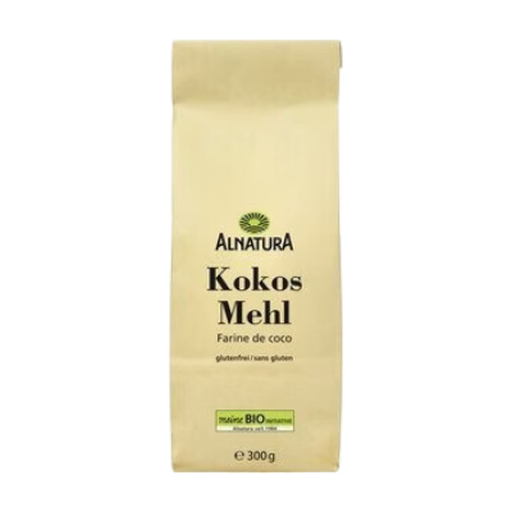
Why It Stands Out This flour is made from fresh coconut meat that is finely ground after being de-oiled and dried. It brings a subtly sweet, exotic flavour to your kitchen and is a source of fibre and protein.
Pros
Who Is It For? For health-conscious bakers looking to increase the fibre and protein content of their creations. It's a great choice for Paleo recipes and can replace 20–30% of the grain flour in baking recipes.
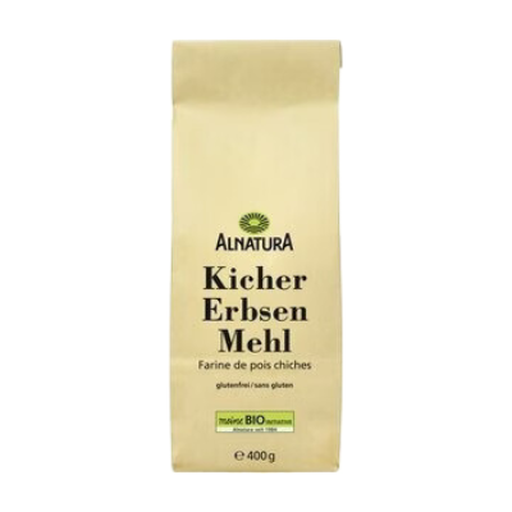
Why It Stands Out Alnatura's chickpea flour is made from organically grown chickpeas and is characterised by its neutral flavour. This makes it an all-rounder for both sweet and savoury dishes.
Pros
Who Is It For? For vegans, vegetarians, and anyone looking for a nutrient-dense, high-protein flour alternative for savoury cooking. It is also a great choice for adventurous cooks.
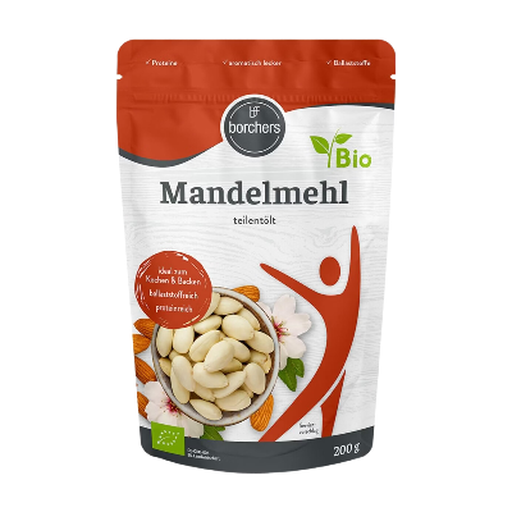
Why It Stands Out This almond flour is partially de-oiled, meaning it has a lower fat and higher protein content than ground almonds. This property also improves its baking performance, making it a popular low-carb flour.
Pros
Who Is It For? For individuals following a ketogenic, Paleo, or low-carb diet. It is the ideal choice for fine pastries where a nutty flavour and a moist texture are desired.
The products featured here are just a sample of the wide variety of flour alternatives available. If you want to discover other types like buckwheat, rice, or quinoa flour, or compare specific brands, you can find a broader selection in our category.
Discover our full range of gluten-free flour
A direct 1:1 substitution is not recommended in most recipes. Gluten-free flours have different absorption rates and binding properties. For good baking results, a blend of different gluten-free flours and the addition of a binding agent (e.g., psyllium husk, xanthan gum, or guar gum) is often necessary.
For a low-carbohydrate diet, nut flours like almond flour or flours made from seeds (e.g., flaxseed meal) are ideal. They are rich in fats and proteins and contain very few carbohydrates. Coconut flour is also a good option, as although it contains more carbohydrates, they are mostly in the form of fibre.
Due to their often higher fat content, especially in nut flours, gluten-free flours can go rancid more quickly than conventional grain flour. It is best to store them in an airtight container in a cool, dark, and dry place. For a longer shelf life, storing them in the refrigerator or even the freezer is recommended.