
Lieferung heute & morgen

Qualitätsgarantie

Willkommens-Angebote freischalten: KOSTENLOSE Lieferung | Bis zu 80 % RABATT | Kostenlose 30-Tage-JoyPlus-Testphase
App herunterladen
The selection of flour alternatives on supermarket shelves is constantly growing. Whether for health reasons, a specific diet, or pure curiosity, more and more people are looking for a substitute for classic wheat flour. However, this variety can also be overwhelming and lead to unsuitable purchases. As your Joybuy Product Recommendation Officer, I'll help you separate the wheat from the chaff and make the right choice for your kitchen.
Before you make a purchase, you should be aware of the typical stumbling blocks that often lead to disappointment in the kitchen.
To avoid a bad purchase, focus on three objective criteria that determine whether a flour alternative is right for you.
The most important property of wheat flour is gluten, which provides elasticity and structure. With gluten-free alternatives, you need to compensate for this factor.
Analyse the nutrition facts table according to your needs.
The inherent flavour of the flour significantly influences the final product.
Here are some recommendations tailored to specific use cases and dietary needs.
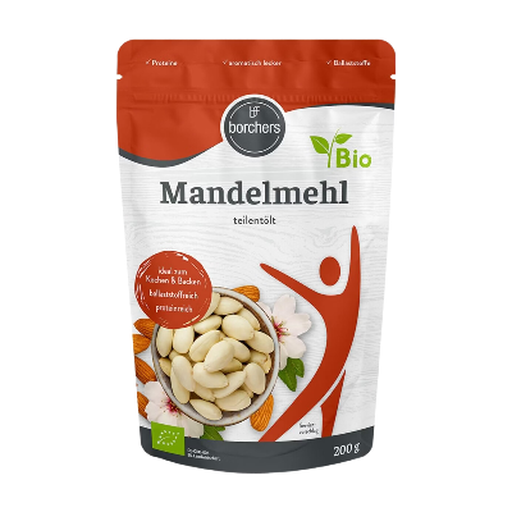
Why This Fits Their Persona: Ideal for anyone on a ketogenic or low-carb diet. It provides an excellent base for cakes, cookies, and breads without significantly impacting blood sugar levels.
It specifically meets the nutritional requirements of a low-carb diet, thus avoiding the pitfall of buying an unsuitable "gluten-free" flour with a high carbohydrate content.
High Protein Content: According to the manufacturer, it contains 21 g of protein per 100 g. Organic Quality: Made from certified organic almonds.
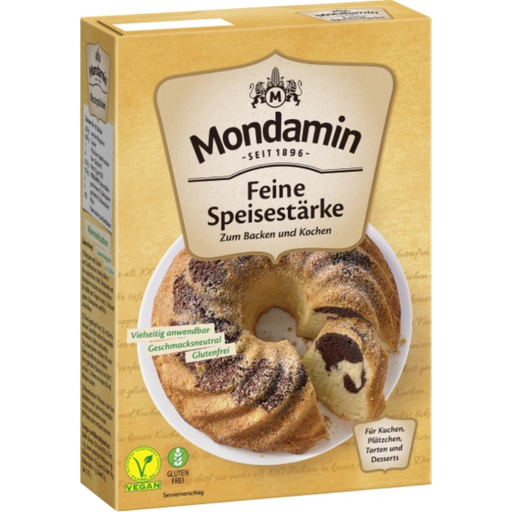
Why This Fits Their Persona: For anyone who needs a reliable, flavour-neutral, and gluten-free aid for thickening soups, sauces, and desserts. A classic that simply works.
This product is clearly positioned as a sauce thickener, not a baking flour. This prevents incorrect use and disappointing baking results from the outset.
Completely Flavour-Neutral: Does not alter the taste of your dishes. Versatile Binder: Suitable for both sweet and savoury liquids.
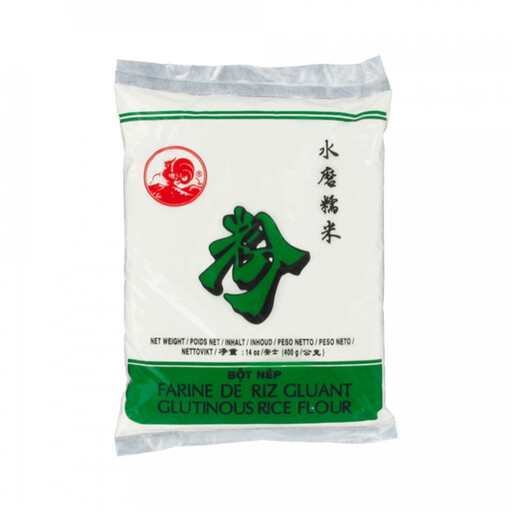
Why This Fits Their Persona: Essential for preparing authentic Asian desserts like mochi, balls for bubble tea, or glutinous rice cakes. It creates the characteristic chewy texture.
This is a specialty flour for a clearly defined purpose. It avoids the mistake of using an all-purpose flour for a recipe that requires a very specific ingredient.
Authentic Texture: Made from 100% glutinous rice for the characteristic consistency. Purity: Contains no other additives, according to the manufacturer.
We have compiled a complete, up-to-date list of products that fully meet these strict selection criteria.
1. Can you replace wheat flour 1:1 with flour alternatives? In most cases, the answer is no, especially when baking. Gluten-free flours lack the binding protein that is crucial for the structure of baked goods. For good results, a mixture of different flours or the addition of binding agents like xanthan gum or guar gum is often required. However, when used as a sauce thickener, a 1:1 exchange with starch or fine rice flour can work.
2. Which flour alternative is best for thickening sauces? For a good sauce thickener, flavour-neutral starches are the best choice. Classic corn starch, tapioca starch, or even fine white rice flour reliably thicken liquids without altering the dish's original flavour. They dissolve without lumps when mixed into cold liquid first.
3. How do I store specialty flours correctly? Proper storage is crucial for shelf life. Nut flours like almond flour or coconut flour, in particular, have a higher fat content and can go rancid more quickly. It is best to store these flours in an airtight container in a cool, dry, and dark place. The refrigerator can further extend their shelf life. Always follow the instructions on the product packaging.