
Lieferung heute & morgen

Qualitätsgarantie

Willkommens-Angebote freischalten: KOSTENLOSE Lieferung | Bis zu 80 % RABATT | Kostenlose 30-Tage-JoyPlus-Testphase
App herunterladen
Sweet potato noodles, also known as glass noodles from sweet potato starch or Dangmyeon, are a foundational ingredient in Korean and Asian cuisine. Their popularity is growing, but the selection can be overwhelming. Many buyers face the problem of noodles not having the expected texture or being unsuitable for their planned dish. This guide will help you avoid the most common pitfalls and find the right noodles for your needs.
Navigating the range of Asian noodles can lead to disappointing purchases. Pay close attention to these three points to avoid frustration.
To ensure you get the right product, check the following features on the packaging before you buy.
The most important characteristic of authentic Korean glass noodles is their base. Look for 100% sweet potato starch on the ingredient list. Products with this composition deliver the classic, pleasantly chewy and elastic texture. Blends with other starches are not inherently lower quality, but they result in a different texture that is less suitable for certain traditional dishes.
The shape of the noodles is directly linked to their ideal use case.
Here are some recommendations tailored to specific needs and dishes.
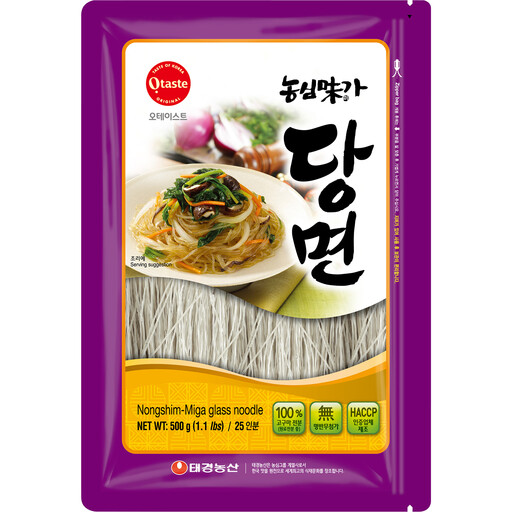
Why This Fits Their Persona: Ideal for cooks who want to achieve the authentic taste and texture of dishes like Japchae. Nongshim is an established Korean brand known for consistent quality.
Made from 100% sweet potato starch according to the manufacturer, it bypasses the pitfall of starch blends that compromise texture.
Achieves the classic chewy and elastic texture required for Korean stir-fries. Absorbs sauces well without becoming mushy.
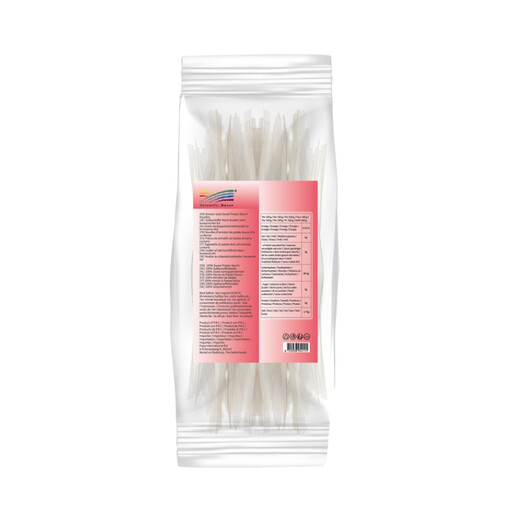
Why This Fits Their Persona: Perfect for anyone needing sturdy noodles for Chinese hot pot or Korean stews (Jjigae) that hold their shape and bite even with prolonged cooking.
The explicitly wide noodle shape prevents the mistake of buying unsuitable thin noodles that would overcook or disintegrate in a hot pot.
Made from 100% sweet potato starch. The thick, flat shape offers a large surface area for absorbing broth and provides a very satisfying, chewy texture.
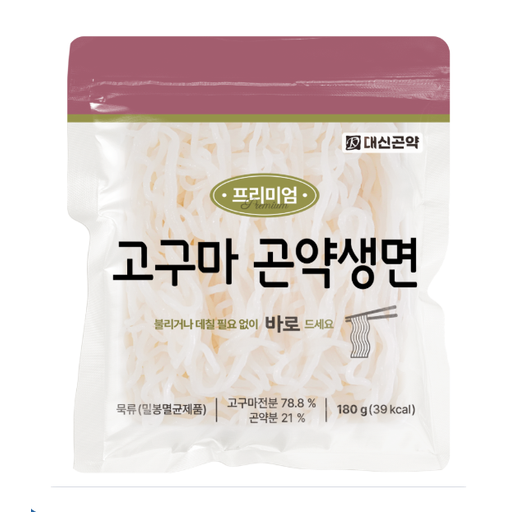
Why This Fits Their Persona: An excellent choice for a quick, **low-calorie noodle** alternative. Ideal for a mindful diet or when there's no time to cook, as they are ready to eat.
This product is clearly labelled as a konjac noodle with sweet potato starch, thus avoiding confusion with traditional, starchy glass noodles.
Extremely low in calories (22 kcal per 100g, according to the manufacturer). No cooking required—simply mix with sauce and serve.
We have compiled a complete, up-to-date list of products that fully meet these strict selection criteria.
Yes, sweet potato noodles are naturally gluten-free, provided they are made exclusively from sweet potato starch and water. However, it's always wise to check the ingredient list on the packaging, as some manufacturers may add other starchy or gluten-containing ingredients.
For best results, add the dry noodles to a large pot of boiling water and cook for 6 to 8 minutes, depending on their thickness. After cooking, immediately drain the noodles and rinse them thoroughly under cold, running water. This step stops the cooking process and washes away excess starch that causes sticking. For stir-fries like Japchae, tossing them with a little sesame oil afterwards can further prevent them from clumping together.
The main difference lies in the raw material and texture. Sweet potato noodles (Dangmyeon) are made from the starch of sweet potatoes. They are hard when dry and become transparent, elastic, and chewy when cooked. They contain carbohydrates and have a corresponding nutritional value. Konjac noodles (also called shirataki) are made from the flour of the konjac root. They consist mainly of water and the dietary fibre glucomannan, are extremely low in calories and carbohydrates, and have a firm, slightly rubbery consistency. They are usually sold ready-to-eat, packed in liquid.