Conventional pumpernickel is not a gluten-free bread alternative for people with coeliac disease: the products described by REWE and EDEKA24 contain rye, and some also contain barley ingredients. For a simple supper, choose bread or crispbread explicitly labelled gluten-free. If you’d rather bake your own, you’ll also need time and a kitchen where you can avoid contact with ingredients containing gluten. In a small household, pack size and how to store the bread after opening matter too.
Who needs to think carefully about their choice?
People with coeliac disease sharing a kitchen
For a gluten-free supper, it’s important to consider not only how the bread is labelled, but also how you handle crumbs and foods shared with others. The German Coeliac Society recommends storing gluten-free baked goods separately from foods containing gluten.
Students on a tight supper budget
If you want a pack to last for several meals, think about how much you’ll actually need and how to store it once opened. This helps prevent leftover bread from going stale.
Pumpernickel fans who need to avoid rye
Gluten-free farmhouse bread or seeded bread can provide a base for toppings. But don’t expect them to use the same recipe or taste like rye pumpernickel.
What should you look for when buying?
If you have coeliac disease, start by checking that the product is specifically labelled gluten-free. Then consider the type of bread, how many portions you need and how to store it when choosing what to have for supper.
| What matters |
What to check |
Who it matters to |
| Gluten-free eating day to day |
Look for the words ‘gluten-free’ and check the current ingredients and allergen information. If you share a kitchen, plan to store your bread separately. |
If there’s ordinary bread in the kitchen too, I want to protect my supper from crumbs and contact with foods containing gluten. This is the top priority for around 36% of consumers. |
| Portions you can use |
Check the pack size and storage instructions for after opening against how much you’ll actually eat. |
If I’m eating alone and only need a few slices, I want to be able to save the rest for other meals. Around 29% of consumers put this first. |
| A bread base for supper |
Choose between sliced bread and crispbread, and check the ingredients of the option you want. |
For sandwiches, I’m looking for a type of bread that suits my supper, without assuming it’ll taste like rye pumpernickel. This is the most important consideration for around 21% of consumers. |
| Preparation and storage |
Check whether the product is ready to eat or needs baking time, an oven and space for storage. |
After a long day, I want to know whether I can eat the bread straight away or need to bake it first. For around 14% of consumers, this practical consideration comes first. |
Which mistakes can you avoid?
-
Assuming pumpernickel is gluten-free wholemeal bread
The classic pumpernickel described by REWE and EDEKA24 contains whole rye meal; some products also contain barley ingredients. A dark colour or wholegrain ingredients don’t tell you whether a product is gluten-free.
If you have coeliac disease, look for the words ‘gluten-free’ on the specific product and check the ingredients on the current pack.
-
Opening a large pack without planning portions
In a one-person household, you may have bread left over. REWE says Schär Meisterbäckers Mehrkorn should be resealed and eaten within a few days, or frozen straight after opening.
Before opening the pack, think about how many meals it needs to cover and whether you can freeze it in portions.
-
Overlooking the risks of a shared kitchen
Gluten-free-labelled bread can come into contact with crumbs from foods containing gluten while it’s being stored or prepared. The German Coeliac Society recommends storing gluten-free baked goods separately.
Keep your bread sealed and separate. Use clean knives and work surfaces for toppings, and make sure spreads are free from crumbs.
-
Overlooking other allergens
Gluten-free doesn’t mean free from all other allergens. Depending on the product, Schär bread varieties may contain soya or carry warnings about traces of other ingredients.
If you have other allergies, check the ingredients and trace warnings on the current pack of the variety you choose.
Which brands are useful to know about?
Schär
REWE lists gluten-free-labelled breads from Schär, including farmhouse bread with buckwheat, as well as multigrain and vital breads. These products aren’t pumpernickel varieties.
- The varieties listed offer different types of bread and ingredient profiles for meals with toppings.
- Ingredients and possible traces vary by variety. If you have other allergies, always check the current pack.
REWE frei von
REWE’s gluten-free range includes ‘REWE frei von Pures Korn Brot glutenfrei 275g’.
- The labelling makes this a possible alternative that you can check for specifically when shopping.
- Before choosing it, read the ingredients, allergen information and storage instructions for the specific product.
Mestemacher
The ‘Echt westfälische Pumpernickel’ described by EDEKA24 is an example of conventional pumpernickel, not a gluten-free alternative.
- The ingredients list makes it clear that the name pumpernickel doesn’t mean a product is gluten-free.
- The product described contains whole rye meal and malt extract from barley.
Which products work well for supper?
This selection from Joybuy includes two types of crispbread, bread rolls and a bread mix from Schär. The products mainly differ in whether you can add toppings straight away or need to prepare them first; none is rye pumpernickel.
 No image available
Schär Gluten-Free Dark Crispbread, 125 g
For a supper with crunchy crispbread instead of soft pumpernickel slices. The pack contains 125 g; if you have other allergies, check the current product information.
View at Joybuy
 No image available
Schär Kaisersemmel Gluten-Free, 350 g
For a supper of filled bread rolls instead of pumpernickel slices. The pack contains 350 g; allow for oven preparation and space in the freezer.
View at Joybuy
 No image available
Schär Gluten-Free Crispbread, 150 g
A crispbread option for adding toppings, with no baking required. The pack contains 150 g; check the current pack for ingredients, allergens and storage instructions once opened.
View at Joybuy
 No image available
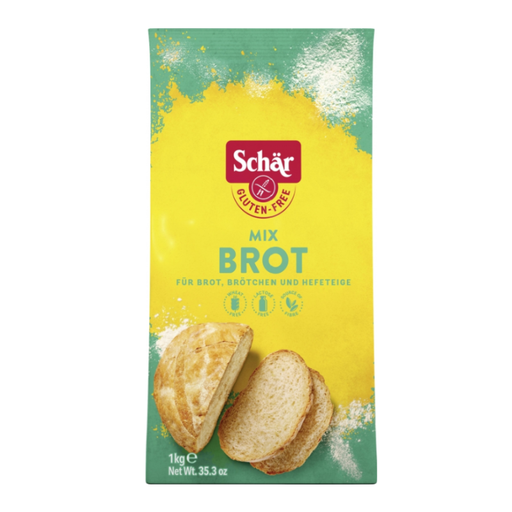
Schär Gluten-Free Bread Baking Mix, 1 kg
For anyone who wants to bake their own supper bread and has the time, an oven, and clean equipment kept separate from ingredients containing gluten. The pack contains 1 kg of bread mix, not ready-to-eat bread; you’ll need additional ingredients to prepare it.
View at Joybuy
Frequently asked questions
Is conventional pumpernickel suitable for people with coeliac disease?
No. The classic pumpernickel described by REWE and EDEKA24 contains whole rye meal, and some products also contain barley ingredients. It isn’t a gluten-free alternative; what matters is the labelling on the specific bread you choose instead.
How can I tell if a bread alternative is gluten-free?
Look for the words ‘gluten-free’ on the product you choose and check the current ingredients and allergen information. A dark colour, seeds or the word ‘wholegrain’ aren’t a substitute for checking.
How can I avoid contact with gluten-containing bread in a shared flat?
Store gluten-free baked goods separately and keep them sealed. The German Coeliac Society recommends storing them separately. When preparing food, it’s also important to use clean work surfaces and knives, and spreads that are free from crumbs containing gluten.
How should I plan a pack of bread for one person?
Choose a quantity that suits the meals you actually plan to use the bread for, and follow the storage instructions once it’s open. For Schär Meisterbäckers Mehrkorn, listed by REWE, the advice is to reseal it and eat it within a few days, or freeze it straight away.


