What to look for when buying
If you have coeliac disease, an explicit gluten-free label comes first. The organic label, ingredients and preparation time can then help you choose a variety that suits your shop.
| Criteria |
What to check when buying |
Who it matters most to |
| Gluten-free label |
An explicit ‘gluten-free’ label on the specific product; for oat rolls, check that the oat variety is labelled too. |
If I’m shopping because I have coeliac disease, I need a clear label rather than making assumptions based on the ingredients. Around 50% of consumers put this at the top of their list when buying. |
| Organic status and ingredients |
Check the organic label separately from the ‘gluten-free’ label. Read the ingredients list and, if you have other allergies, check for precautionary allergen information too. |
When choosing between different varieties, I want to know what they contain and whether the specific product meets organic standards. Around 30% of consumers prioritise ingredients and organic status. |
| Preparation |
Check whether the rolls are ready to eat, need baking or need to be made from scratch, and follow the relevant preparation instructions. |
When I’m short on time in the morning, I don’t want to choose rolls that I have to bake completely from scratch. Preparation time is the main consideration for around 20% of consumers. |
Bread mix at Joybuy
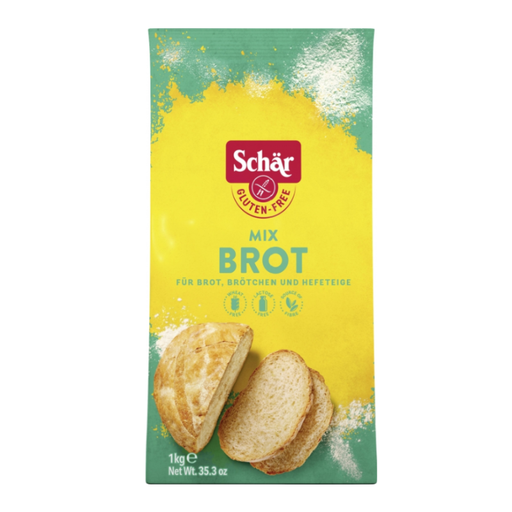
This bread mix is for shoppers who would rather bake their own rolls than buy ready-to-eat ones. If organic status is important to your choice, check the packaging for the relevant label.
 No image available
Schär Gluten-Free Bread Baking Mix, 1 kg
For shoppers looking for a mix labelled gluten-free who have time to prepare and bake it.
1 kg bread mix; not ready-to-eat rolls. If you have other allergies, check the current information on the packaging.
View at Joybuy
Frequently asked questions
Is an organic label enough if you have coeliac disease?
No. An organic label doesn’t replace a ‘gluten-free’ label. According to the Verbraucherzentrale, food labelled ‘gluten-free’ must contain no more than 20 mg of gluten per kg. So check both labels separately if you’re looking for an organic product that’s also gluten-free.
Can people with coeliac disease eat gluten-free oat rolls?
Yes, as long as the specific oat rolls are explicitly labelled ‘gluten-free’. The presence of oats alone isn’t enough to make that decision. Check the other ingredients and any allergen information relevant to you as well.
Are loose rolls with allergen information automatically gluten-free?
No. Allergen information for loose products isn’t the same as a clear gluten-free label. Before choosing rolls for someone with coeliac disease, ask the bakery counter for explicit confirmation that they’re gluten-free, as well as details of the ingredients and how the rolls are handled.
How should I store an opened pack of gluten-free rolls?
Follow the instructions on the specific pack. For the Alnavit Organic Wholegrain Oat Roll, REWE recommends storing it in a cool, dry place and, once opened, keeping it in the fridge and using it within two days. This isn’t a general recommendation for other varieties.


