What should you look for when shopping?
First, check that the specific pack is labelled gluten-free. Then compare suitable options based on other allergens, how you’ll serve them at the snack table, and their ingredients and nutritional information.
| What matters |
What to check when shopping |
Who it matters to |
| Gluten-free labelling |
Does the specific pack say “gluten-free”? Don’t plan to use ordinary rusks containing wheat or barley as a substitute. |
If I’m joining the meeting with coeliac disease, I need to be able to identify the gluten-free option clearly. This is the top priority for around 38% of consumers. |
| Other allergens |
Read the ingredients, highlighted allergens and precautionary allergen statements on the current pack. |
I need to take account of soya, for example, as well as gluten, and don’t want to rely on the gluten-free label alone. This additional check is a priority for around 23% of consumers. |
| Serving at the meeting |
Choose a suitable pack size and keep the ingredient information available in case anyone has questions. |
At a shared snack table, I want to avoid mix-ups and make sure the gluten-free portion is clearly identified. This is the main concern for around 23% of consumers. |
| Ingredients and nutritional information |
For options labelled gluten-free, compare the ingredients and nutritional information per 100 g. |
Once the gluten-free requirement has been met, I want to choose the ingredients and nutritional profile that best suit the refreshments I’m planning. Around 16% of consumers focus on this. |
The German consumer advice centre explains that, under EU rules, foods labelled “gluten-free” must contain no more than 20 mg of gluten per kg. So the label doesn’t mean that no gluten can be detected at all; check the pack details to assess any other allergens.
Gluten-free snack alternatives at Joybuy
These products are labelled gluten-free and offer alternatives for meeting refreshments if crispbread, crackers or ladyfingers would work instead of rusks. None of the three is a rusk; check the current pack labelling and any other allergens before serving.
 No image available
Schär Dark Crispbread, gluten-free crispbread, 125 g
A crispbread option if you don’t specifically need rusks for the meeting.
If anyone has a soya allergy, check the precautionary allergen statements on the current pack.
View at Joybuy
 No image available
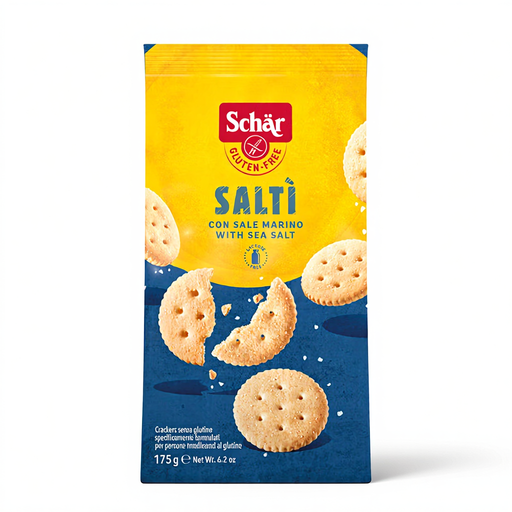
Schär Saltí Salted Crackers, gluten-free, 175 g
A cracker option for the snack table if you don’t need the rusk shape.
If anyone has a soya or lupin allergy, check the ingredients and precautionary allergen statements on the current pack.
View at Joybuy
 No image available
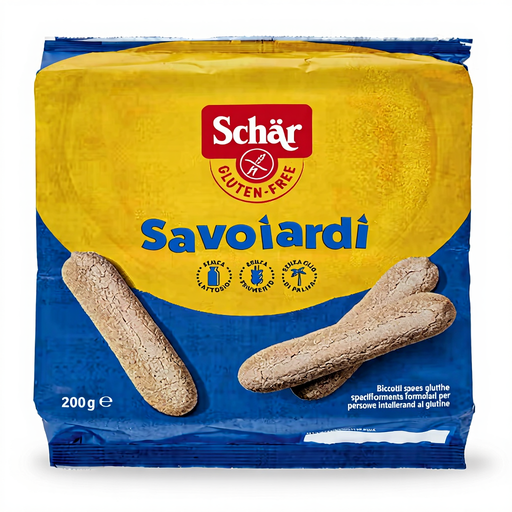
Schär Ladyfingers Biscuits, gluten-free ladyfingers, 200 g
A sweet biscuit option if ladyfingers suit the refreshments you’re planning; they don’t replace rusks in shape or use.
If anyone has an egg allergy, pay particular attention to the ingredients on the current pack.
View at Joybuy
Frequently asked questions
How can I identify gluten-free rusks for a guest with coeliac disease?
Look for the words “gluten-free” on the specific pack and read the ingredients list too. According to the German consumer advice centre, foods labelled this way in the EU must contain no more than 20 mg of gluten per kg. Ordinary rusks aren’t a suitable alternative just because they’re rusks.
Can I serve ordinary rusks alongside the gluten-free option?
If you’re offering both, serve the gluten-free option separately and label it clearly so it’s easy to identify. According to EDEKA, its GUT&GÜNSTIG rusks contain wheat flour and barley malt extract, so they must not be served as the gluten-free option.
Is the gluten-free label enough if someone has other allergies?
No. You’ll need to check the current pack separately for any additional allergens. Schär describes its gluten-free rusks as made without added milk or eggs, but warns that they may contain soya; this doesn’t mean they’re automatically suitable for anyone with an allergy.
How can I keep the ingredient information available during the meeting?
Keep the original pack or have a readable photo of the ingredients and allergen information ready. That way, guests can ask questions about the option actually being served, even after the rusks have been put out.


