If someone with coeliac disease is going to eat from the office biscuit tin, start with rusks explicitly labelled gluten-free; traditional rusks made with wheat or barley are not a suitable substitute. Check the specific product for any additional ingredient or allergen requirements, and keep the tin and serving utensil free from crumbs from gluten-containing snacks. If rusks aren’t essential, another suitably labelled baked snack could also be an option.
Who needs to take care when choosing?
People with coeliac disease in a shared office
For you, it’s important to choose baked goods labelled gluten-free and to serve them without picking up crumbs from gluten-containing products. The German Coeliac Society warns that these crumbs can be a potential source of contamination.
People with additional dietary requirements
As well as gluten-free, you might be looking for a vegan or lactose-free option, for example, or need to check the ingredients and potential traces separately because of an allergy.
People who organise the office supplies
You want to keep baked goods in the communal tin. To do that, it’s important to follow the storage instructions for your chosen product and store it in a clean, dry place, separately from other foods.
What should you look for when buying?
First decide whether it has to be rusks specifically. Another gluten-free baked snack might work in the tin, but it won’t be the same product you’re looking for. If you have coeliac disease, the individual product must be labelled gluten-free; then check any other ingredients and consider how the shared tin will be used.
| Criteria |
What to check |
Who it matters to |
| Gluten and crumbs |
Check that the pack is labelled gluten-free; use a clean tin and a separate serving utensil. |
If I have coeliac disease and eat from a shared tin, I need to make sure my baked goods don’t come into contact with crumbs containing gluten. This is the main concern for around 42% of consumers. |
| Storage |
Compare pack sizes and storage instructions; use a dry tin that seals well. |
Anyone looking after the office supplies will want to keep opened baked goods dry and the product information handy. This is a priority for around 33% of consumers. |
| Other ingredients |
Read the current ingredients list and allergen information; assess claims such as vegan or lactose-free separately from gluten-free. |
If I also need to avoid soya or want a vegan option, a gluten-free label alone isn’t enough. These additional requirements are the most important extra consideration for around 25% of consumers. |
Which common mistakes can you avoid?
-
Assuming traditional rusks are gluten-free
Brandt lists wheat flour and barley malt extract in the branded rusks we checked. Their familiar shape tells you nothing about whether they’re suitable for someone with coeliac disease.
Check the gluten-free label and ingredients list on the specific pack, rather than relying on the word ‘rusks’ when you shop.
-
Mixing gluten-free baked goods with ordinary biscuits
The German Coeliac Society says that even crumbs or contaminated utensils can be a problem for people with coeliac disease.
Use a clean, clearly labelled tin and a clean serving utensil, and don’t add biscuits containing gluten.
-
Assuming gluten-free means free from all allergens
A gluten-free label doesn’t tell you whether a product contains soya, egg or other ingredients that matter to you. For example, the Schär rusks described here carry a warning that they may contain soya.
If you have other allergies, check the ingredients and precautionary allergen information on the current pack separately.
-
Decanting baked goods without keeping the pack information
Once baked goods are in the office tin, information about ingredients, allergens and best-before dates can become separated from the individual items. You should also avoid exposing baked goods that need to be stored dry to moisture.
Use a dry tin that seals well, and keep the packaging and its information somewhere accessible to everyone who uses the tin.
Brands to consider
Schär
Schär sells rusks specifically labelled gluten-free. Any information about other properties applies to the individual product, not to the brand as a whole.
- For the rusks described, Schär says that no soya, eggs or milk are added.
- The same rusks carry a warning that they may contain soya; if you have a soya allergy, check the information on the current pack.
Hammermühle
The range includes a variety of gluten-free baked goods and snacks. This is useful if you’re also considering something other than rusks for the office tin.
- Hammermühle offers gluten-free baked goods and snack categories in its range.
- Check the type of product, gluten-free labelling, ingredients and storage instructions for each item you’re considering.
Brandt
Brandt is a reference point for traditional rusks, not for choosing a gluten-free option based on the branded rusks we checked.
- The branded rusks we checked are clearly distinguishable from biscuits and other types of snack.
- Brandt says these branded rusks contain wheat flour and barley malt extract, so they aren’t a gluten-free alternative for an office tin used by someone with coeliac disease.
Gluten-free alternatives at Joybuy
These three products are labelled gluten-free and are alternatives for the office biscuit tin if rusks aren’t essential: crispbread, salted crackers and sweet sponge fingers. Check the current pack before adding each product to the tin, and keep it separate from crumbs containing gluten.
 No image available
Schär Gluten-Free Dark Crispbread, 125 g
Crispbread labelled gluten-free for the office tin, when an alternative to rusks will do.
If you have a soya allergy, check the current pack for the warning that it may contain soya. Store in an airtight container after opening.
View at Joybuy
 No image available
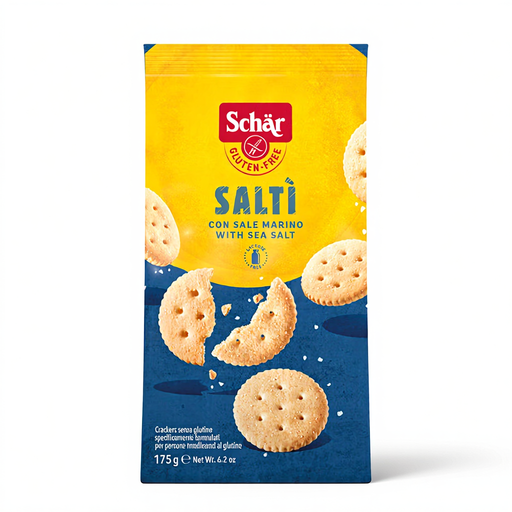
Schär Gluten-Free Saltí Salted Crackers, 175 g
Salted crackers labelled gluten-free for anyone looking for a savoury snack instead of rusks.
The product information available lists soya as an ingredient and warns of possible traces of lupin; check the current pack if you have a relevant allergy. Also follow the storage instructions on the pack after opening.
View at Joybuy
 No image available
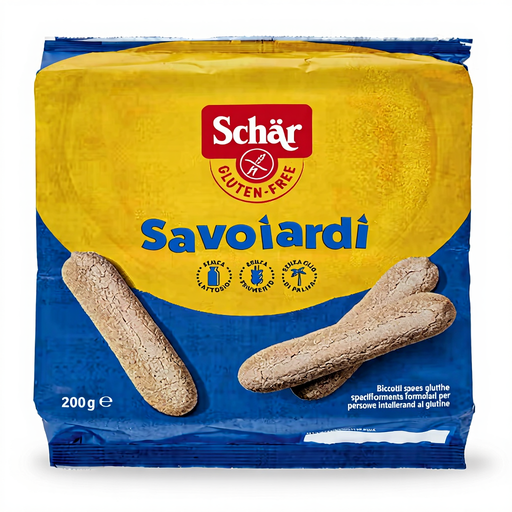
Schär Gluten-Free Ladyfingers Biscuits, 200 g
Ladyfingers labelled gluten-free make a sweet alternative to biscuits for the tin, but they aren’t rusks.
The ingredients list includes egg. If you need an egg-free option, this product isn’t suitable. Store in an airtight container after opening.
View at Joybuy
Frequently asked questions
Does ‘gluten-free’ on rusks mean they contain no gluten at all?
No. Under EU Implementing Regulation (EU) No 828/2014, foods labelled gluten-free may contain no more than 20 mg of gluten per kg. When choosing food for someone with coeliac disease, look for an explicit gluten-free label on the specific product.
Can Brandt traditional branded rusks replace gluten-free rusks?
Not in a tin for someone with coeliac disease: Brandt says the branded rusks we checked contain wheat flour and barley malt extract. Choose a product explicitly labelled gluten-free instead.
How can you keep gluten-free baked goods separate in a shared office tin?
Use a clean, labelled tin and a clean serving utensil, and don’t add baked goods containing gluten. The German Coeliac Society identifies crumbs and contaminated utensils as potential sources of gluten; also follow the storage instructions on the relevant pack.
Is ‘vegan’ or ‘lactose-free’ enough instead of a gluten-free label?
No. These claims refer to other properties of a product. If the tin is for someone with coeliac disease, check that it’s explicitly labelled ‘gluten-free’ and check any additional requirements, such as ingredients and allergens, separately.


