For people with coeliac disease, sliced bread explicitly labelled ‘gluten-free’ is a good starting point for a snack brought from home. However, the German Coeliac Society also warns of possible cross-contamination at Christmas markets. Choose the slice style, ingredients and pack size to suit your planned filling and how soon you can use the bread after opening. If you’d like to use your own bread at a stall, check in advance whether this is possible and how the food is prepared.
Who should take care when choosing?
People with coeliac disease
For a snack brought from home, they need suitably labelled bread that stays protected from cross-contamination until it’s time to eat. The German Coeliac Society advises checking for possible contamination at Christmas market stalls.
People bringing their own sandwich
If you’re making a sandwich before visiting the market, consider the shape of the slices, how you’ll protect the bread in transit and the storage instructions after opening. The storage and use-by guidance varies between the Schär, Schnitzer and Alnavit breads featured by REWE.
People looking for specific ingredients
Organic ingredients or buckwheat may influence your choice. If you also need to avoid particular allergens, check the ingredients and ‘may contain’ information on the specific pack: the varieties from Schär, Schnitzer and Alnavit featured by REWE differ.
What should you look for when buying?
First, check the gluten-free label and plan how you’ll keep the bread protected until you eat it. Then consider the ingredients, slice style and how soon it needs to be used after opening to find the right pack for your trip.
| What matters |
What to check when buying |
Who it matters most to |
| Gluten-free labelling and cross-contamination |
Look for an explicit ‘gluten-free’ label and packaging that keeps the bread separate from foods containing gluten until you eat it. According to the consumer advice centre, EU labelling rules set a maximum of 20 mg of gluten per kg of food; the label does not protect against later cross-contamination. |
If I want to eat at a market stall and have coeliac disease, I need to check how the food is prepared as well as bringing my own bread. For around 36% of consumers, this protection is the main consideration when choosing. |
| Taking it with you and using it after opening |
Compare pack sizes and storage instructions for after opening. The buckwheat slices from Schnitzer and light sliced bread from Alnavit featured by REWE both need to be used within two days of opening. |
For a prepared sandwich, I only want to open as much bread as I can use afterwards; around 29% of consumers put ease of taking it with them and using it up first. |
| Ingredients and other allergens |
Read the current ingredients list and ‘may contain’ information for each variety. For example, REWE lists soya ingredients in Schär Meisterbäckers Classic and Schnitzer Bio Schnitte Buchweizen. |
If I need to avoid ingredients besides gluten or am looking for organic ingredients, the recipe of each individual product is what matters. These ingredient considerations come first for around 21% of consumers. |
| Type of bread and filling |
Decide whether you’d prefer soft slices for a prepared sandwich or a heartier buckwheat slice. Check that the slice shape suits your planned filling. |
I want bread that works with the filling I’ve planned for my snack on the go; for around 14% of consumers, their preferred type of bread is the main factor in their choice. |
What mistakes can you avoid?
-
Assuming ‘gluten-free’ means food is prepared safely at the stall
The label applies to the food in its packaging. The German Coeliac Society also warns of possible cross-contamination at Christmas market stalls.
Keep bread brought from home protected in transit, and ask about ingredients, the grill and cooking utensils before ordering. Also check whether the stall can use your own bread.
-
Overlooking other allergens
Sliced bread labelled gluten-free may contain other allergenic ingredients or carry ‘may contain’ warnings. The varieties from Schär, Schnitzer and Alnavit featured by REWE have different recipes.
Check the current label on each specific pack instead of assuming all varieties from a brand are the same.
-
Opening a pack that’s too large for a single trip
Storage instructions and how soon to use the bread after opening vary by product. REWE gives a two-day limit for both Alnavit Bio Helles Schnittbrot and Schnitzer Bio Schnitte Buchweizen.
Before buying, work out how many slices you’ll take and when you’ll use the rest. Follow the storage instructions on the pack.
Brands to consider
The following brands offer different types of gluten-free sliced bread. Ingredient and storage information relates to the specific products named, not the entire range.
Schär
Schär’s range includes sliced breads in the Meisterbäckers line, such as Classic, Mehrkorn and Vital.
- According to Schär, the range includes several types of sliced bread.
- For Meisterbäckers Classic, REWE lists soya protein and possible traces of lupin and mustard. This information does not apply to other Schär breads.
Schnitzer
Schnitzer offers organic gluten-free breads, including Bio Brot Classic and Bio Schnitte Buchweizen.
- According to REWE, Bio Brot Classic can be eaten as it is or toasted; the buckwheat slices contain buckwheat and sunflower seeds.
- REWE lists soya flour and soya lecithin in the buckwheat slices, which need to be used within two days of opening.
Alnavit
Alnavit Bio Helles Schnittbrot is a light, organic gluten-free option.
- According to REWE, the bread is ready to eat as it is and can also be toasted.
- According to REWE, it should be kept in the fridge after opening and used within two days. The product information lists possible traces of egg, soya, sesame and lupin.
Crispbread alternatives at Joybuy
If you’re considering a crunchy snack instead of soft slices of bread, here are two Schär crispbreads. Crispbread isn’t a substitute for the soft slices of sandwich bread; for your visit to the market, also check the pack’s labelling and make sure it’s protected in transit.
 No image available
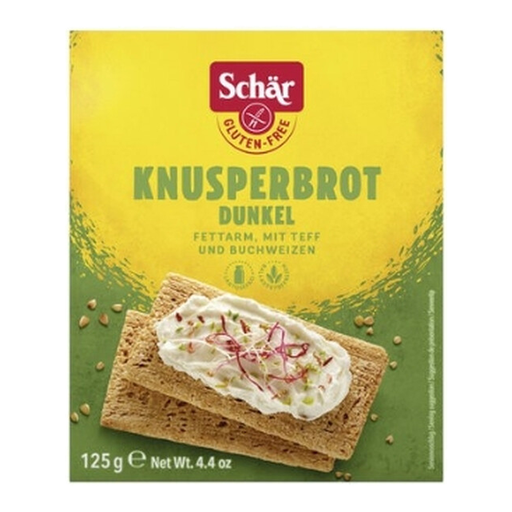
Schär Dark Crispbread, gluten-free, 125 g
A good option if you’d like a crunchy snack instead of soft sandwich slices. The pack contains 125 g of crispbread; before taking it with you, check the gluten-free label, other ingredients and packaging for transport.
View at Joybuy
 No image available
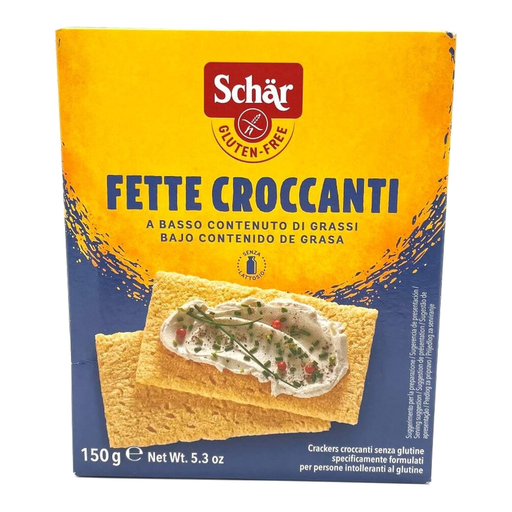
Schär Crispbread, gluten-free, 150 g
Another crispbread option for a crunchy snack, rather than a soft sandwich. The pack contains 150 g; check the current gluten-free label, allergen information and packaging before your trip.
View at Joybuy
Frequently asked questions
Does ‘gluten-free’ mean that sliced bread contains no gluten at all?
No. According to the consumer advice centre, food labelled ‘gluten-free’ in the EU may contain no more than 20 mg of gluten per kg. The label describes the food itself; it doesn’t protect it from cross-contamination during later handling.
Does bringing your own gluten-free bread automatically make food from a Christmas market stall suitable?
No. The German Coeliac Society advises checking for possible contamination at Christmas market stalls. Ask about the ingredients and whether grills or cooking utensils are also used for food containing gluten.
Can I ask a stall to use my own gluten-free bread?
You’ll need to check with the stall in question. The German Coeliac Society recommends asking on the day whether they can use rolls brought from home and sliced in advance; also discuss how the bread will be handled during preparation.
How long can I keep opened gluten-free sliced bread?
Always follow the instructions on the specific pack. For Schär Meisterbäckers Classic, REWE advises resealing the pack and using the bread within a few days, or freezing it straight away. Alnavit Bio Helles Schnittbrot and Schnitzer Bio Schnitte Buchweizen should be refrigerated after opening and used within two days.


