What should you look for when buying?
First, check the gluten-free labelling on the specific packet, then plan how to prepare the waffles without contact with gluten-containing foods. Any other allergies, along with whether you want a soft waffle or a bar, will help you decide what to choose.
| Criteria |
What to check when buying |
Who it matters most to |
| Gluten and cross-contact |
Look for ‘gluten-free’ on the packet; use clean, separate surfaces for toasting and serving. |
If everyone is having breakfast at the same table when someone has coeliac disease, make sure the waffle doesn’t come into contact with bread crumbs after opening either. Around 36 % of consumers put this need first. |
| Other allergens and lactose |
Check for any required lactose-free labelling, as well as the ingredients and allergen advice on the packet. |
If you need to avoid lactose or certain allergens as well as gluten, choose a product that meets these additional requirements. This is the top priority for around 29 % of consumers. |
| Type of breakfast waffle |
Choose between a soft waffle and a wafer bar; check the preparation instructions and whether it suits the toppings you have in mind. |
For breakfast at the table, I want to serve a soft waffle that can be warmed if needed, rather than offer a crunchy bar. Around 21 % of consumers put this preference first. |
| Plant-based and individually portioned alternative |
Check the vegan labelling, product type, ingredients and allergen advice. |
If you want to hand out an individual sweet, plant-based treat, a wafer bar may be easier to portion than a soft waffle. This is the main consideration for around 14 % of consumers. |
Useful brands to consider
When choosing a product, it’s the information for that specific product that matters – not just the brand name.
REWE frei von
REWE describes its gluten-free soft waffles as coming in 100-g packs and also offers a variety labelled both gluten-free and lactose-free.
- According to REWE, the gluten-free soft waffles can be eaten as they are or warmed.
- The lactose-free variety still needs checking for egg, lupin and allergen advice.
Schär
Schär describes its gluten-free Soft Waffles as soft waffles that can be warmed briefly in a toaster.
- According to Schär, the soft waffle is labelled gluten-free.
- If you have any additional allergies, check the listed ingredients and allergen advice carefully.
Poensgen
REWE stocks Poensgen soft waffles in 100-g packs labelled gluten-free.
- Their soft texture makes them suitable for a breakfast with soft waffles.
- According to the product information, the waffles contain whole egg, lupin flour and milk ingredients, among other things; they aren’t suitable for vegans.
Alnavit
REWE describes the Alnavit organic chocolate wafer bar as a gluten-free, vegan alternative in bar form.
- The bar format makes it easy to portion as a sweet addition to breakfast.
- The bar described contains hazelnuts; check for other allergen advice and remember that it’s different from a soft waffle.
Lotus Biscoff
A Biscoff product can’t be assumed to be a gluten-free waffle or a suitable topping just because of its flavour.
- The sandwich biscuit product described by Lotus Biscoff contains wheat and soya, so it isn’t a gluten-free alternative for this breakfast.
Suitable products at Joybuy
This wafer bar could be a handy, individually portioned gluten-free addition to Sunday breakfast. If you’re looking for a soft waffle to serve, choose a product specifically described as a soft waffle.
 No image available
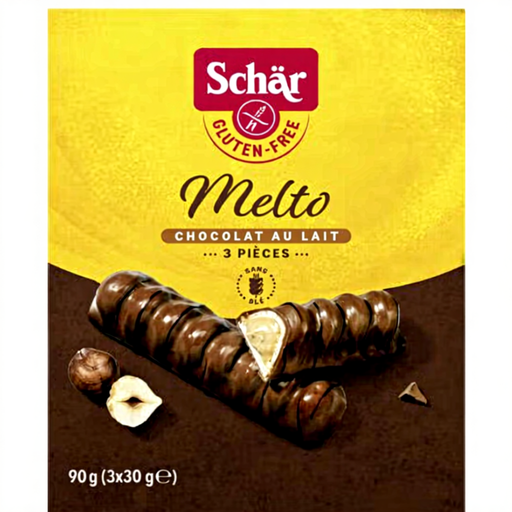
Schär Melto Hazelnut wafer bar, gluten-free, 3x30g
A handy, individually portioned sweet treat, rather than a soft breakfast waffle. The pack contains 3x30g; if you have any additional allergies, check the ingredients and allergen advice on the packet.
View at Joybuy
Frequently asked questions
How can I tell if a waffle is gluten-free for Sunday breakfast?
If you have coeliac disease, look for the words ‘gluten-free’ on the exact packet you’re buying. Commission Implementing Regulation (EU) No 828/2014 sets a maximum gluten content of 20 mg/kg for this claim on food; check the current packet even if you’ve bought the product before.
Can a gluten-free waffle contain wheat starch?
Yes, a waffle labelled gluten-free may list gluten-free wheat starch among its ingredients. If you also have a wheat allergy, its suitability must be assessed separately from the gluten-free claim, based on the ingredients and your individual requirements.
Can I warm gluten-free soft waffles in a shared toaster?
For a strictly gluten-free meal, don’t share a toaster that has crumbs from gluten-containing bread in it. The German Coeliac Society highlights the risk of cross-contamination; use a separate appliance or another clean method of warming, if the packet instructions recommend warming the waffles.
Is a lactose-free soft waffle automatically dairy-free or vegan?
No. ‘Lactose-free’ doesn’t mean ‘dairy-free’ or ‘vegan’. The gluten- and lactose-free soft waffle described by REWE contains egg and lupin and may contain traces of milk; if you have any other allergies, always check the specific packet.
Is Lotus Biscoff suitable as a gluten-free accompaniment?
The sandwich biscuit product described by Lotus Biscoff isn’t suitable, as it contains wheat. Check the labelling of any other toppings or sides individually rather than assuming they’re gluten-free based on the brand name or flavour.


