What should you look for when buying?
First check that the particular waffle is labelled gluten-free, then look for any additional allergens. After that, choose between a soft waffle and a filled wafer snack based on the texture, portion size and nutritional information you’re looking for.
| What matters | What to check | Who it matters to |
|---|
| Gluten-free labelling |
Look for the explicit words ‘gluten-free’ on the current packaging and read the ingredients list. |
If I have coeliac disease, I don’t want to rely on the product name or a recipe made without wheat alone. For around 50 % of consumers, checking this labelling comes first. |
| Other allergens and lactose |
Compare the ingredients, highlighted allergens and may-contain information for each product. |
If I also need to avoid lactose or an allergen, the words ‘gluten-free’ aren’t enough. Around 30 % of consumers say this additional check is their priority. |
| Snack format and nutrition |
Choose a soft or crunchy option; compare sugar and energy per 100 g and, where available, per portion. |
For my afternoon break, it matters whether I’ll be eating the waffle at home or taking a portion with me. For around 20 % of consumers, choosing the format and checking the nutritional information are the main considerations. |
Brands to help you choose
The examples below show different types of waffles and ingredients. The details apply to the specific products mentioned, not to every waffle made by each brand.
REWE frei von
REWE stocks a gluten-free soft waffle and a soft waffle described as gluten- and lactose-free, both in 100-g packs.
- According to REWE, the soft waffles described are ready to eat and can also be toasted.
- The standard gluten-free option contains milk and whey. For the lactose-free option, take particular care to check for egg, lupin and the stated may-contain information.
Schär
The gluten-free wafer snack described by REWE is filled with hazelnut cream and covered in milk chocolate.
- The product page lists three portions per pack.
- The product described contains milk, soya and hazelnuts. If you have additional allergies, check these details for this particular product.
Poensgen
REWE describes a gluten-free Poensgen soft waffle in a 100-g pack.
- The product described is explicitly labelled gluten-free.
- It contains gluten-free wheat starch, as well as egg, lupin, milk and whey. If you have additional dietary restrictions, the ingredients list is key.
Hammermühle
Hammermühle describes gluten-free, crunchy waffles with a range of fillings, including caramel, lemon cream and cocoa hazelnut cream.
- The lemon cream waffles are described as coming in a flat pack that’s convenient for taking on the go.
- Ingredients vary by product. The options described include egg and lupin, soya and milk, or hazelnuts.
Wafer snacks at Joybuy
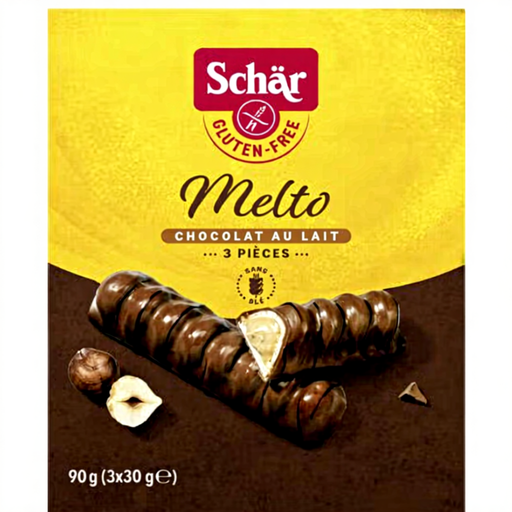
This Schär Melto wafer bar is an option for an afternoon break if you’re looking for a portioned filled-wafer snack. If you have coeliac disease, check that the current pack is labelled gluten-free and read the ingredients.
 No image available
Schär Melto gluten-free hazelnut wafer bars, 3 × 30 g
These bars could be a good choice for a portioned wafer break, provided the current pack is explicitly labelled gluten-free.
The product name states that the pack contains three bars, each weighing 30 g.
If you need to avoid other allergens, check the ingredients and may-contain information on the current pack.
View at Joybuy
Frequently asked questions
Does ‘gluten-free’ on waffles mean they contain absolutely no gluten?
No, the label doesn’t necessarily mean that there is absolutely no gluten present. When choosing a packaged waffle if you have coeliac disease, look for the explicit words ‘gluten-free’ on the finished product and check the current packaging.
Can a gluten-free waffle contain gluten-free wheat starch?
Yes. The gluten-free soft waffles described by REWE and the Poensgen waffle list gluten-free wheat starch. What matters is the gluten-free labelling on the specific pack; if you also have a wheat allergy, you’ll need to take the wheat ingredient into account separately.
Are gluten-free waffles also lactose-free and free from allergens?
No. The standard gluten-free REWE frei von waffle described contains milk and whey, while the Schär wafer snack listed by REWE contains milk, soya and hazelnuts. Even if you choose a lactose-free option, check the ingredients and may-contain information on the current pack.
Do I need to toast gluten-free soft waffles before eating them?
No. The frei von soft waffles described by REWE are ready to eat, but you can also warm or toast them. Follow the instructions on the individual pack.
Is every waffle from a supermarket own brand a gluten-free option?
No. The GUT&GÜNSTIG fresh egg waffle described by EDEKA contains wheat flour. Check the gluten-free labelling and ingredients list for each product instead of assuming you know what it contains based on the brand.


