People with coeliac disease
For them, the priority is the ‘gluten-free’ label on the specific pack sold in Germany. It’s also worth checking the ingredients, other allergens and that the packaging is undamaged.


If you have coeliac disease, when shopping at a health food shop, the key thing is to check that the specific pack sold in Germany is labelled ‘gluten-free’; an organic certification does not replace this. Ready-to-eat waffles and wafer bars need no baking, while a gluten-free organic baking mix lets you choose the other ingredients yourself – but you’ll need time, ingredients and a waffle maker.
For them, the priority is the ‘gluten-free’ label on the specific pack sold in Germany. It’s also worth checking the ingredients, other allergens and that the packaging is undamaged.
A ready-to-eat waffle or wafer bar is a good choice if you don’t have time to prepare something for your break. The finished product determines the ingredients and nutritional values.
A gluten-free organic mix is an option if you want to choose the milk, eggs, sugar or plant-based alternatives for your own recipe and have a waffle maker.
First, check that the specific pack is labelled gluten-free. Then decide whether you want a ready-made waffle to take with you or a mix for baking at home; organic certification and other ingredients are separate considerations.
| Criterion | What to check | Who it matters most to |
|---|---|---|
| Gluten-free labelling | Check the specific pack sold in Germany for a ‘gluten-free’ label, and read the ingredients and precautionary allergen information. Don’t assume that organic certification or a rice or maize ingredient means the product is gluten-free. | If I have coeliac disease, I want to rely on the labelling of the exact pack I’m buying. Around 42% of consumers would consider this clarity their most important buying criterion. |
| Ready-to-eat snack | Check whether the waffle is ready to eat as it is or can be briefly warmed if you prefer, and how many portions the pack contains. | I don’t want to prepare batter for a break when I’m out and about. For around 25% of consumers, a snack that’s ready to eat straight away would come first. |
| Your own recipe | For mixes, check which extra ingredients you’ll need, any precautionary allergen information and whether you can prepare it with the waffle maker you have. | When I bake my own, I want to choose the milk, eggs and sweetness in my recipe. This choice would be the main reason for around 17% of consumers. |
| Organic certification and ingredients | Check the organic certification separately from the gluten-free information, and compare nutritional values per 100 g. | When shopping at a health food shop, I want to understand the organic certification and ingredients of different waffles. This would be the deciding factor for around 16% of consumers. |
Organic certification covers rules for organic production, not gluten content. An organic spelt waffle can still contain gluten.
If you have coeliac disease, first check that the specific pack is labelled ‘gluten-free’, then use the organic certification as an additional way to narrow down your choice.
Gluten-free doesn’t mean free from eggs, milk, nuts or other allergens. Even varieties from the same brand can have different ingredients and precautionary allergen information.
Read the information for each variety again, especially for filled, chocolate-coated or caramel waffles.
A vegan, unsweetened baking mix won’t automatically make a vegan or unsweetened waffle. The ingredients you add will also determine the finished recipe.
Before buying, check the recipe you plan to make and make sure you have the ingredients and a waffle maker you’ll need.
This gluten-free organic waffle and pancake mix is for people who want to make their own waffles.
The brand offers ready-to-eat Belgian waffles and caramel waffles labelled organic and gluten-free.
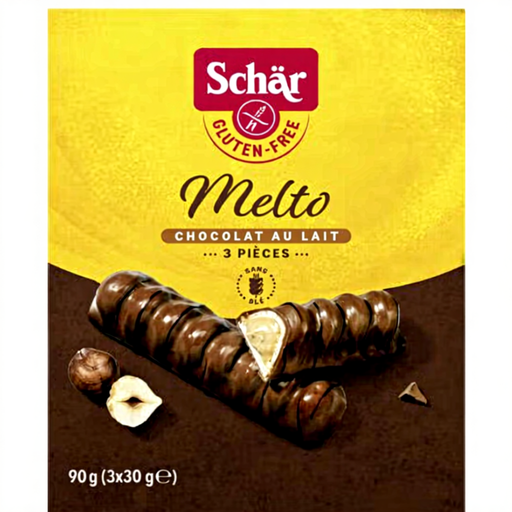
The chocolate wafer bar is an option for a snack that needs no baking.
Schnitzer is a brand of gluten-free organic baked goods and sweet treats; this doesn’t tell you anything about the properties of a specific waffle.
This wafer bar is an option for a snack that needs no baking. If gluten-free or organic labelling is important to your choice, check the information on the specific pack sold in Germany.
 No image available
A wafer bar for a snack that needs no baking; the pack contains three bars of 30 g each.
If you have coeliac disease, check that the specific pack sold in Germany is labelled ‘gluten-free’. If you have other allergies, read the ingredients and precautionary allergen information; if organic certification matters to you, check for that too.
Look for ‘gluten-free’ on the specific pack, and also read the ingredients and information about other allergens. Under EU Commission Implementing Regulation No 828/2014, the claim may only be used for food sold to end consumers if it contains no more than 20 mg/kg of gluten. The German Coeliac Society notes that products with the same name can have different ingredients in other markets.
No. The EU organic logo and the German organic seal relate to organic production rules, not gluten-free labelling. Check each claim separately on the product itself.
Yes. The manufacturer describes the mix itself as vegan and says it can be made with plant-based ingredients. The recipe you choose determines whether the finished waffle is vegan: the classic recipe calls for milk, eggs and butter.
Yes. A gluten-free claim doesn’t replace checking for other allergens. The manufacturer says Hammermühle’s Belgian waffles contain egg and skimmed milk powder and may contain traces of sesame; possible traces of soya, milk, sesame and nuts are listed for the caramel waffles. Always check the pack for the specific variety you’ve chosen.
Follow the storage instructions on the pack you’ve bought. For the Hammermühle waffles mentioned above, the manufacturer recommends keeping them in their packaging in a dry place away from heat, until the best-before date.