What should you look for when buying?
If you have coeliac disease, first check the current gluten-free labelling, then look for any other allergens that may be relevant to you. Once you’ve found products that are suitable, you can choose based on texture, type of chocolate and any other dietary requirements.
| Criterion | What to check | Especially important for |
|---|
| Gluten-free labelling |
Check that the current packaging says ‘gluten-free’, and compare the online information with the pack you receive. Under EU Implementing Regulation No. 828/2014, food can only be labelled ‘gluten-free’ when sold to consumers if it contains no more than 20 mg/kg of gluten. |
If I have coeliac disease, a familiar brand name or the words ‘wheat-free’ aren’t enough for me to make a choice. This is the top priority for around 36% of consumers. |
| Other allergens |
Read the ingredients and allergen warnings for each variety; don’t assume ‘lactose-free’ means ‘dairy-free’. |
If I have an additional allergy, I want to know whether milk, egg, soya or tree nuts, for example, matter when choosing a product. Around 29% of consumers focus on these other allergens first. |
| Texture and type of chocolate |
Choose between a chocolate biscuit, a filled sandwich biscuit and a softer bake; check the type of chocolate and filling in the product information. |
With my coffee, I’d rather have something crunchy than a soft bake – or the other way round – as long as the variety is suitable for me. This preference is the deciding factor for around 21% of consumers. |
| Additional features |
Check claims such as ‘lactose-free’ and ‘organic’ separately; if a product contains oats, take your individual tolerance into account. |
If I’m also looking for a lactose-free, organic or oat-based option, that feature becomes my deciding filter. Around 14% of consumers focus on this. |
Chocolate biscuits and a wafer alternative at Joybuy
Choose a chocolate biscuit with chocolate chips, or try a hazelnut wafer bar for a different type of bake. Both product names include ‘gluten-free’; if you have coeliac disease, always rely on the information on the packaging you receive.
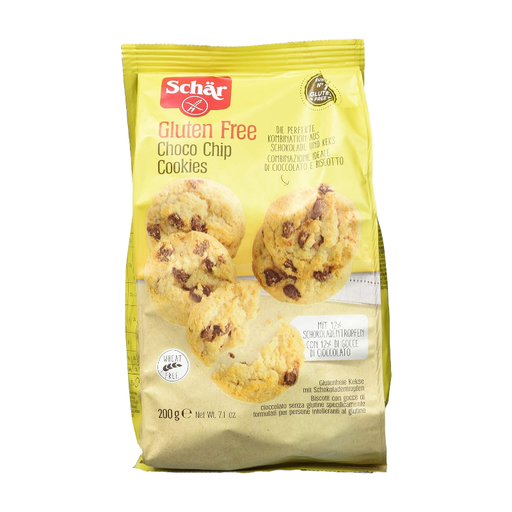 Image unavailable
Schär Gluten-Free Chocolate Chip Cookies, 200 g
A chocolate biscuit option if you prefer chocolate chips to a cream filling with your coffee.
Before eating, check the gluten-free labelling and egg information on the current packaging.
View at Joybuy
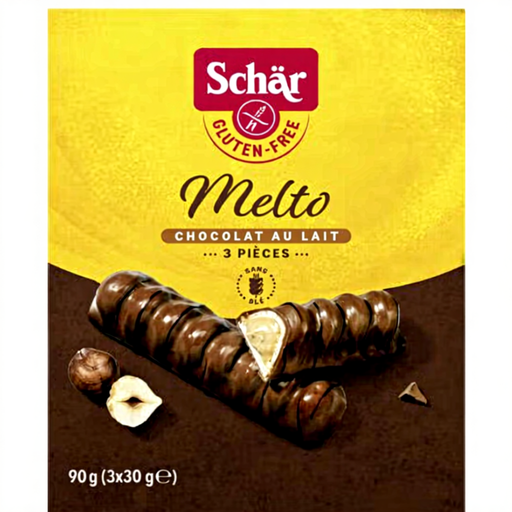 Image unavailable
Schär Gluten-Free Melto Hazelnut Wafer Bars, 3 × 30 g
A wafer bar alternative to a chocolate biscuit if you fancy a different type of treat with your coffee.
Pack size: 3 × 30 g. Check the current packaging for gluten-free labelling, as well as information about hazelnuts, milk, soya and possible traces of other nuts.
View at Joybuy
Frequently asked questions
Is ‘wheat-free’ enough if you have coeliac disease?
No, ‘wheat-free’ is no substitute for ‘gluten-free’ labelling. Under EU Implementing Regulation No. 828/2014, food sold to consumers can only be labelled ‘gluten-free’ if it contains no more than 20 mg/kg of gluten. Check the information on the current packaging.
Do I need to check for other allergens in gluten-free chocolate biscuits?
Yes. Gluten-free labelling doesn’t tell you whether a product contains milk, egg, soya, lupins or tree nuts. The varieties described contain different ingredients and carry different allergen warnings, so check the packaging for the specific variety.
Is a gluten-free chocolate biscuit containing oats always suitable for someone with coeliac disease?
No, the suitability of oat-based varieties needs to be assessed on an individual basis. For Hammer-Mühle Bio Simply Seeds Kekse Schoko, the supplier notes that people with coeliac disease may tolerate gluten-free oats differently. Take your medical advice into account.
How should I serve gluten-free biscuits at a shared coffee break?
Serve unwrapped gluten-free biscuits separately from gluten-containing bakes, and use clean utensils. The German Coeliac Society notes that avoiding cross-contamination at home is part of everyday life on a gluten-free diet.


