
Lieferung heute & morgen

Qualitätsgarantie

Willkommens-Angebote freischalten: KOSTENLOSE Lieferung | Bis zu 80 % RABATT | Kostenlose 30-Tage-JoyPlus-Testphase
App herunterladen
By Joybuy Product Recommendation Officer, August 28, 2026
Glutinous rice, also known as sticky rice or sweet rice, is the foundation of many authentic Asian dishes, from savoury side dishes to popular desserts like Mango Sticky Rice. However, when it comes to buying it, many home cooks and restaurateurs face a bewildering array of options. Making the wrong choice often leads to disappointing culinary results and unnecessary expenses. This guide will help you avoid the most common pitfalls and find the perfect glutinous rice for your needs.
A common mistake is assuming that all "sticky rice" is the same. Products like sushi rice or risotto rice, while having a certain stickiness, are botanically and texturally fundamentally different from true glutinous rice. Their starch composition is not suitable for dishes that require the unique, chewy, and soft consistency of glutinous rice.
Another issue is choosing the wrong variety for the intended recipe. Not every glutinous rice is equally suited for every dish. Furthermore, buying the wrong package size can lead to food waste as the rice loses its freshness, or result in unnecessarily high costs from repeatedly buying small quantities.
To make an informed decision, three core parameters are crucial. Understanding them will protect you from making the wrong purchase and guarantee authentic results in your kitchen.
The colour and grain length of the rice determine its flavour, texture, and use.
As a general rule: Short-grain glutinous rice tends to be stickier and softer, making it ideal for desserts and rice cakes. Long-grain glutinous rice retains a bit more structure and is preferred in some regions for savoury dishes.
The unique texture of glutinous rice lies in its starch composition. Rice starch is made up of two molecules: amylose and amylopectin.
True glutinous rice (Oryza sativa var. glutinosa) is distinguished by an extremely high amylopectin content (nearly 100%) and an almost non-existent amylose content. This is precisely what sets it apart from all other rice varieties and makes it indispensable for certain recipes.
The decision between a 1 kg bag and a 10 kg sack depends on your consumption.
Here are some recommendations tailored to specific user profiles, taking the above criteria into account.
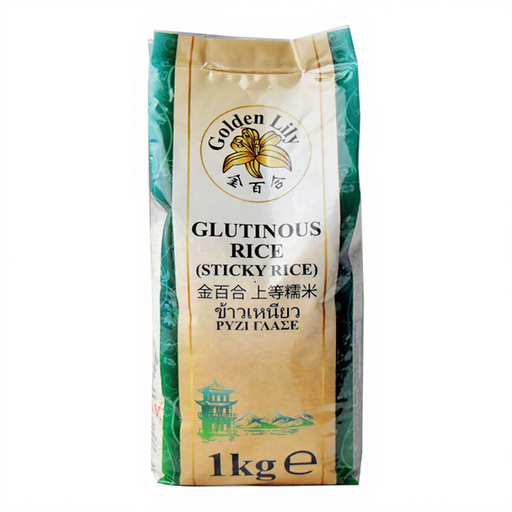
Why This Fits Their Persona: This 1kg package is ideal for learning how to prepare glutinous rice or for occasionally making an authentic dish like Mango Sticky Rice without committing to a large quantity.
The manageable size prevents a large supply from losing quality or spoiling with infrequent use. You only buy what you will consume in the foreseeable future.
A versatile, white short-grain glutinous rice. The moisture-resistant packaging ensures the grains stay fresh.
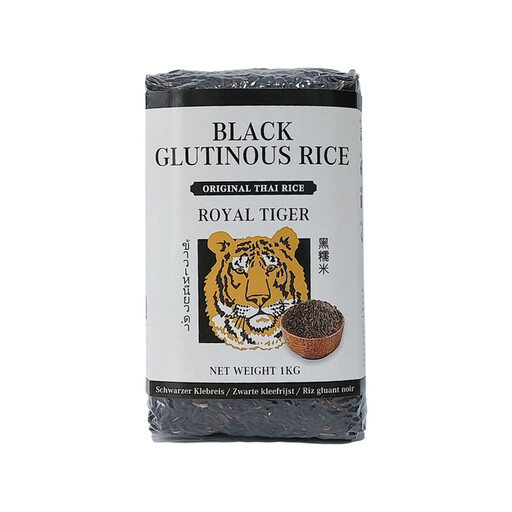
Why This Fits Their Persona: Perfect for chefs who specifically want to prepare traditional Asian desserts like black rice pudding and value the characteristic nutty flavour and special texture.
Ensures you use the correct rice variety for special recipes, instead of trying to substitute with white glutinous rice, which would lead to an inauthentic result.
Whole-grain rice with a nutty flavour and high fibre content. According to the manufacturer, it is a source of vitamins and fibre.
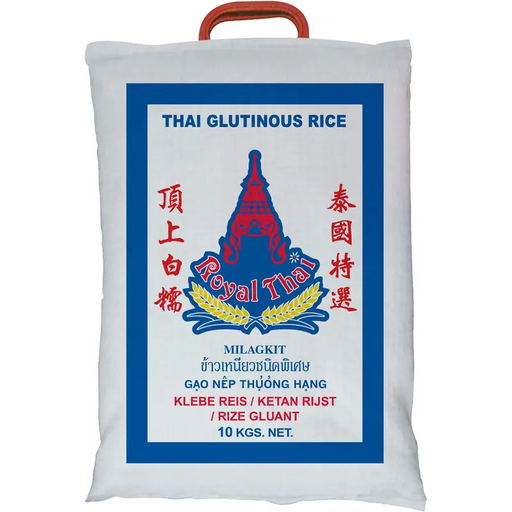
Why This Fits Their Persona: This bulk package offers excellent value for money for anyone with high consumption, whether in the food service industry or in a large household where Asian cuisine is a regular feature.
Significantly lowers the cost per meal by avoiding the more expensive purchase of many small packages. The airtight packaging ensures quality with proper storage.
High stickiness, ideal for a wide variety of dishes. The Royal Thai brand is known for its consistent quality.
We have compiled a complete, up-to-date list of products that fully meet these strict selection criteria.
Yes, soaking is a crucial step. Unlike regular long-grain rice, soaking allows the hard rice grains to absorb moisture, ensuring they become evenly soft and translucent when cooked. Without soaking, the core often remains hard. A soaking time of at least 4–6 hours, or ideally overnight, is recommended.
Yes, this is possible, although steaming is considered the traditional and often preferred method for achieving the ideal texture. If you use a rice cooker, first rinse the rice and drain the soaked rice well. Then, add it to the rice cooker with water in a 1:1 ratio and use the standard setting for white rice. Let the rice rest for about 10 minutes after cooking.
Although both types of rice are sticky after cooking, they are not interchangeable. The main difference lies in the variety and starch composition. Glutinous rice (Oryza sativa var. glutinosa) contains almost exclusively amylopectin, which makes it extremely sticky and chewy. Sushi rice (a Japonica variety) has a more balanced ratio of amylopectin and amylose. It sticks together enough to hold its shape but maintains a softer, less chewy texture. Glutinous rice would be far too sticky and mushy for sushi.