
Lieferung heute & morgen

Qualitätsgarantie

Willkommens-Angebote freischalten: KOSTENLOSE Lieferung | Bis zu 80 % RABATT | Kostenlose 30-Tage-JoyPlus-Testphase
App herunterladen
Anyone who wants to create authentic Asian desserts like mochi, rice cakes, or sweet dumplings often faces a crucial question: which flour is the right one? The uniquely chewy yet soft texture that defines these specialities cannot be achieved with ordinary wheat or rice flour. The secret lies in one special ingredient: glutinous rice flour.
This guide is designed to help you navigate the options. We'll explain the key characteristics of high-quality glutinous rice flour and present a selection of products suited for various culinary projects. This will empower you to make an informed decision and find the perfect product for your recipes.
Choosing the right glutinous rice flour, also known as mochi flour or sweet rice flour, depends on a few key criteria. Here are three points to guide your decision.
The name "glutinous rice" is a bit misleading, as it contains no gluten. The term refers to the rice's property of developing a sticky, glue-like consistency when cooked. This is due to the high amylopectin content of the rice variety used (Oryza sativa var. glutinosa). Ensure the product is explicitly labelled as "Glutinous Rice Flour." Regular rice flour does not have this quality. Products from countries like Thailand or Vietnam, such as Thai glutinous rice flour, are often considered the gold standard for traditional recipes.
For preparing the delicate doughs needed for mochi or dumplings, a very fine grind is crucial. A finely milled flour dissolves more easily in liquid, resulting in a smooth, supple dough without lumps. The product description often provides information on the fineness of the flour. A high-quality rice flour for mochi should have a powdery consistency.
Ideally, glutinous rice flour should contain only one ingredient: 100% glutinous rice. Products without additives, bleaching agents, or preservatives offer the purest flavour. Although it is a gluten-free rice flour, individuals with celiac disease or severe gluten intolerance should check the label for warnings about potential cross-contamination if the flour is processed in facilities that also handle wheat.
Based on the criteria above, we have curated a selection of products perfect for creating authentic Asian dishes.
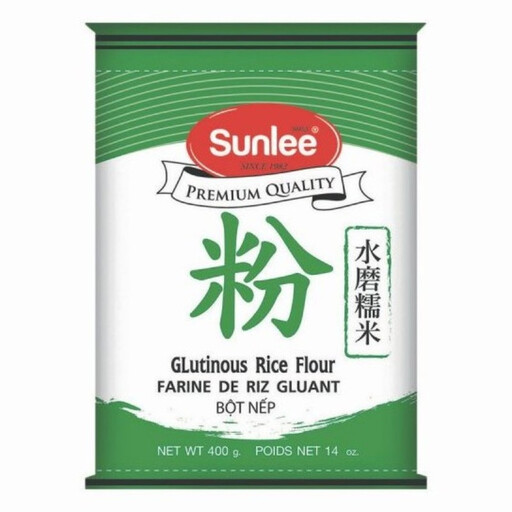
Why It Stands Out: This glutinous rice flour from Thailand is made from high-quality glutinous rice and is known for its fine, smooth texture. It's a versatile Asian rice flour suitable for both sweet and savoury dishes, delivering consistent results.
Pros:
Who It's For: Home cooks looking for a reliable, all-purpose product for a variety of Asian desserts like mochi, rice cakes, and dumplings. It's also an excellent choice as a gluten-free thickener for sauces.
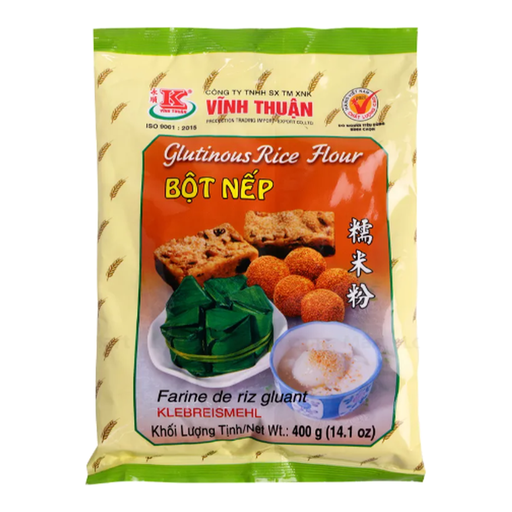
Why It Stands Out: This flour comes from Vietnam and is made from 100% natural glutinous rice without bleaching agents or artificial additives. It is specifically designed to create the perfect chewy and soft texture for traditional Vietnamese specialities like chè tr?i n??c (sweet soup dumplings).
Pros:
Who It's For: For enthusiasts of Vietnamese cuisine who want to prepare authentic dishes with the characteristic texture. It's also a great option for anyone who prefers a pure and unadulterated sweet rice flour.
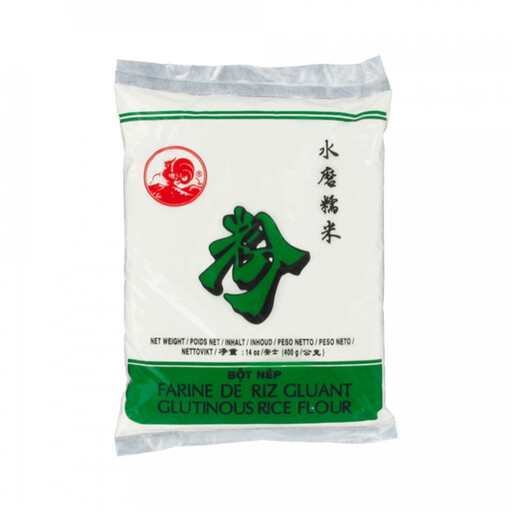
Why It Stands Out: The Cock Brand is a staple in many Asian households. This Thai glutinous rice flour is also finely milled and delivers reliable quality for classic Thai desserts. According to the manufacturer, the product is free from allergens.
Pros:
Who It's For: For anyone seeking a tried-and-true product for preparing Thai and other Asian sweets. It's a solid choice for beginners and experienced cooks alike who value consistency.
The world of flour is diverse, offering the right foundation for every baking and cooking project. If you'd like to explore other speciality flours besides glutinous rice flour or simply browse a wider selection, you can find more products in our category.
? Discover our entire range of flour here
The main difference lies in the type of rice used. Glutinous rice flour is made from sweet rice (also called glutinous rice), which has a very high content of amylopectin starch. When heated with water, it develops a sticky, elastic, and chewy texture. Regular rice flour is made from long-grain or medium-grain rice and has a higher amylose content. It produces a more crumbly, non-sticky texture and is therefore not suitable for dishes like mochi.
Yes, glutinous rice flour is naturally 100% gluten-free. The name "glutinous" refers only to the glue-like consistency of the cooked flour and has nothing to do with the protein gluten found in wheat, rye, or barley. It is an excellent ingredient for gluten-free cooking.
Glutinous rice flour is the foundation for many popular Asian dishes. These include: