
Lieferung heute & morgen

Qualitätsgarantie

Willkommens-Angebote freischalten: KOSTENLOSE Lieferung | Bis zu 80 % RABATT | Kostenlose 30-Tage-JoyPlus-Testphase
App herunterladen
A glycolic acid face peel can help loosen dead skin cells and leave your skin looking smoother. However, glycolic acid isn’t an ingredient every skin type can tolerate daily or at high concentrations. If you focus only on claims such as “glow”, “anti-ageing” or “refined pores”, you can easily overlook important product details.
A higher concentration doesn’t automatically mean a peel is better suited to your skin type. The pH, product texture, leave-on time, frequency of use and other acids in the formula all matter too. A product containing several exfoliating ingredients may be more challenging for sensitive or inexperienced skin than a simply formulated AHA face peel.
A face wash is rinsed off, while a toner or serum usually stays on your skin. These different product types determine how long the acids are in contact with your skin. So you shouldn’t judge a chemical face peel by its active ingredient alone. Always check whether the product needs rinsing off and how often the manufacturer recommends using it.
Even a product described as suitable for all skin types may contain fragrance, alcohol, several acids or potentially irritating plant extracts. If you have sensitive skin, visible redness or a weakened skin barrier, starting gradually with a gentle face peel is usually a more considered approach than diving straight in with an intensive product.
Glycolic acid belongs to the alpha hydroxy acid (AHA) family. It works mainly on the skin’s surface. In the INCI list, it appears as “Glycolic Acid”. The exact percentage isn’t disclosed for every product. If it’s not stated, don’t try to infer the concentration from marketing claims.
A glycolic acid serum is typically suited to people who want to add a targeted leave-on product to their evening routine. If you’re just starting out, a lower frequency of use or clear instructions on how often to apply it can make it easier to manage. If you have oily skin or blemishes, it’s also worth checking whether the formula contains salicylic acid, or BHA. AHAs and BHAs work in different ways, though, so don’t combine them until your skin has had time to adjust.
If you’re using a leave-on product, start with a low frequency, such as once or twice a week, unless the product instructions say otherwise. Daily use isn’t automatically necessary. A face wash is only in contact with your skin for a short time, while an overnight peel stays on for longer.
In particular, remember to:
AHAs can make your skin more sensitive to the sun. That’s why your routine should include broad-spectrum sun protection during the day, as well as limiting direct exposure to UV rays wherever possible. After peeling, a gentle cleanse and a simple moisturiser are often a better choice than adding lots of other active ingredients.
If you’re looking for a peel for pigmentation, a peel for acne scars or an anti-ageing peel, keep your expectations realistic. Cosmetics may help improve the appearance of skin texture, dullness or uneven-looking skin, but they’re no substitute for a dermatological diagnosis or treatment.
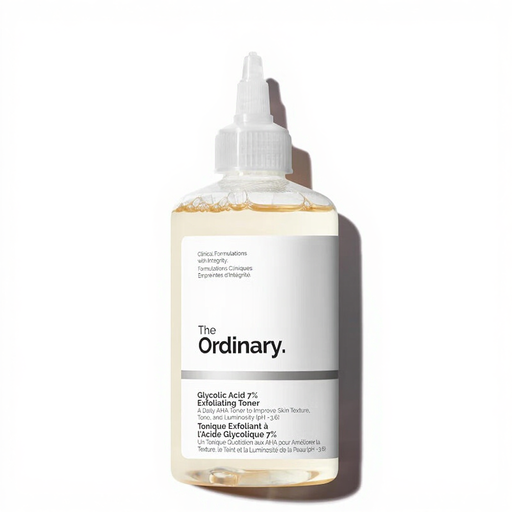
Why this product suits this profile: The stated 7% concentration makes it easier to compare products and plan a gradual evening routine. This product is used as a toner and stays on the skin.
The percentage is clearly stated. Even so, you shouldn’t automatically use it every day; a patch test and sun protection are still recommended.
7% glycolic acid; the product description also mentions Tasmanian pepperberry, aloe vera and ginseng.
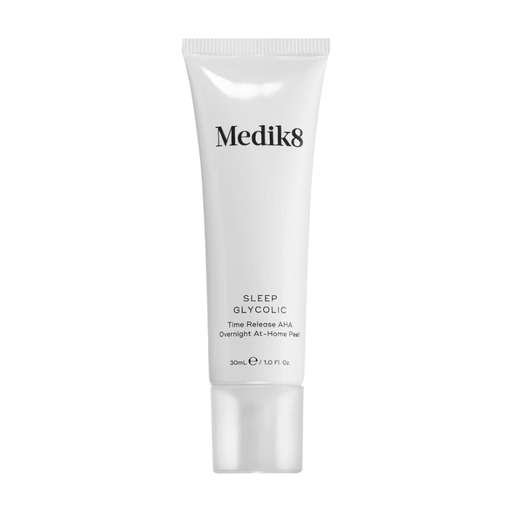
Why this product suits this profile: This overnight peel is designed to be used twice a week, after cleansing.
The limited frequency helps reduce the risk of using a leave-on peel too often out of habit.
Glycolic acid, which is gradually released according to the product description. The directions say not to rinse it off.
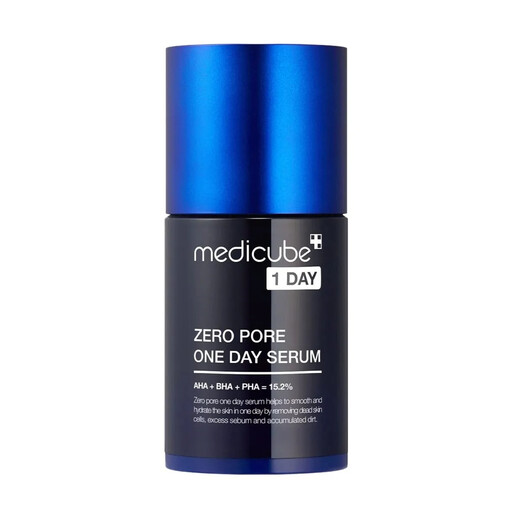
Why this product suits this profile: The formula combines gluconolactone, salicylic acid and glycolic acid with niacinamide, making it an interesting option if you’d like to address several skincare concerns with one serum.
The full INCI list shows that the formula contains several exfoliating ingredients. This makes it easier to adjust the rest of your routine accordingly.
According to the product information, it contains glycolic acid, salicylic acid, lactic acid and gluconolactone. Several forms of hyaluronic acid are also listed.
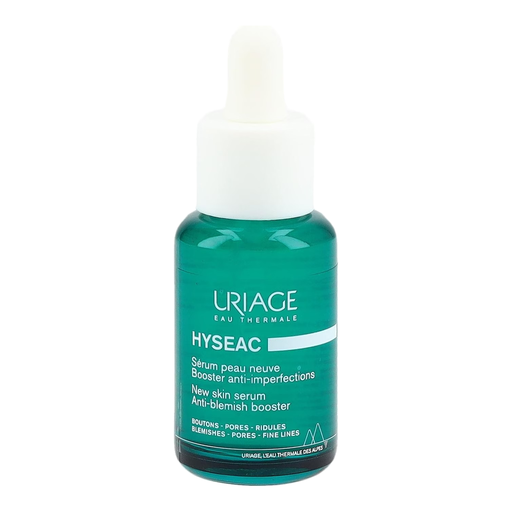
Why this product suits this profile: This serum is described as suitable for combination and oily skin, and contains AHA acids as well as zinc lactate.
Its focus on oilier skin is clearer than a general “glow” claim. If you have sensitive skin, bear in mind that it contains alcohol and fragrance.
According to the product information, it contains AHA acids, zinc lactate and madecassoside. The product is described as suitable for use in the morning and evening.
We’ve put together a complete, regularly updated list of products that meet these strict selection criteria and fully comply with the safety regulations in force in the EU.
It depends on the concentration, product type and how well your skin tolerates it. You can start by using a leave-on product once or twice a week. For a face wash, follow the manufacturer’s instructions, as it’s rinsed off. If you experience stinging, redness or tightness, stop using it for a while.
Yes, glycolic acid can be added to an oily-skin routine as a surface exfoliant. If your pores look congested, BHA may also be worth considering. However, don’t use both acids at the same time until your skin has had a chance to adjust. If you have persistent or inflamed skin problems, it’s a good idea to consult a dermatologist.
Check the best-before date and the PAO symbol on the packaging, such as “12M” for twelve months after opening. Close the product after each use and store it somewhere cool and dry, away from direct sunlight. If the colour, smell or consistency changes, stop using the product.