
Lieferung heute & morgen

Qualitätsgarantie

Willkommens-Angebote freischalten: KOSTENLOSE Lieferung | Bis zu 80 % RABATT | Kostenlose 30-Tage-JoyPlus-Testphase
App herunterladen
A gold metal wall mirror can add visual structure to a hallway, living room or entrance area while serving as an elegant home accessory. To ensure a decorative idea does not turn into an expensive mistake, buyers should not choose based solely on the frame colour or product photo. Important factors include the actual dimensions, material specifications, mounting method and consistency between the product name and description.
The following advice will help you assess a gold wall mirror objectively and choose a model that suits your room.
Gold-coloured mirrors often look larger or more striking in photos than they actually are on the wall. Particularly with a narrow rectangular wall mirror, you should compare the height, width and depth with the intended wall space before buying.
For example, a model measuring 39 x 95 cm is more suitable for narrow sections of wall, hallways or positioning beside a chest of drawers. On a wide living-room wall, however, it can be deliberately used as a vertical statement piece or combined with other decorative elements.
The term metal initially says little about the specific construction. Buyers should check whether the frame is made from iron, steel or a metal alloy, and whether a painted, coated or tinted finish is specified. With gold-coloured products, this is generally a surface colour rather than real gold.
For care purposes, it is also important to know whether the coating is sensitive to moisture, abrasive products or harsh cleaning agents. A soft cloth and mild cleaning product are usually the obvious choice for metal and glass surfaces, unless the manufacturer’s instructions state otherwise.
A decorative wall mirror must be securely fixed to the wall. Key considerations include:
The mounting hardware supplied is not automatically suitable for every UK wall. Before installation, you should therefore check that the fixings are compatible with the wall construction.
A metal wall mirror should suit your furniture and available movement space. In a hallway, slim, portrait-format models are practical because they take up little wall width. In a living room, a round mirror can be placed above a sideboard, or a longer format beside a window.
With a mirror measuring 39 x 95 cm, you should also allow for the frame. The overall dimensions may differ from those of the mirror surface alone. A scale drawing or an area marked out on the wall with masking tape can help you judge the effect before buying.
A gold metal wall mirror can create different effects depending on its finish:
In addition to the frame material, the description should also specify the mirror glass. Information about the shape, depth and weight makes installation planning easier. If these details are missing, it is worth asking the retailer for clarification.
A wall mirror in the bathroom or directly beside an outside door that is frequently opened is exposed to greater fluctuations in humidity than a model in the living room. With coated metal frames, water should not be allowed to remain on the surface for extended periods. Abrasive products can damage both the frame and the glass.
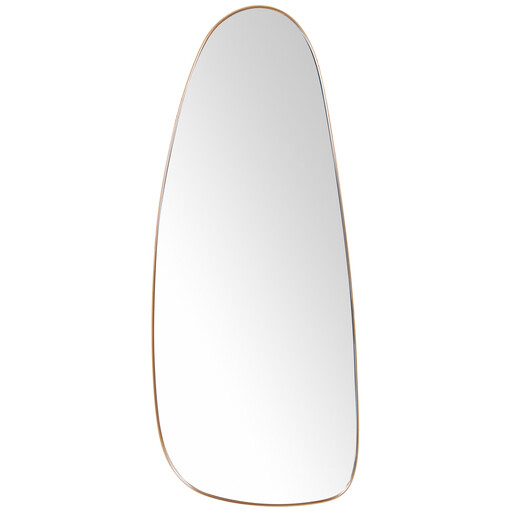
Why this product suits this profile: The portrait format measuring 39 x 95 cm is easy to plan for narrow wall spaces in a hallway, entrance area or beside a chest of drawers. The gold-coloured metal finish adds a clear decorative accent.
The dimensions are clearly stated in the product name. However, the description provided contains conflicting information about a bistro table. Before buying, you should therefore check the material, weight, mounting method and contents once again on the product page.
Portrait format measuring 39 x 95 cm; gold-coloured metal finish according to the product name.
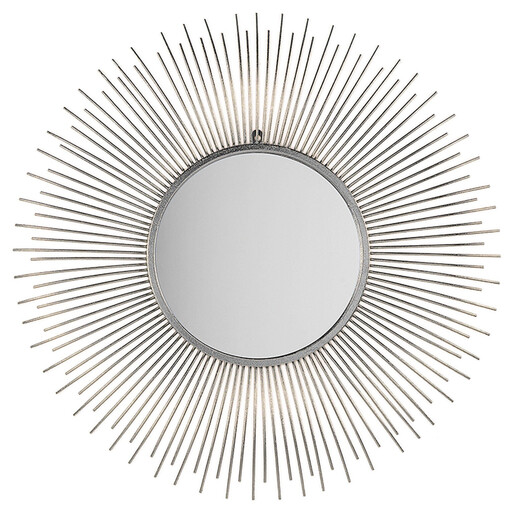
Why this product suits this profile: The round format, with a diameter of 80 cm, works well as a striking standalone piece above a sideboard or in a living room. Its silver-coloured finish makes it an alternative to a classic gold wall mirror.
The diameter, depth and weight of 4 kg are specified. This makes it easier to choose suitable wall fixings and prevents the actual size from being judged solely from the product photo.
Round shape with an 80 cm diameter; rear mounting according to the product information; iron frame and glass specified.
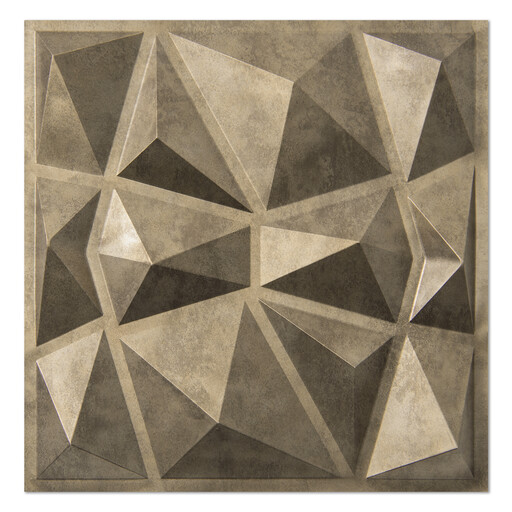
Why this product suits this profile: This product is not a mirror, but a wall feature with a 3D diamond pattern. It is suitable for buyers planning a gold-coloured feature wall behind a mirror or on a separate wall.
The product type is clearly identified as a wall panel. This helps prevent a decorative surface from being confused with a functional mirror.
Pack of 33 panels; individual panels measuring 30 x 30 cm; Antique Gold colour and geometric texture according to the product information.
Before drilling, mark the position using a spirit level. For a hallway mirror, choose a location where no door can hit the frame. In a living room, the mirror surface should also not face directly towards a strong light source if reflections could be distracting.
In many cases, a soft, lint-free cloth and mild cleaning product are all that is needed. Any damp areas should then be dried. Abrasive sponges, harsh acids and alkaline cleaners can damage a coated metal surface or the glass.
A modern wall mirror should also be checked regularly for loose fixings. If you notice visible cracks in the glass, bent mounting points or an unstable wall bracket, stop using the product until the cause has been identified.
We have put together a complete, regularly updated list of products that fully meet these strict selection criteria and the safety regulations applicable in the EU.
For narrow hallways, portrait-format models with a limited width are often easier to integrate. A wall mirror measuring 39 x 95 cm, for example, can be placed beside a coat rack or on a short section of wall. Before buying, check door movement and the available wall width.
The mounting hardware must be suitable for the wall type and the mirror’s weight. Concrete and brick walls require different wall plugs from plasterboard walls. The mounting points should be installed in several places or according to the manufacturer’s instructions. If you are unsure, professional installation assistance may be advisable.
Durability depends on the coating, location, care and mechanical stress. Dry indoor spaces are less demanding for many metal frames than humid areas. Avoiding water, abrasive products and hard knocks reduces the risk of scratches, stains and colour changes.