
Lieferung heute & morgen

Qualitätsgarantie

Willkommens-Angebote freischalten: KOSTENLOSE Lieferung | Bis zu 80 % RABATT | Kostenlose 30-Tage-JoyPlus-Testphase
App herunterladen
As a Joybuy Product Recommendation Officer, I see the daily challenges that professional users and ambitious DIY enthusiasts face during renovation projects. One of the most common sources of error in painting is choosing the wrong masking tape. The results: messy paint edges, paint bleed, or adhesive residue on freshly painted or delicate surfaces.
This article serves as a practical guide. It explains the key features of a high-quality painter's tape and presents a selection of products designed for precise results in various applications. The goal is to provide you with an informed basis for making a decision on your next project.
The selection of the right tape depends on several factors. Three criteria are particularly crucial for a professional result.
A critical factor for a tape for sharp edges is its material. While conventional crepe painter's tape is sufficient for simple masking jobs, so-called Washi painter's tape offers significant advantages. This specialty paper, originating from Japan, is extremely thin yet very tear-resistant and dense. This allows it to lie particularly flat against the surface, effectively preventing paint from bleeding under the tape. The result is the kind of razor-sharp, clean paint lines expected in a professional setting.
If you are planning to paint facades, windows, or other surfaces exposed to sunlight, a painter's tape with UV resistance is essential. Standard tapes can change their properties under sun exposure. The adhesive can cure and bond firmly to the surface, making residue-free removal difficult or impossible. UV-resistant tapes are formulated to be peeled off cleanly and without residue, even after several days of sun exposure. Pay attention to the manufacturer's specifications regarding the maximum outdoor application time.
The adhesive strength must be appropriate for the surface. For delicate surfaces like wallpaper or freshly painted areas, a low-tack tape is required to avoid damage upon removal. For rough surfaces like plaster, a stronger adhesion is needed. The width of the tape is also relevant. A fine 19 mm crepe tape is excellent for detailed work, masking window muntins, or creating patterns. For large-area masking, wider versions are more practical. A good automotive-grade painting tape offers the right balance of adhesion and flexibility here.
Here is a selection of tapes developed for specific tasks during a renovation project.
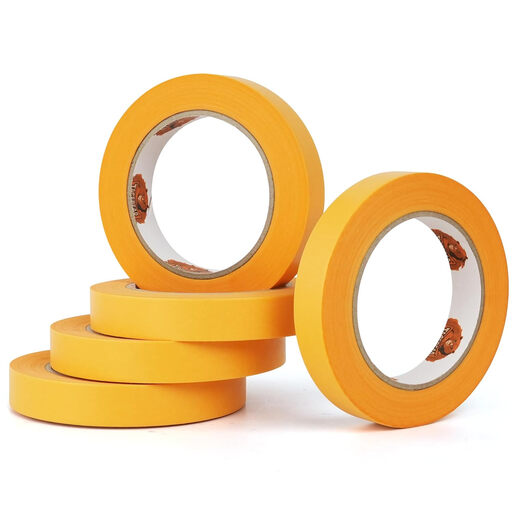
Why It's a Top Pick: This gold painter's tape from TAPEBEAR is based on high-quality Washi paper. The combination of the thin yet stable backing material and a specially formulated acrylic adhesive enables extremely sharp paint lines without bleed-through. Its UV resistance makes it a reliable choice for both indoor and outdoor projects.
Benefits:
Best For: This tape is aimed at professional painters, finishers, and discerning DIYers who refuse to compromise on the quality of their paint lines for decorative projects, multi-colour designs, or finishing work indoors and out.
Shop TAPEBEAR Gold Tape on Joybuy.de
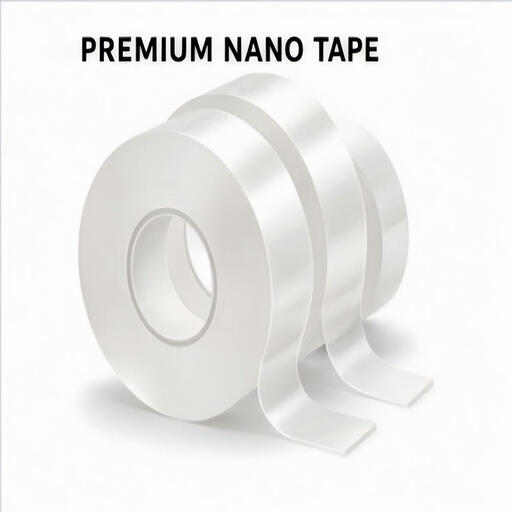
Why It's a Top Pick: After painting, the question often arises of how to hang pictures or decorations without damaging the new wall. This transparent nano-gel tape provides strong adhesion yet can be removed without a trace. It is even washable and reusable.
Benefits:
Best For: For anyone looking for a flexible, damage-free mounting solution after a renovation. It's a practical addition to any household for securely and reversibly hanging decorations.

Why It's a Top Pick: Unexpected repairs pop up in every renovation project. This fabric-reinforced tape, also known as Duct Tape, is an all-purpose helper. It is water-resistant, extremely tear-resistant, and adheres to almost any surface thanks to its natural rubber adhesive.
Benefits:
Best For: This tape is an all-rounder for any toolbox. It's suitable for bundling cables, making quick repairs, sealing cracks, or packing heavy items during a remodel.
Shop TAPEBEAR Duct Tape on Joybuy.de
The world of adhesive tapes is vast. Whether you need a special cloth tape, double-sided mounting tape, or other adhesive solutions for your project, a broader selection can help you find the right solution.
Discover more products in our Repair Tape category.
1. What is the difference between gold painter's tape and standard crepe tape? The main difference lies in the backing material. Gold painter's tape is typically made of thin, impregnated Washi paper, which allows for very sharp paint lines and can be removed without residue. Standard crepe painter's tape is thicker, more absorbent, and better suited for general masking jobs where edge sharpness is less critical.
2. How long can you leave painter's tape on a surface? The maximum application time depends on the product and environmental conditions. A high-quality, UV-resistant gold tape can often remain outdoors for up to 7 days or longer. Standard crepe tape should be removed much sooner (often within 24 hours), especially in direct sunlight, to avoid adhesive residue. Always follow the specific manufacturer's instructions on the product.
3. How do you prevent paint from bleeding under the tape? For optimal results, the surface should be clean, dry, and dust-free. After applying the tape, press it down firmly, especially along the edge where you will be painting. A putty knife or your fingernail can help create a tight seal. Another pro tip is to first paint over the edge of the tape with the wall's base colour. This seals the edge. After it dries, the new colour can be applied.