
Lieferung heute & morgen

Qualitätsgarantie

Willkommens-Angebote freischalten: KOSTENLOSE Lieferung | Bis zu 80 % RABATT | Kostenlose 30-Tage-JoyPlus-Testphase
App herunterladen
Choosing the right food is one of the most important decisions for a cat's health and well-being. Many cat owners specifically seek out grain-free cat food, whether due to food intolerances, sensitive digestion, or the desire for a diet rich in meat. The market offers a vast array of options, which can make the decision difficult.
This article serves as a guide. It explains the criteria you should consider when making your selection and presents a range of products designed for different needs.
To make an informed decision, it's helpful to understand some fundamental aspects of feline nutrition. The following points provide an objective basis for your food comparison.
Cats are natural carnivores. Their diet should therefore be rich in animal protein, which is essential for muscle maintenance and numerous metabolic functions. You can identify cat food with a high meat content by looking at the ingredients list. The ingredient listed first makes up the largest portion of the product by weight. Ideally, this should be a specifically named meat source like "fresh chicken" or "dried turkey protein" rather than vague, collective terms. The crude protein value in the analytical constituents also provides a quantitative indicator.
Not every cat has the same needs. A specialised cat food can be beneficial for certain health conditions.
Grain-free does not mean carbohydrate-free. In grain-free recipes, wheat, corn, or rice are replaced with alternative carbohydrate sources like peas, sweet potatoes, or quinoa. These not only provide energy but also supply dietary fibre that can aid digestion and are technically necessary for producing dry food kibble.
Based on the criteria mentioned, we have compiled a selection of products that cover a range of different requirements.

Why it stands out This food is distinguished by its high protein content of 40%, sourced primarily from turkey and chicken. The recipe is grain-free and is based on a protein-rich diet that closely mimics a cat's natural prey.
Benefits
Who is it for? This food is an option for owners of active adult cats from one year of age who are looking for a protein-rich, grain-free main meal.
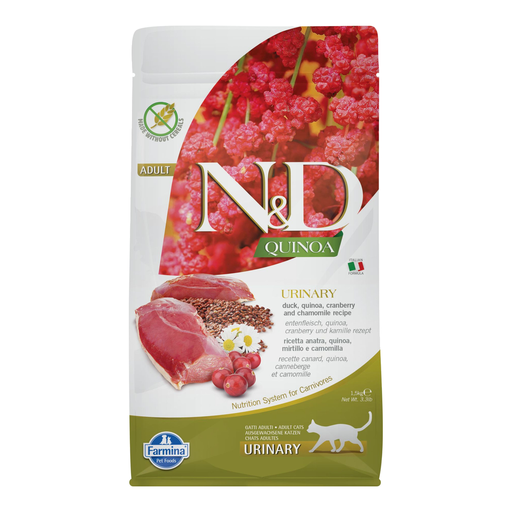
Why it stands out This is a specialised cat food developed to support urinary health. According to the manufacturer, the formula aims to stabilise the urine's pH value. It features a controlled magnesium content of 0.08%. Duck serves as the protein source.
Benefits
Who is it for? This food is aimed at adult cats where maintaining a healthy urinary tract is a priority. It is designed as a complete dietetic food.
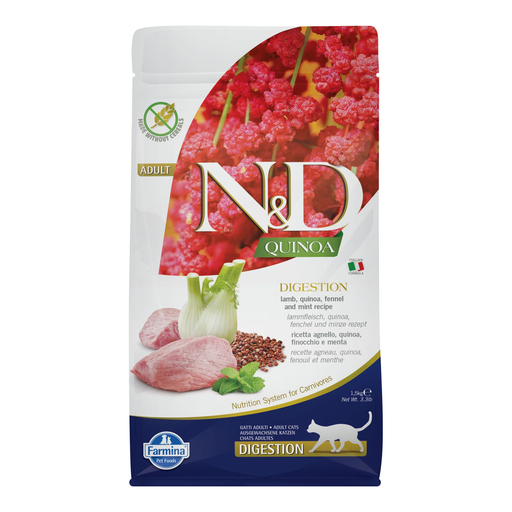
Why it stands out This food was developed as a food for sensitive cats, with a focus on sensitive digestion. The recipe combines lamb, a highly digestible protein source, with functional ingredients like quinoa, fennel, and mint, which are traditionally known for their digestive benefits.
Benefits
Who is it for? A suitable choice for cats prone to digestive issues or for owners who want to proactively support their cat's digestive health.
Every cat has individual preferences and needs. If our featured selection doesn't exactly match your requirements, or if your cat prefers a different flavour, you can find more options in our broader product category.
Discover our full range of grain-free dry cat food here.
Grain-free food is well-tolerated by many cats, especially those with diagnosed intolerances to specific grains. However, it is not a fundamental necessity for every cat. A healthy cat without allergies can also thrive on a high-quality, grain-inclusive food. The crucial factors are the overall quality of the ingredients and the food's digestibility. If you have health concerns, a consultation with a veterinarian is advisable.
A look at the ingredients list (declaration) is revealing. The ingredients are listed in descending order by weight. A high-quality food will list one or more specific types of meat (e.g., "fresh chicken meat," "dried lamb protein") at the top of the list. The percentage value for crude protein in the analysis also provides information about the total protein content.
For sensitive digestion, a food specifically formulated for this purpose is recommended. Such products often contain easily digestible proteins (single-protein sources like lamb or duck) and prebiotic fibres (e.g., FOS or MOS) to support the gut flora. A slow food transition over a period of 7 to 10 days is crucial to avoid putting additional strain on the digestive tract.