
Lieferung heute & morgen

Qualitätsgarantie

Willkommens-Angebote freischalten: KOSTENLOSE Lieferung | Bis zu 80 % RABATT | Kostenlose 30-Tage-JoyPlus-Testphase
App herunterladen
As a Joybuy Product Recommendation Officer, I see countless cat owners every day searching for healthy rewards for their pets. The desire to give them something special often leads to grain-free cat treats. However, not every product advertised as "grain-free" is automatically a good choice. Many owners invest in supposedly high-end snacks that, upon closer inspection, turn out to be unsuitable or overpriced. This guide will help you separate the wheat from the chaff and make informed decisions.
Packaging often makes big promises, but the true value of a snack is hidden in the ingredients list. Watch out for these three common pitfalls to avoid disappointment.
To objectively evaluate the quality of a snack, you should check three central criteria. These will help you distinguish marketing promises from genuine product features.
The foundation of a good cat snack is a high, clearly declared meat content. Cats are carnivores, and their digestive system is designed to process animal protein.
Cats' preferences are individual. The texture of a snack can determine acceptance or rejection and can serve different purposes.
Some grain-free cat snacks contain additives that can offer added health benefits. Here, it's important to distinguish between meaningful supplements and mere marketing buzzwords.
Based on the criteria above, we have identified several products suitable for different needs.
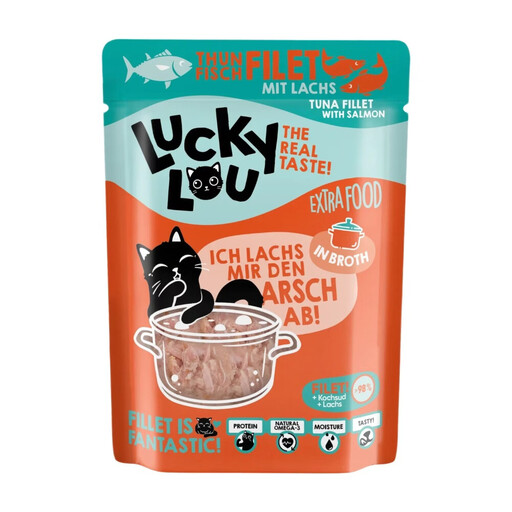
Why This Fits Their Persona: Cats that are picky about texture often prefer juicy pieces in liquid. This complementary food offers exactly that: tender fillets in a flavourful broth, which increases palatability for demanding pets.
The declaration is transparent: it clearly lists tuna fillet (38%) and salmon (4%) instead of hiding behind vague terms. It is free from grain, sugar, and preservatives.
High moisture content (84%) to support hydration; high palatability due to real fish fillets.
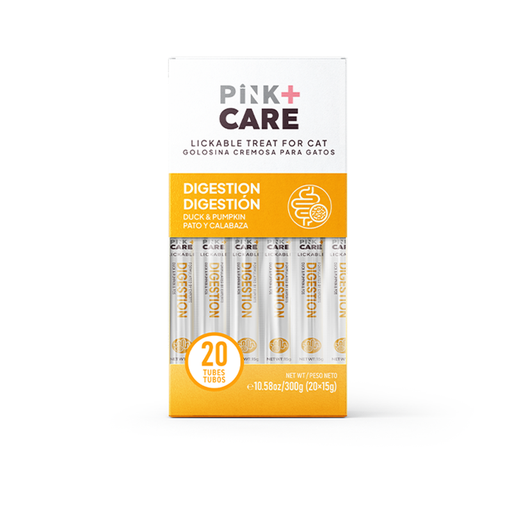
Why This Fits Their Persona: For cats with sensitive digestion, a short, clean ingredients list is crucial. This product relies on a hypoallergenic protein source (duck) and digestion-friendly pumpkin.
According to the manufacturer, the recipe is free from grain, soy, gelatin, and artificial flavour enhancers. Instead of unnecessary fillers, it uses functional ingredients like pumpkin and prebiotics.
Very limited ingredients list (duck, pumpkin, prebiotics); supports a balanced gut flora and regulated digestion, according to the manufacturer.
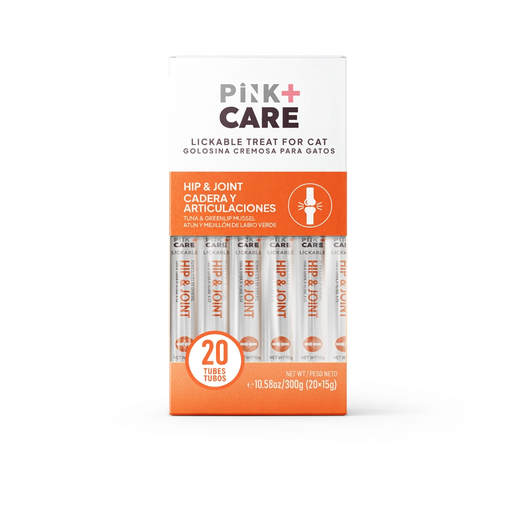
Why This Fits Their Persona: For owners of senior cats, large breeds, or active cats who want to specifically support joint function. This snack combines a reward with functional ingredients.
Instead of just advertising with general health claims, this product contains specific, well-known ingredients for joint health: New Zealand mussel powder (1%) and MSM (1%).
Grain- and soy-free recipe; contains natural omega-3 fatty acids to support joint mobility, according to the manufacturer.
We have compiled a complete, up-to-date list of products that fully meet these strict selection criteria.
1. How many grain-free treats can my cat have per day? The general recommendation is that treats should not make up more than 10% of your cat's daily calorie intake. Since these are complementary feeds, it's important to follow the manufacturer's feeding guidelines on the packaging. Adjust the amount of their main food accordingly to prevent weight gain.
2. Are lickable treats a good choice for cats? Yes, lickable treats can be a worthwhile supplement. Their main advantage is their high moisture content, which is especially beneficial for cats that don't drink much water. Their creamy consistency is also highly accepted by most cats. However, like all snacks, they should only be fed in moderation as they typically do not contain all the necessary nutrients of a complete meal.
3. Can I give my cat dog treats? This is generally not recommended. Cats have specific nutritional needs that differ from those of dogs. A crucial point is taurine, an essential amino acid for cats, which is often not present in sufficient quantities in dog food or treats. Even if a high-meat dog treat seems suitable at first glance, it is safer to stick to products specifically designed for cats to ensure a balanced nutrient supply.