
Lieferung heute & morgen

Qualitätsgarantie

Willkommens-Angebote freischalten: KOSTENLOSE Lieferung | Bis zu 80 % RABATT | Kostenlose 30-Tage-JoyPlus-Testphase
App herunterladen
As a dog owner, your four-legged friend's well-being is the top priority. Choosing the right treats plays a crucial role, especially if your dog has sensitive digestion or is prone to food intolerances. However, the dog snack market can be overwhelming and full of marketing promises. This article serves as a guide to help you navigate it. It explains what to look for when selecting grain-free dog treats and presents a selection of products based on objective criteria like ingredients and intended use.
The decision to buy a product should always be an informed one. The following three points will help you evaluate the quality of dog snacks and make the right choice for your dog.
A transparent and understandable ingredient list is the most important mark of quality. Look for an "open declaration," where all ingredients are listed individually, ideally with their percentages.
Not every treat is suitable for every situation. The intended use is a critical factor in your selection.
The type and origin of the protein are crucial for digestibility and nutritional value. While most dogs do well with common protein sources like beef or chicken, animals with allergies often require hypoallergenic alternatives such as horse, insect, or ostrich. A snack with multiple protein sources can provide variety, as long as no intolerances are known.
Based on the criteria above, we have compiled a selection of products that stand out for their composition and intended use.
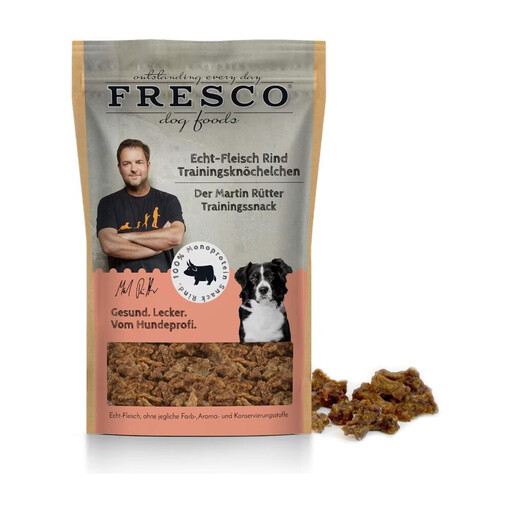
Why it stands out: These training treats are distinguished by an exceptionally high meat content and a single-protein recipe. With 92% beef, they offer a protein-rich reward. Made in Germany, the grain-free formula underscores their commitment to quality.
Pros:
Best for: Ideal for dog owners looking for a high-quality, high-meat, and easily portioned reward for daily training, especially for dogs prone to food intolerances.
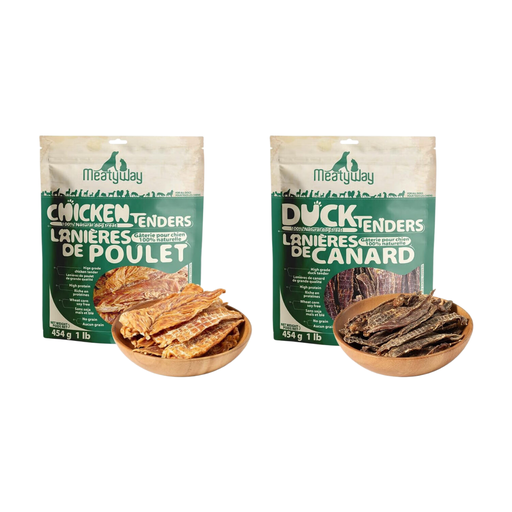
Why it stands out: These snacks impress with an extremely short and clear ingredient list: duck breast and chicken. The jerky strips are high in protein, low in fat, and free from grain, fillers, or artificial preservatives, making them an easily digestible and healthy dog treat.
Pros:
Best for: For all dog owners who prefer a pure meat snack as a special reward. Thanks to the simple recipe, it's also a good choice for dogs with sensitive digestion, provided they are not allergic to poultry.
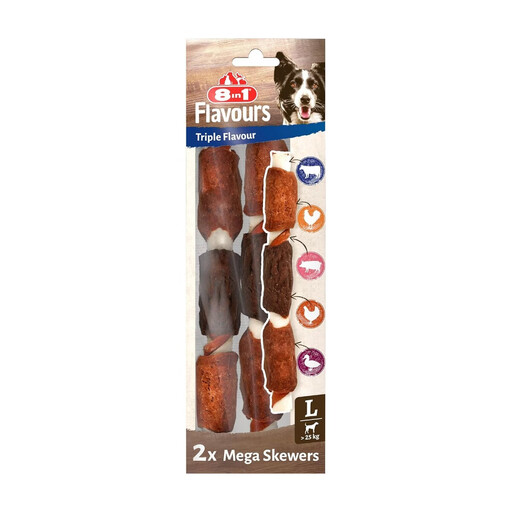
Why it stands out: This chew snack was developed specifically for the needs of large dogs. It combines long-lasting chewing fun with an intense flavour experience, thanks to the wrap of chicken breast, duck breast, and chicken liver. As a natural dog chew, it supports mechanical teeth cleaning.
Pros:
Best for: Exclusively for owners of large dog breeds (over 25 kg) who are looking for a robust chew snack for entertainment and to support dental care.
Some dogs respond particularly well to strong-smelling snacks, which provides extra motivation during training. If you're looking for more options that will appeal to your dog's nose, you can find a wider selection of natural chews in our category for smelly dog treats.
1. Why are grain-free dog treats often a good choice? Grains like wheat or corn are common fillers in dog food and treats. They can lead to digestive problems or allergic reactions in some dogs. Grain-free snacks, in contrast, focus on animal proteins, which are closer to a dog's natural diet and are generally more digestible.
2. How can I identify high-quality grain-free dog snacks? You can recognise high-quality snacks by a short, transparent ingredient list with a high, clearly declared meat content listed first. They should be free from sugar, artificial colours, flavours, and preservatives, as well as vague items like "animal by-products."
3. Are grain-free treats suitable for all dogs? Yes, in principle, grain-free treats are a well-tolerated option for most dogs. However, they are not a cure-all. The most important foundation is a balanced overall diet. For dogs without a specific grain intolerance, grain in moderation is not necessarily harmful. The decision should always be based on the individual needs and health of your own dog.