
Lieferung heute & morgen

Qualitätsgarantie

Willkommens-Angebote freischalten: KOSTENLOSE Lieferung | Bis zu 80 % RABATT | Kostenlose 30-Tage-JoyPlus-Testphase
App herunterladen
As a responsible pet owner, you want only the best for your dog. Grain-free dog treats are an increasingly popular choice. However, the market is crowded and full of marketing promises. Not every snack advertised as "grain-free" is automatically a good choice. To avoid making the wrong purchase, it's crucial to know the pitfalls and understand what really matters.
This guide will help you separate the wheat from the chaff and make an informed decision for the health of your four-legged friend.
Many products use attractive buzzwords, but a closer look at the ingredients list is essential. Watch out for these three common problems:
To objectively assess the quality of a snack, you should check three key aspects. These will help you make a species-appropriate and healthy choice.
A transparent ingredients list is paramount. Look for an open declaration, where all ingredients are listed by percentage and with their precise name. A high content of quality meat is the foundation of protein-rich dog treats. Ideally, a clearly defined type of meat should be the first item on the ingredients list.
For diet-sensitive animals, single-protein treats are a great option. These use only one animal protein source, which minimises the risk of allergic reactions.
Not every treat is suitable for every situation. The choice should depend on the purpose:
A high-quality snack is also defined by what it does not contain. Specifically look for products that are free from the following additives:
Based on the criteria above, we have put together a few products for different requirements and dog types.
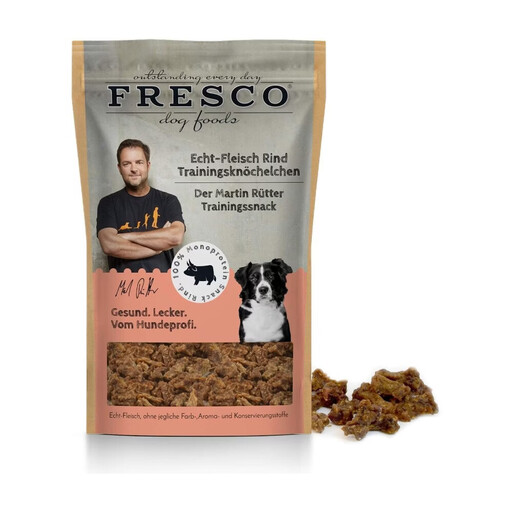
Why This Fits Their Persona: Ideal for dog owners who train frequently and need a motivating yet healthy reward. The small, bite-sized pieces are perfect for quick rewards without interrupting the training session.
This product avoids the unclear meat declaration trap by specifying 92% beef. It's grain-free and contains no hidden sugars or unnecessary fillers.
High meat content from a single protein source (monoprotein). Made in Germany with natural ingredients.
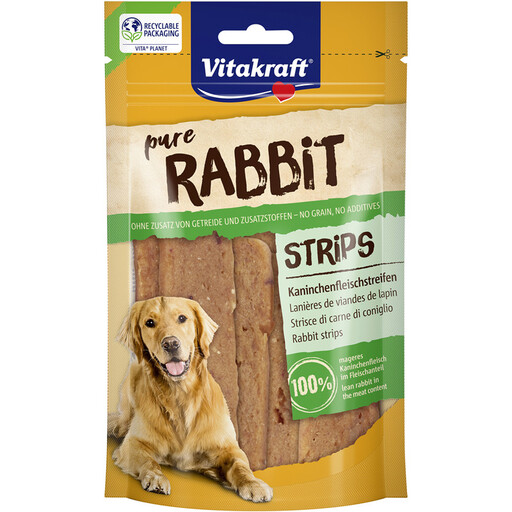
Why This Fits Their Persona: Perfect for owners of dogs with allergies or food intolerances. Rabbit is a novel protein source, making it well-suited for an elimination diet or as a hypoallergenic snack.
The recipe is reduced to the essentials: 95% rabbit meat. There are no fillers, sugar, or artificial additives, making it a safe choice for sensitive stomachs.
A pure monoprotein snack. Free from grain, soy, sugar, and dairy products. Ideal as a hypoallergenic reward.
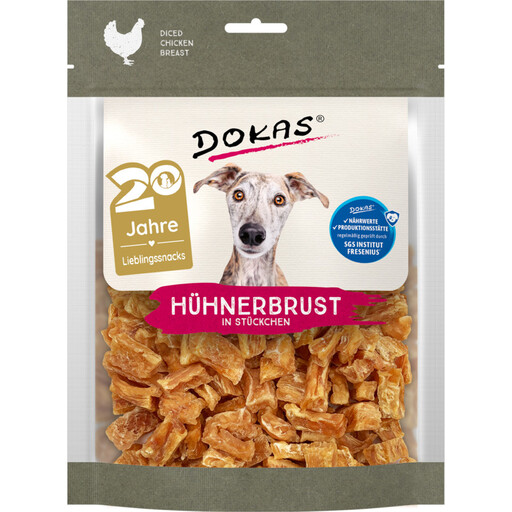
Why This Fits Their Persona: For owners looking for a pure, high-protein snack as a special reward or to keep their dog occupied. The pieces are large enough for a longer chewing session and support muscle maintenance.
According to the manufacturer, this product consists of 93% chicken breast and has a crude protein content of 57%. It bypasses the filler trap with a pure meat recipe, free from grain, soy, or added sugar.
Very high protein content (57%) with a low fat content (3.4%). A pure recipe, ideal as a reward between meals.
By the way, the principles mentioned—clear declaration, high-quality ingredients, and the avoidance of unnecessary additives—don't just apply to dogs. When choosing healthy cat treats or grain-free rodent snacks, a critical look at the ingredients is crucial for your pet's well-being.
We've compiled a complete, up-to-date list of products that meet these strict selection criteria.
Treats should always be given in moderation and should not make up more than 10% of your dog's daily calorie intake. The exact amount depends on your dog's size, age, weight, and activity level, as well as the calorie content of the snack. Reduce the main meal portion accordingly to prevent weight gain.
Yes, many grain-free snacks are also suitable for puppies. However, make sure the snacks are approved for your puppy's age. Puppies have special nutritional needs, and the treats shouldn't be too hard, to avoid damaging their baby teeth. Choose small, soft snacks that are specifically labelled for puppies or for all life stages.
The price difference often comes down to the quality of the ingredients. Products with a high percentage of pure muscle meat (e.g., chicken breast fillet) are more complex to produce than those based on cheap fillers or undefined animal by-products. A gentle manufacturing process, such as air-drying or freeze-drying, which preserves nutrients and flavour, can also lead to a higher price.