
Lieferung heute & morgen

Qualitätsgarantie

Willkommens-Angebote freischalten: KOSTENLOSE Lieferung | Bis zu 80 % RABATT | Kostenlose 30-Tage-JoyPlus-Testphase
App herunterladen
For many cat owners, choosing a grain-free wet food is an important step towards a more species-appropriate diet for their pet. But the market can be overwhelming, and marketing promises can easily be misleading. Not every food advertised as "grain-free" or "natural" meets the criteria for a high-quality meal. Before you make a decision, it's helpful to know the most common pitfalls.
Common Pitfalls When Buying Grain-Free Cat Food:
To make an informed choice that supports your cat's well-being, you should examine three core aspects.
A transparent ingredient list is an indicator of quality. Look for an "open declaration," where all components are listed individually with their percentages.
A wet food with a high meat content is beneficial when that content consists of high-quality muscle meat and nutrient-rich offal, not undefined by-products.
It's crucial to understand the food's purpose to avoid nutritional deficiencies.
A high-quality recipe for sensitive cat food is characterised by a short and understandable ingredient list. Unnecessary additives should be avoided.
Based on these objective criteria, we have put together some products for different requirements and preferences.
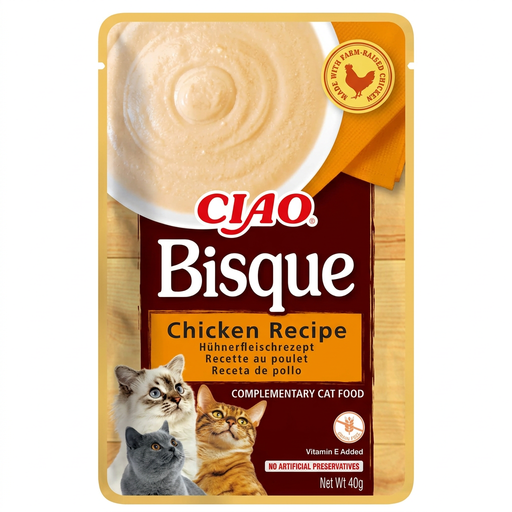
Why This Fits Their Persona: Ideal as a tasty food topper or liquid snack to increase water intake. The creamy consistency is often accepted even by cats who prefer wet food for picky eaters.
Transparent, extremely short ingredient list (chicken broth, chicken). No grains, hidden fillers, or sugar. It is clearly declared as a complementary food.
Very high moisture content (93%) to support hydration; designed as a complementary food.
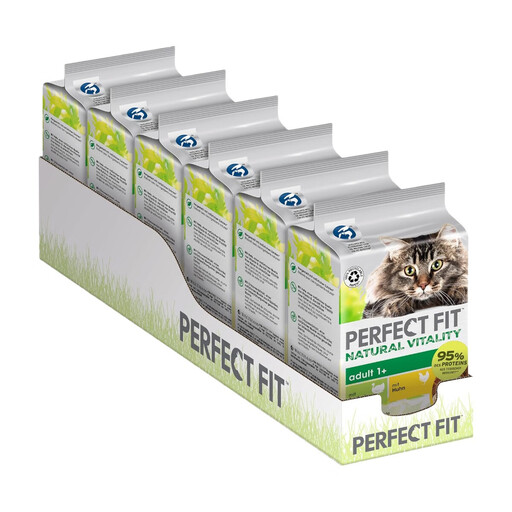
Why This Fits Their Persona: Designed as a daily complete cat food for health-conscious owners. The recipe with prebiotics supports healthy digestion, making it an option for sensitive cat food.
Grain-free recipe where, according to the manufacturer, 95% of the protein is of animal origin. Contains chicory extract as a natural prebiotic source instead of unnecessary fillers.
A complete food with added vitamins and minerals; contains yeast as a natural source of B vitamins.
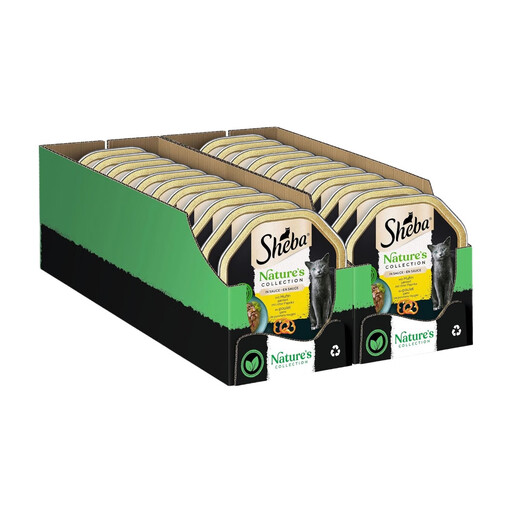
Why This Fits Their Persona: Ideal for owners who want to offer their cat variety and stock up at the same time. The cat food multipack from Sheba cat food makes feeding straightforward.
Explicitly declared as a grain-free recipe. The ingredient list names specific meat and vegetable components instead of vague collective terms and is free from sugar.
Grain-free complete food in convenient portioned trays; without artificial colours and preservatives.
We have compiled a complete, up-to-date list of products that fully meet these strict selection criteria and all relevant regulations.
The required amount of food depends on several factors: weight, age, activity level, and whether it is a complete food or if you are mixing it with dry food. As a guideline, an average active 4 kg cat needs about 200 to 250 grams of wet food per day when fed as a complete meal. Always follow the manufacturer's feeding recommendations on the packaging and adjust the amount individually.
Not necessarily. More crucial than the sheer percentage is the quality and declaration of the meat sources. A food with 50% clearly declared muscle meat and organs can be of higher quality than a food with 70% "animal by-products," which can hide inferior ingredients. Look for an open declaration that shows you exactly what you are feeding.
An abrupt food change can lead to digestive upset. Introduce the new food gradually over a period of 7 to 10 days. Start by mixing a small portion (about 25%) of the new food with the familiar food. Increase the proportion of the new food every two to three days until the meal consists entirely of the new variety. This gives your cat's digestive system time to adapt.