
Same-day & Next-day Delivery

Quality Guaranteed

Unlock Your Welcome Offers: FREE Delivery | Up to 80% OFF | Free 30-day JoyPlus trial
Download the APP
By Joybuy Product Recommendation Officer, July 28, 2026
The market for grape drinks is more diverse than ever. Alongside classic juice, shelves are now filled with Asian sweet drinks and innovative sodas that entice with new flavour profiles and textures. However, not every product lives up to the promise of its appealing design. To avoid disappointment, it's helpful to know the most common pitfalls and what to look for when making your choice.
Many consumers grab a product because it's visually appealing or trendy, only to find it doesn't meet their expectations. These three issues frequently lead to dissatisfaction:
To find the perfect grape drink that meets your expectations, you should check two to three core parameters. These will help you objectively assess the product's quality.
A drink's composition is the most important indicator of its quality and taste. Pay attention to the following terms:
Not all grape drinks are created equal. The name itself often provides a clue about its character and taste:
Instead of making a one-size-fits-all recommendation, we've matched products to different user profiles and preferences.
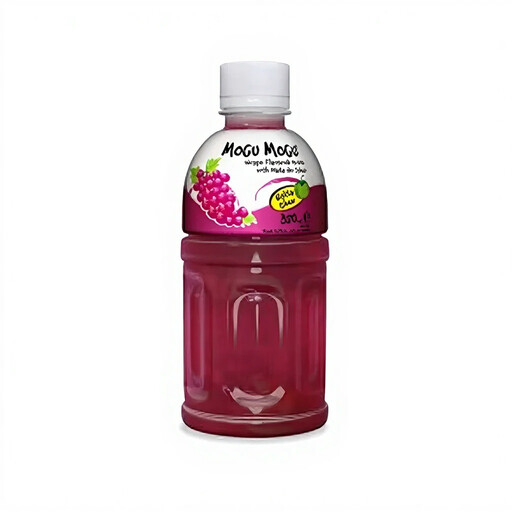
Why This Fits Their Persona: Ideal for anyone seeking a unique, social-media-worthy beverage. The combination of sweet grape juice and chewy nata de coco pieces makes it an experience that goes beyond just drinking.
This drink sidesteps the "texture disappointment" because the nata de coco pieces are its central feature, provided in sufficient quantity and quality to deliver the expected chewing experience.
Offers a multi-sensory experience as a "chewable drink." The combination of sweet juice and firm jelly is a unique selling point.
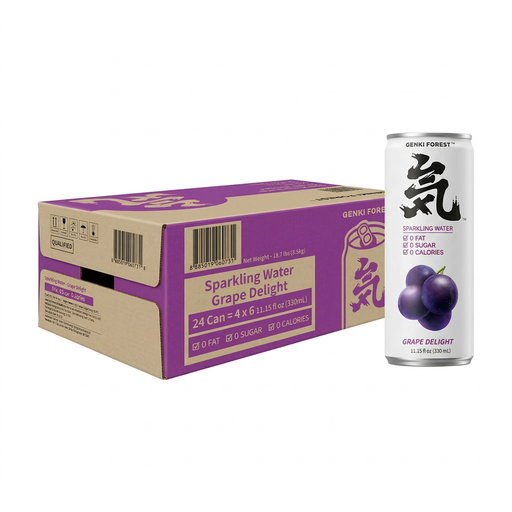
Why This Fits Their Persona: Perfect for consumers who want the full flavour of a grape soda without the sugar and calories. This sparkling water is a modern alternative to traditional soft drinks.
This product directly addresses the "hidden sugar" pitfall. The "zero sugar" claim isn't an empty marketing phrase but the core concept of the drink, which is sweetened with erythritol.
Delivers intense grape flavour with 0 calories and 0g of sugar. The refreshing carbonation makes it an ideal thirst quencher.
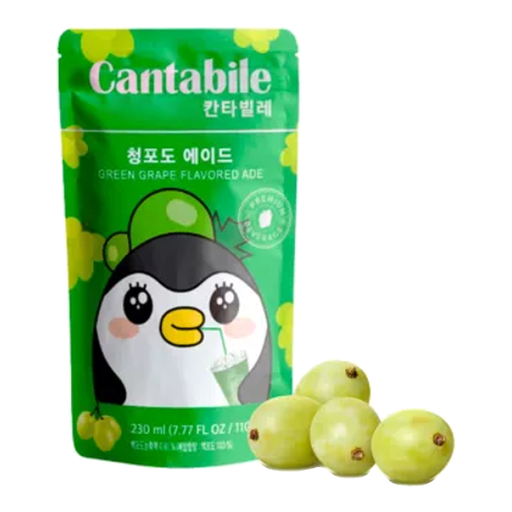
Why This Fits Their Persona: For those who want to experience the typical taste of a Korean "ade." This drink captures the characteristic sweet-and-sour aroma of green grapes that is highly popular in Korea. The pouch packaging is both practical and authentic.
This product avoids the "misleading flavour promise" pitfall by clearly positioning itself as an "ade"—a specific beverage category that shouldn't be confused with 100% juice. This correctly manages expectations.
Offers an authentic Korean-style lemonade taste experience. It's light, refreshing, and not overly carbonated.
We have compiled a complete, up-to-date list of products that fully meet these strict selection criteria and UK regulations.
The main difference lies in the fruit content. By law, grape juice must be 100% fruit, with no added sugar. Grape nectar has a lower fruit content (legally required to be at least 25-50%, depending on the fruit type) and may contain added water and sugar. Grape soda typically has the lowest fruit content and consists mainly of water, sugar, carbonation, and flavourings.
Nata de Coco is a chewy, jelly-like food product made from the fermentation of coconut water. It has a neutral taste and a pleasant, firm texture. In drinks like Mogu Mogu, it serves as a chewable inclusion that creates a unique drinking experience.
Drinks advertised as "sugar-free" or "zero" generally contain few to no calories. Instead of sugar, they use sweeteners like erythritol, steviol glycosides, or sucralose. These provide sweetness without the calories of sugar. A look at the nutrition facts panel will give you the exact energy content. For example, according to the manufacturer's ingredients, Genki Forest Sparkling Water contains 0 kcal per 100 ml.