Designers with limited desk space
If you already use a computer and need room for a keyboard and invitation templates, a drawing surface you can put away when you’ve finished work may fit better into your everyday routine.


If you already have a suitable computer and screen and want to clear your desk quickly, a compact screenless pen tablet is a natural place to start. If you’d rather draw directly onto your design, a pen display could be a good option, provided you have enough space and the right connections. If you want to work without a computer running, a standalone tablet with a compatible pen may be more suitable. To create a print-ready invitation, you’ll also need to consider the layout, fonts and your printer’s specifications.
If you already use a computer and need room for a keyboard and invitation templates, a drawing surface you can put away when you’ve finished work may fit better into your everyday routine.
For floral details or lettering on the design displayed on screen, consider whether you’d be comfortable drawing on a display, and whether you have enough space and the right connections for the specific model.
If you want to design without relying on a laptop, check that the pen is compatible and that your chosen software can prepare your design for printing.
A good fit if: You already use a suitable screen and want to put your drawing surface away after work.
The trade-off: You draw on the tablet while looking at your computer screen; a small active area gives you less room to move.
A good fit if: You want to draw directly onto the image on screen.
The trade-off: The display takes up extra desk space and needs to be connected to your computer.
A good fit if: You want to create without a connected laptop and have checked that your layout and export apps are suitable.
The trade-off: Check that the pen is compatible with the exact tablet generation, and whether it’s included in the box.
| What matters to you | What to check before buying | Who might prioritise this? |
|---|---|---|
| Space and storage | Compare the overall dimensions and active drawing area separately, and allow room for your drawing hand. | If my desk also needs to accommodate a computer and templates, I want to be able to put the device away after drawing. For around 28% of consumers, this need for space comes first. |
| Drawing directly onto the design | Check the display type, usable screen area and cables required for the specific model. | If I want to draw floral details or lettering directly onto the design on screen, the position of the pen relative to the image matters. Around 22% of consumers prioritise this direct drawing experience. |
| Compatibility with your computer | Check the operating system, drivers, software, video output and cables required for the exact model. | If I want to keep using my existing laptop, I want to know in advance whether the tablet and its connections will work with it. For around 22% of consumers, compatibility with their computer takes priority. |
| Preparing your work for print | Check whether your chosen software supports text editing, the right file format and your printer’s specifications. | If I want to turn my drawing and text into a printable invitation, I need a suitable layout and export workflow. Around 17% of consumers focus on this step towards a print layout. |
| Working without a laptop | Check that it has its own operating system, that the pen is compatible and what’s included in the box. | If I want to design without a connected computer, the device needs to work independently and be compatible with the pen. Around 11% of consumers put this requirement first. |
A pen display shows your design on screen, but that doesn’t automatically make it a standalone creative device.
Read the connection instructions for the exact model generation and consider whether you want to work without a computer.
The active area isn’t the same as the space the whole device takes up; you’ll also need room for your drawing hand.
Compare the overall dimensions of the specific model with the space available on your desk.
Fonts, page size and bleed need their own document settings and should be agreed with your print service. Adobe recommends checking the print specifications before preparing your layout.
Ask your printer for its specifications before settling on the format and layout.
If your file doesn’t meet the specifications, you may need to make extra changes to the layout and print file.
Apple lists the supported Pencil generations for the iPad (A16) separately from what’s included in the box; a Pencil isn’t listed as included.
Check what’s in the box and whether the pen is compatible with the exact tablet generation.
If a compatible pen isn’t included, you’ll need to budget for one separately.
The One by Wacom range includes pen tablets designed to be used with an existing screen. The manufacturer offers Small and Medium sizes.
The range includes both screenless pen tablets and compact pen displays.
The Inspiroy 2 S is a compact input surface, while the Kamvas 13 (Gen 3) is designed for drawing directly on a connected screen.
The iPad (A16) is a standalone tablet option, not simply an input surface for a laptop.
This selection includes Android tablets with pens for creative work, handwriting or drawing directly on the screen. Also check that your preferred design software and print workflow are right for your project.
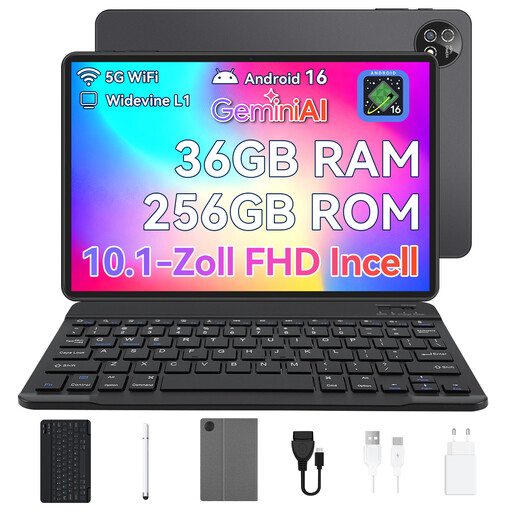 No image available
This tablet with a stylus could suit creative work if you’re looking for a standalone device rather than an input surface for your laptop.
The product name lists a 10.1-inch touchscreen, Android 16, 36 GB RAM (6+30), 256 GB storage, an octa-core processor, a keyboard set and a stylus.
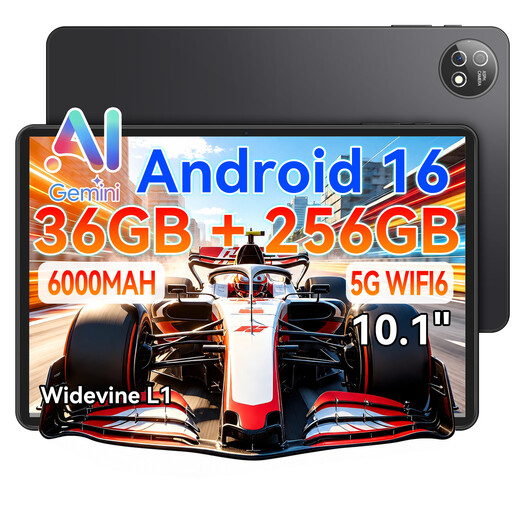 No image available
This tablet with a stylus could be suitable for sketches and handwriting if you want to work without a connected laptop.
The product name lists a Unisoc T310, 36 GB RAM, 256 GB ROM, storage expansion up to 1 TB, a 6000 mAh battery, Wi-Fi 6, a keyboard and a stylus.
 No image available
If you want to draw directly onto the image on screen, this tablet with a display and pen could be an option. Check first that it suits your design workflow.
The product name lists Android 15, a Helio G99, 20 GB RAM (8+12 virtual), 256 GB storage, Dual-SIM 4G LTE, a 10,000 mAh battery and Widevine L1.
Yes, as long as your computer can run the design software you need and you work on its screen. You’ll also need a suitable layout and export workflow for the text, page size and print file; the pen tablet alone won’t take care of these tasks.
Check the instructions for the exact model and your computer’s video output. The XPPen Artist 12 3rd manual requires a USB-C port with DisplayPort output for the one-cable USB-C connection described. Don’t assume this requirement applies to other Artist generations without checking.
Agree the file format and bleed with your printer first. Adobe gives an example of a 3 mm bleed in an InDesign guide; some print services may require more.
Consumers generally have a 14-day right to cancel distance purchases, although exceptions and when the cancellation period starts depend on the contract. Your statutory rights against the seller are separate from any voluntary guarantee.