By Joybuy Product Recommendation Officer, August 29, 2026
The search for the right Grauburgunder can quickly become complicated. Labels may call it Grauburgunder or Pinot Grigio, and flavour profiles range from full-bodied and nutty to light and fruity. Many buyers invest in a wine that ultimately fails to meet their expectations. This is often due to common misunderstandings and marketing tricks that are important to see through.
This guide will help you understand the key criteria to confidently find the wine that suits your taste and occasion. We focus on the facts that truly matter and show you how to avoid common purchasing pitfalls the next time you buy wine online.
The 3 Most Common Pitfalls When Buying Grauburgunder
Before we delve into the selection criteria, it's important to know the most common stumbling blocks that can lead to an unsuitable wine choice.
- The "Dry" Trap: The term "dry" on a white wine label is legally defined but allows for some leeway. A wine can contain up to 9 grams of residual sugar per litre, as long as the acidity level is correspondingly high. The result: two wines declared "dry" can taste significantly different. One might seem mineral-driven and crisp, while the other is noticeably fruit-forward.
- The Name Game: Grauburgunder vs. Pinot Grigio: Although it's the same grape variety, the name often signifies a particular style of wine. Someone expecting a powerful, full-bodied Grauburgunder from Baden who buys a light, Italian Pinot Grigio will have a different tasting experience. The names are an initial clue to the style, but not a guarantee.
- Origin is Underestimated: A Grauburgunder from the sun-drenched Baden region tastes different from its counterpart from the cooler Rheinhessen or an Italian white wine from Veneto. Soil composition, climate, and the winemaker's philosophy have a significant impact on the wine—factors that are often overlooked.
What Really Matters: The Key Selection Criteria
To make an informed decision, you should focus on three objective parameters. These will help you correctly interpret product descriptions and identify the right wine for your needs.
1. Flavour Profile: Dry, Off-Dry, or Feinherb?
The taste description is your most important guide. It pays to know the definitions:
- Dry: The legal framework allows up to 9 g/l of residual sugar. Wines in this category can range from bone-dry and mineral-driven to fruity with a barely perceptible sweetness. Look for descriptions like "mineral," "fresh acidity," or "notes of citrus" for a crisper style.
- Off-Dry/Feinherb: These wines have a higher residual sugar content (off-dry: up to 18 g/l). They are a great choice for those who prefer a rounder, smoother mouthfeel and often pair well with mildly spicy dishes.
- Related Grape Varieties: Sometimes it's worth looking at Weissburgunder (Pinot Blanc). It is often slightly lighter and more acidic than Grauburgunder, presenting aromas of green nuts and citrus fruits.
2. Origin: German Grauburgunder or Italian Pinot Grigio?
The origin is a reliable indicator of the wine's style.
- Germany: German Grauburgunder, especially from Baden, the Palatinate, or Rheinhessen, are often more full-bodied and complex. Typical aromas include ripe pear, nuts, almonds, and sometimes a hint of honey. They are excellent food companions.
- Italy: The Italian white wine known as Pinot Grigio is typically lighter, fresher, and more straightforward. Aromas of green apple, lemon, and floral notes dominate. It is perfect as an aperitif or with light appetisers.
3. Container Size and Occasion: From a Case of 6 to a Bag-in-Box
Choosing the right packaging unit is a matter of practicality and occasion.
- 0.75-Litre Bottle: The standard for enjoying with a partner or for trying a new wine.
- 1-Litre Bottle: Often offers excellent value for money and is ideal for regular enjoyment.
- Wine Pack (e.g., Case of 6): The most economical option once you've found your favourite. You save on shipping costs and always have a supply on hand.
- 3-Litre Bag-in-Box: A practical solution for parties and larger gatherings. The wine stays fresh for several weeks after opening.
Special features like organic wine or a vegan certification are also clearly declared today and offer additional guidance for a conscious purchasing decision.
Curated Product Selections
To put theory into practice, we have selected a few products from our range that are suitable for different profiles.
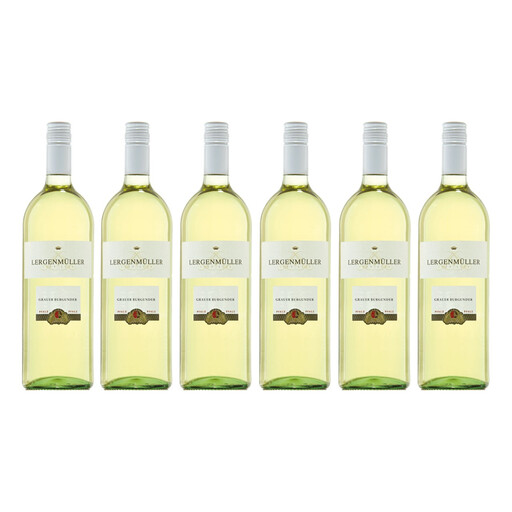
MATCH FOR: The Budget-Conscious Everyday Drinker
Why This Fits Their Persona: Ideal for regular enjoyment thanks to the practical 1-litre bottle and the value-priced 6-pack. A straightforward, fresh, and dry white wine from the Palatinate region that offers reliability.
How It Avoids the Trap
It avoids the trap of overpaying for a brand name. The 1-litre format and the case of 6 clearly signal a focus on great value for everyday consumption.
Key Advantage & Pros
Excellent value for money in a large format; classic, dry German wine style with a mineral character.
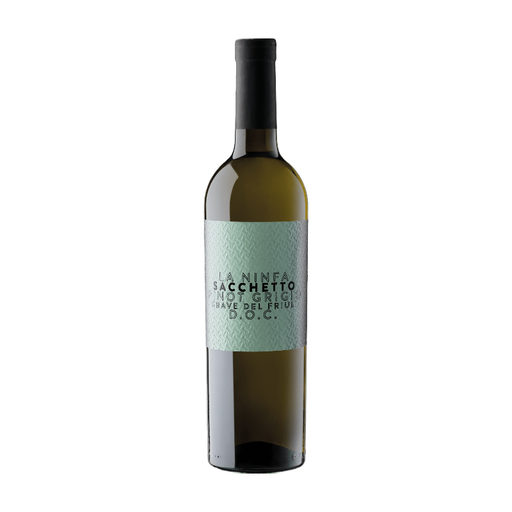
MATCH FOR: The Italy Aficionado
Why This Fits Their Persona: For anyone specifically seeking the light, fresh, and fruity style of an authentic Italian Pinot Grigio. The DOC classification guarantees its origin and quality standard.
How It Avoids the Trap
It clears up the name confusion. Here, you get exactly what the name "Pinot Grigio" promises: a classic, light Italian white wine that clearly stands apart from the German Grauburgunder style.
Key Advantage & Pros
DOC-certified quality from Veneto; a clean, elegant aroma profile with notes of banana, pineapple, and wisteria.
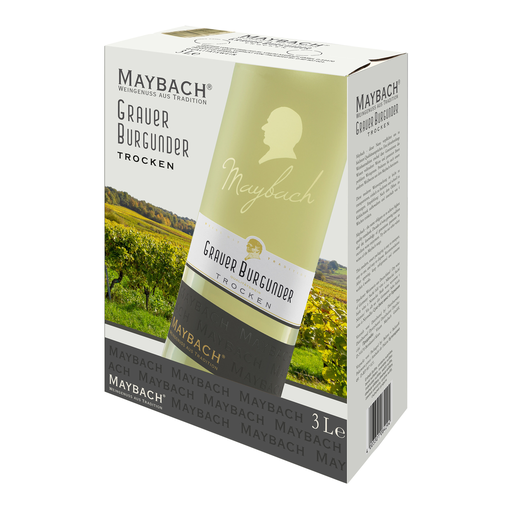
MATCH FOR: The Practical Host
Why This Fits Their Persona: The 3-litre Bag-in-Box is the ideal solution for parties and social gatherings. The wine stays fresh for weeks, and the integrated tap allows for easy self-service for guests.
How It Avoids the Trap
This format solves the problem of opening multiple bottles and dealing with leftovers at parties. It's a pragmatic choice that prioritises function and quantity without compromising on basic quality.
Key Advantage & Pros
Long shelf life after opening (approx. 4 weeks according to the manufacturer); convenient handling for larger groups; a good standard Grauburgunder for many occasions.
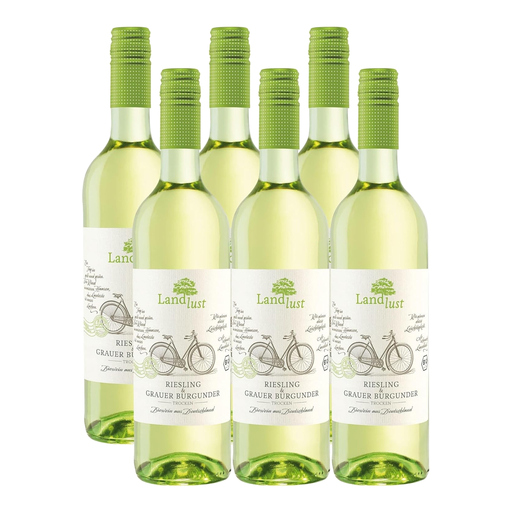
MATCH FOR: The Sustainable Connoisseur
Why This Fits Their Persona: Specifically serves the demand for certified organic and vegan products. The cuvée of Riesling and Grauburgunder also offers a unique and interesting flavour profile.
How It Avoids the Trap
The EU organic seal provides a clear, verifiable standard that goes beyond vague marketing claims like "nature-friendly." Here, the production method is transparently certified.
Key Advantage & Pros
Certified organic wine and vegan; an exciting cuvée of two popular German grape varieties, combining the fruitiness of Riesling with the body of Grauburgunder.
Looking for More Options?
We've compiled a complete, up-to-date list of products that meet these strict selection criteria and quality standards.
Frequently Asked Questions (FAQ)
What is the difference between Grauburgunder and Pinot Grigio?
Grauburgunder and Pinot Grigio are two names for the exact same grape variety. However, the name often gives a clue to the wine's style, which is shaped by its origin and cellar techniques.
- Grauburgunder: This name is predominantly used in Germany and usually stands for a more full-bodied, dry white wine with aromas of nuts, almonds, and ripe fruits.
- Pinot Grigio: The Italian name typically indicates a lighter, fresher, and more acidic style with notes of citrus and green apple.
- Rul?nder: Another German name for the grape variety, historically used for sweeter and richer dessert-style wines.
How should you store Grauburgunder, especially after opening?
Proper storage is crucial for maintaining quality.
- Unopened: Store bottles in a cool, dark place with a constant temperature. Bottles with natural corks should be stored lying down to keep the cork moist. Wines with screw caps can be stored upright.
- Opened: An opened bottle should be tightly resealed and stored in the refrigerator. The wine will last for about 2-3 days. A Bag-in-Box stays fresh for several weeks after the first pour, thanks to its vacuum system.
What foods pair well with dry Grauburgunder?
Grauburgunder is a versatile food-pairing wine. The right combination depends on the style of the wine.
- Full-bodied, German Grauburgunder: Pairs excellently with hearty dishes like roasted poultry, pork, mushroom dishes, pasta with cream sauces, or even mild cheeses.
- Light, Italian Pinot Grigio: Harmonises perfectly with light appetisers, salads, seafood, fish dishes, or simply as a refreshing aperitif.