
Lieferung heute & morgen

Qualitätsgarantie

Willkommens-Angebote freischalten: KOSTENLOSE Lieferung | Bis zu 80 % RABATT | Kostenlose 30-Tage-JoyPlus-Testphase
App herunterladen
By Joybuy Product Recommendation OfficerDate: 2026-07-28
Grauburgunder, also known as Pinot Gris or Pinot Grigio, is one of Germany's most popular white wines. Its versatility makes it the ideal companion for numerous occasions—from a relaxed evening to a festive dinner. However, the vast selection and different names can make the buying decision difficult. Many wine drinkers invest in a wine that doesn't match their taste preferences. This guide will help you navigate the most common pitfalls and find the perfect Grauburgunder for your needs.
Before you add a bottle to your cart, you should be aware of the common misunderstandings that often lead to an unsuitable choice.
To ensure the wine meets your expectations, you should check three essential characteristics.
The region of origin is the most important indicator of the wine's character.
The information on the label provides precise details about the residual sugar content.
The choice of packaging should depend on the intended use.
Here are some recommendations tailored to different needs and taste profiles.
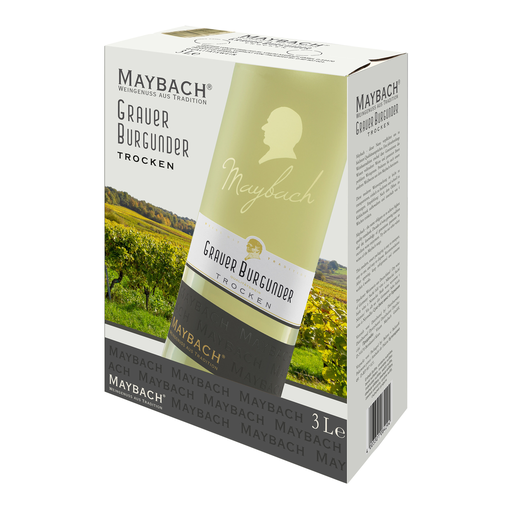
Why it's a great fit: Ideal for anyone who regularly enjoys a glass of dry white wine without having to open a full bottle. The bag-in-box packaging is practical, more environmentally friendly to transport, and offers excellent value for money.
The clear declaration as "Pinot Gris" (Grauburgunder) from Germany with the "dry" flavour profile sets clear expectations. The large format is a conscious choice for regular consumption.
The wine stays fresh for up to 4 weeks after opening. Aromas of peach and apple make it a versatile companion for light cuisine.
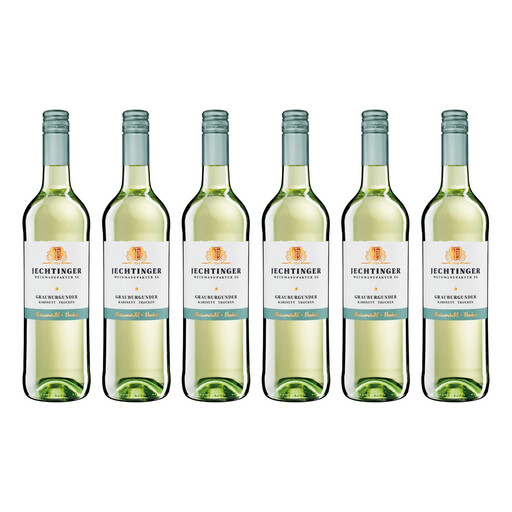
Why it's a great fit: For wine lovers who appreciate terroir character. This wine comes from Jechtingen am Kaiserstuhl (Baden), one of the most renowned locations for Burgundy varieties in Germany. The Kabinett quality promises elegance and finesse.
It avoids the origin trap with its precise indication of the region (Baden) and quality level (Kabinett). This signals a specific, high-quality style that stands out from generic wines.
Shows the typical power and minerality of a Kaiserstuhl wine. Maturation in stainless steel tanks preserves its fresh and clear structure. A wine with character.
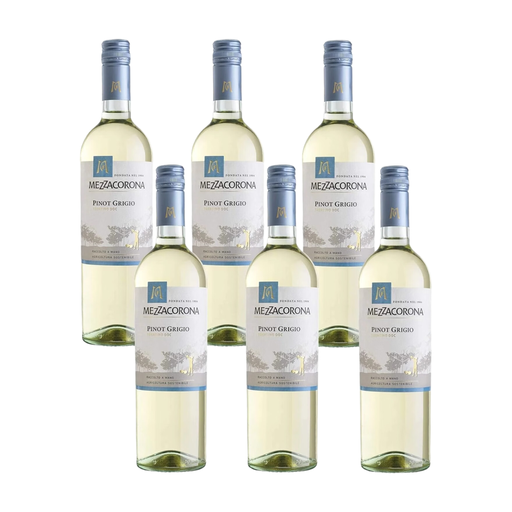
Why it's a great fit: For those who seek the light, fresh, and citrus-forward character of a classic Italian Pinot Grigio. Perfect as an aperitif on warm days or as a companion to light appetisers and seafood.
It resolves the "name game" confusion. The "Pinot Grigio" designation combined with the "Trentino DOC" origin unmistakably promises the light, Italian wine style.
A dry, light, and crisp wine with intense notes of green apple and citrus. The DOC seal (Denominazione di Origine Controllata) guarantees controlled quality and origin.
We've compiled a complete, up-to-date list of products that fully meet these strict selection criteria and German regulations.
Although they are the same grape variety, the name typically refers to the wine's style. Grauburgunder from Germany or Austria is often fuller-bodied, with aromas of ripe fruits, nuts, and almonds. Pinot Grigio from Italy is generally lighter, drier, and fresher, with aromas of citrus and green apples.
Its versatility is one of its greatest strengths.
Most Grauburgunder and Pinot Grigio wines are meant to be enjoyed young and should be consumed within 1 to 3 years of the vintage to preserve their freshness. High-quality wines from excellent sites, especially from Baden or Alsace, can also have a cellaring potential of five years or more. An opened bottle should be tightly sealed, stored in the refrigerator, and consumed within 2-3 days. An opened Bag-in-Box will keep for about 3 to 4 weeks.