
Lieferung heute & morgen

Qualitätsgarantie

Willkommens-Angebote freischalten: KOSTENLOSE Lieferung | Bis zu 80 % RABATT | Kostenlose 30-Tage-JoyPlus-Testphase
App herunterladen
Grauburgunder, also known as Pinot Gris or Grauer Burgunder, is one of Germany's most popular white wines. However, its sheer variety can make choosing a bottle a challenge. The decision between dry or off-dry, a bottle from the Palatinate or Rheinhessen, and various packaging sizes depends on personal preference and the specific occasion.
This article serves as a practical guide. It outlines objective criteria to help you find the right Grauburgunder and presents a selection of wines with distinct characteristics.
To make an informed decision, it helps to understand a few key aspects. The following points provide guidance on identifying the right wine for your palate.
Sweetness is a crucial characteristic. A dry Grauburgunder (trocken) is defined by its pronounced acidity and mineral notes. According to German wine law, it has a low residual sugar content (usually under 9 g/L) and pairs well with robust dishes. In contrast, an off-dry Grauburgunder (halbtrocken) has a noticeable residual sweetness that enhances the fruit aromas and softens the acidity. These wines are often more approachable and are suitable as an accompaniment to lightly spiced dishes or for sipping on their own.
The growing region significantly shapes the wine's character.
The choice of packaging should depend on its intended use.
Here you will find a curated selection of Grauburgunder wines that cater to different profiles and needs.
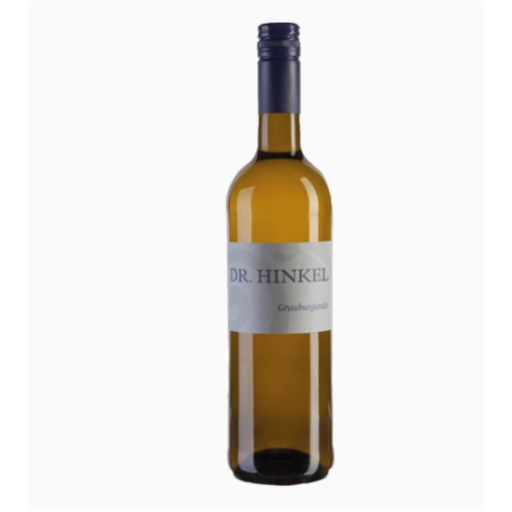
Why This Wine Stands Out The Dr. Hinkel wine from Rheinhessen is a classic quality wine with a harmonious interplay of fruit, acidity, and spice. Its off-dry profile makes it particularly approachable. With an alcohol content of 11.0% ABV, it is a lighter example of its kind.
Highlights
Who is this wine for? This Pinot Gris is an excellent choice for those who prefer an uncomplicated, fruit-forward white wine with mild acidity. It is perfect as an accompaniment to light meals or for a relaxed evening.
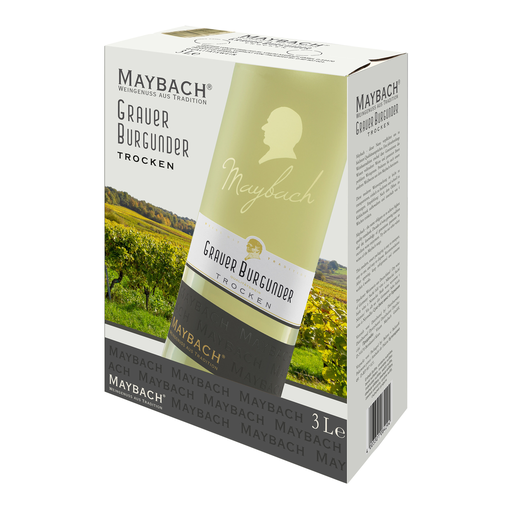
Why This Wine Stands Out The MAYBACH Grauer Burgunder comes in a practical 3-litre bag-in-box. This dry white wine from Germany displays distinct aromas of peach, apple, and a subtle almond note. The packaging is ideal for stocking up and keeps the wine fresh for a long time after opening.
Highlights
Who is this wine for? This wine is aimed at value-conscious buyers looking for a solid everyday wine for parties, barbecues, or regular consumption. The large format is especially practical for households that enjoy wine frequently.
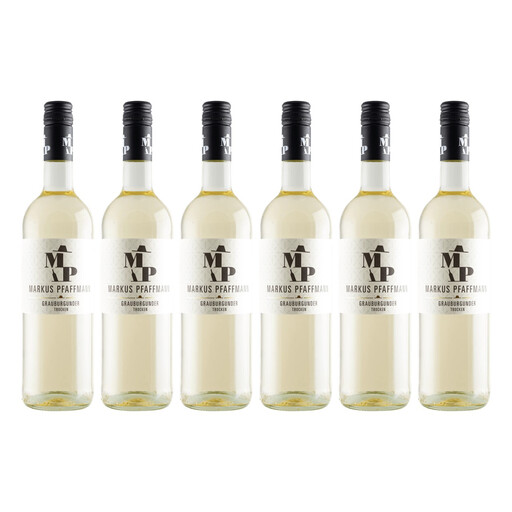
Why This Wine Stands Out The Markus Pfaffmann wine from the Palatinate is a prime example of a modern Grauburgunder full of character. It is grown on calcareous soils, which impart a delicate minerality. With aromas of apple, pear, and herbs, it is direct and balanced. Another key feature is that it is produced as a vegan Grauburgunder. The winery is also a member of Fair’n Green, signalling a commitment to sustainability.
Highlights
Who is this wine for? This case is ideal for wine lovers who appreciate a high-quality, dry, and mineral-driven Grauburgunder from the Palatinate and who value sustainable and vegan production. The 6-bottle case also provides a good supply.
This selection represents just a small glimpse into the world of Grauburgunder. If you are looking for other styles, producers, or different grape varieties, you can find additional options in our comprehensive wine category.
Explore our entire range of wines and beers
There is no difference. All three names refer to the same white grape variety. Pinot Gris is the internationally common French term. Grauburgunder and Grauer Burgunder are the synonymous German names.
White wine like Grauburgunder should be stored in a cool, dark place with a constant temperature. Bottles with corks are best stored on their side. A bag-in-box wine should also be kept cool and consumed within a few weeks of opening to preserve its freshness.
No, Grauburgunder is made in various styles of sweetness. Although the dry style is the most common, there is also a considerable selection of off-dry and, more rarely, sweet or noble sweet (dessert) versions. The designation on the label (e.g., "trocken" for dry or "halbtrocken" for off-dry) will provide this information.