
Lieferung heute & morgen

Qualitätsgarantie

Willkommens-Angebote freischalten: KOSTENLOSE Lieferung | Bis zu 80 % RABATT | Kostenlose 30-Tage-JoyPlus-Testphase
App herunterladen
By the Joybuy Product Recommendation OfficerPublished July 28, 2026
Green markers are essential tools for studying, in the office, and in the workshop. However, the search for the right pen can quickly become overwhelming. All too often, a poor choice leads to smeared documents, ink bleeding through paper, or pens that become unusable after a short time. This guide will help you identify the crucial features and find a green marker that perfectly suits your specific needs.
Before we turn to the solutions, it's important to understand the typical problems that lead to frustration and unnecessary expense:
To avoid these problems, you should check three technical parameters before making a purchase. These will determine whether a marker is suitable for your purposes or not.
The composition of the ink is the most important criterion. There are two basic categories here:
The shape of the tip determines how you can work with the pen:
Not every pen works on every surface. Pay attention to the manufacturer's specifications regarding suitability for materials like paper, film, glass, or metal. In addition, some models offer useful extra features:
Based on these criteria, we have identified some products that are particularly well-suited for specific user profiles.
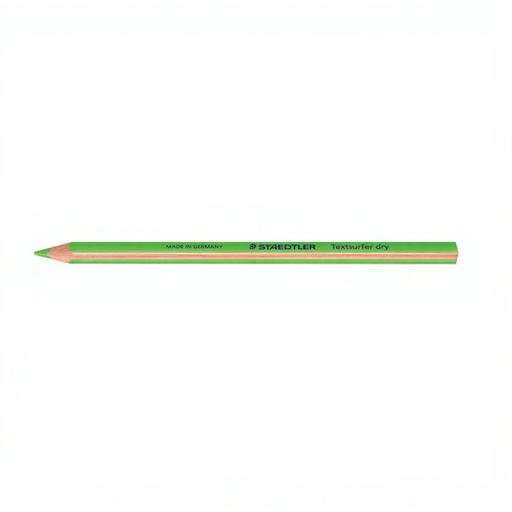
Why This Fits Their Persona: Ideal for marking in textbooks, legal codes, or on Bible pages. The wax-based lead reliably prevents colour from bleeding through to the other side, even on ultra-thin paper.
This pen completely solves the problem of bleed-through as it uses no liquid ink. The wax lead stays on the surface of the paper without soaking in.
Absolutely bleed-proof on all paper types. The ergonomic triangular shape ensures comfortable use. The wood is sourced from FSC-certified, sustainably managed forests.
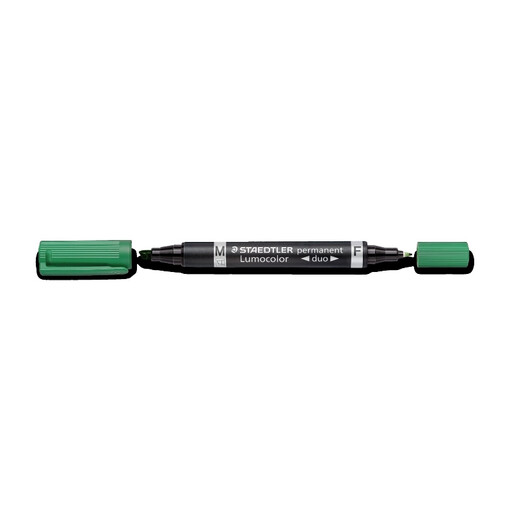
Why This Fits Their Persona: A versatile tool for permanent marking on almost any surface, from office folders to components in a workshop. The dual tips offer flexibility for various tasks.
The ink is smudge-proof and waterproof, adhering reliably to smooth surfaces. This solves the problem of unreliable "universal pens" that smear on plastic or metal.
Two tips (Fine ~0.6 mm and Medium ~1.5 mm) in one pen. The "Dry Safe" feature, according to the manufacturer, allows the pen to be left uncapped for days without drying out.
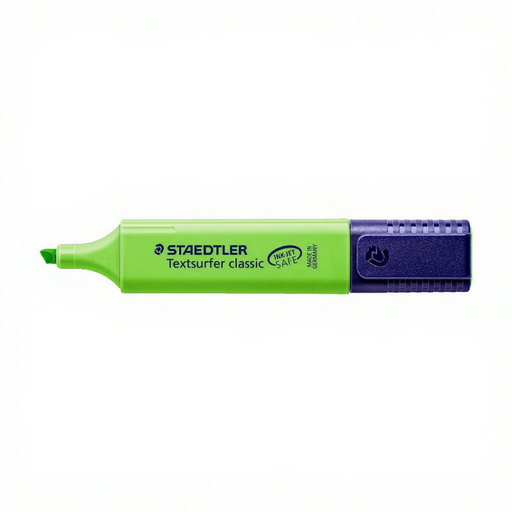
Why This Fits Their Persona: A classic chisel-tip highlighter designed for long-term use. The ability to refill makes it a sustainable and economical choice for anyone who highlights frequently every day.
Instead of throwing away a dried-out pen, this one can be easily refilled. This avoids the cycle of constant repurchasing and reduces waste.
Refillable with the STAEDTLER Refill Station 488 64. The INK·JET SAFE technology, according to the manufacturer, prevents smudging of inkjet printouts.
We've compiled a complete, up-to-date list of products that fully meet these strict selection criteria.
The main difference lies in the ink's durability. The ink of a water-soluble (non-permanent) overhead pen can be wiped off smooth, non-porous surfaces like transparencies or glass with a damp cloth. A green permanent marker, on the other hand, uses waterproof ink designed for permanent labelling, which can only be removed with special solvents like alcohol.
For most markers, especially those with fibre tips, horizontal storage is recommended. This ensures that the ink remains evenly distributed within the pen and prevents the tip from drying out or becoming oversaturated. Always cap the pen tightly after each use, even for models with anti-drying technology.
Yes, non-permanent universal pens like the STAEDTLER Lumocolor Non-Permanent or wax-based pencils like the STAEDTLER Lumocolor Omnichrom are ideal for this purpose. They adhere well to glass surfaces without smudging but can be easily wiped away without a trace using a damp cloth when needed. They are an excellent choice for temporary signs in restaurants, labs, or for creative window decorations.