
Lieferung heute & morgen

Qualitätsgarantie

Willkommens-Angebote freischalten: KOSTENLOSE Lieferung | Bis zu 80 % RABATT | Kostenlose 30-Tage-JoyPlus-Testphase
App herunterladen
Finding authentic Asian foods can be a challenge. The green plum—known as Mei in China and Maesil in Korea—is especially popular for its unique sweet-and-sour flavour profile. But buying online comes with its pitfalls. Many products don't live up to their packaging's promises. This guide will help you avoid common purchasing traps and find products that meet your expectations.
To avoid disappointment, you should check three key criteria. These will help you objectively assess the quality and purpose of a green plum product.
The most important distinction is the product's form. Before buying, clarify whether it's a beverage, a snack, or an ingredient.
The order of ingredients is crucial. If sugar or fructose syrup is listed first, the product is likely very sweet. A high percentage of green plum (sometimes declared as Prunus Mume or Ume) is an indicator of a more authentic flavour experience.
Pay attention to the following terms:
The origin can provide a clue to the flavour profile. Chinese products often emphasize a balance of sweetness and acidity, while Korean Maesil products are known for their refreshing and clean tartness. Traditional production methods, such as a long maceration period for liqueurs, suggest a more complex and less industrial-tasting product.
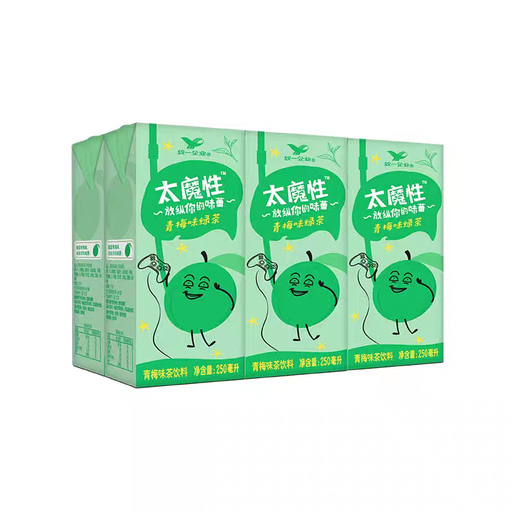
Why it's a great fit: Perfect for anyone curious about the taste of green plum but prefers a straightforward, ready-to-drink product. The combination with green tea makes it a refreshing and accessible everyday beverage.
It's clearly labelled as a ready-to-drink beverage, eliminating any confusion with concentrates. The flavour is balanced and not extreme, countering the pitfall of misleading taste descriptions.
Ready to enjoy, best served chilled. The base of real green tea provides a refreshing note that harmonises well with the fruitiness.
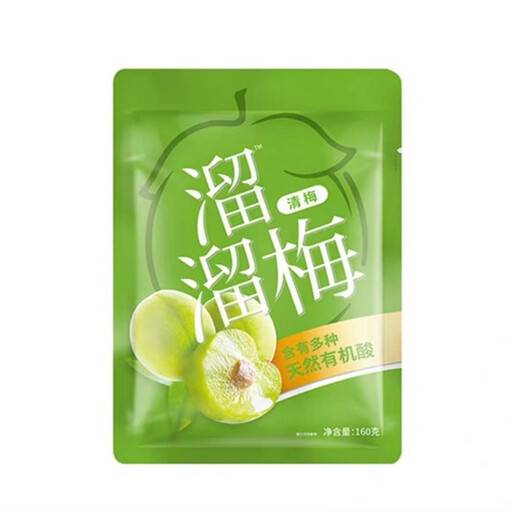
Why it's a great fit: For those seeking the classic Chinese preserved plum snack. This product delivers the typical chewy texture and the stimulating sweet, sour, and salty flavour that is prized as a palate cleanser or an anytime snack.
It is unmistakably a snack (preserved plums). The brand specialises in plum products, which points to a traditional and authentic flavour profile, avoiding the trap of an overly artificial taste.
Offers a classic, lightly preserved plum that balances the fruit's natural tartness with subtle sweetness and saltiness. The texture is pleasantly chewy.
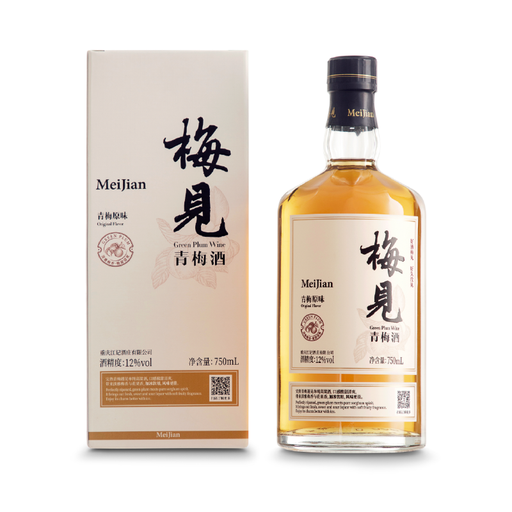
Why it's a great fit: This plum liqueur is an excellent choice for social gatherings or as an accompaniment to Asian meals. At 12% ABV, it is light and versatile—perfect served chilled, on the rocks, or topped with soda.
The product description highlights its traditional production process (a 90-day maceration) and its Baijiu base. This indicates an authentic, balanced flavour rather than a reliance on artificial flavourings.
Versatile serving options. According to the manufacturer, it uses hand-picked Puning plums, known for their thin skin and juicy flesh, resulting in a pure plum taste.
We have compiled a complete, up-to-date list of products that meet our strict selection criteria.
1. Can plum tea concentrate also be used for cooking? Yes, concentrates like Korean Maesil syrup are very versatile. They can be used as a sweetener in salad dressings, as a glaze for meat dishes (especially pork or chicken), or as an ingredient in marinades to add a fruity, tangy note.
2. What is the best way to store opened preserved plums? After opening, preserved plums should be stored in an airtight container in a cool, dry place to maintain their texture and flavour. Refrigeration is not strictly necessary but can extend their freshness, especially for very juicy varieties.
3. Is there a difference between Chinese and Korean plum wine? Although both are based on the green plum, there are differences. Chinese plum wine is often made with a stronger grain spirit like Baijiu, which can give it a more complex, robust aroma. Korean Maesil-ju is typically made with soju and is often lighter and fruitier in taste. However, the terms are not always strictly distinct.