
Lieferung heute & morgen

Qualitätsgarantie

Willkommens-Angebote freischalten: KOSTENLOSE Lieferung | Bis zu 80 % RABATT | Kostenlose 30-Tage-JoyPlus-Testphase
App herunterladen
Green tea is more than just a beverage—it's an integral part of many cultures, prized for its diverse flavour profiles. Yet, the market can be overwhelmingly vast. Anyone looking to buy tea online is often met with flowery marketing promises and a confusing array of choices. The result is frequently a product that disappoints in taste or fails to meet expectations.
As your Joybuy Product Recommendation Officer, I'll help you identify the crucial quality markers. We'll shed light on the most common pitfalls and show you what to look for to find the perfect green tea for your taste and needs.
Before you make a decision, it's important to see through common marketing strategies that often promise more than the product can deliver.
To make an informed purchasing decision, you should focus on objective and verifiable characteristics. The following three points are of central importance.
The choice between loose leaf tea and tea bags largely depends on your personal preferences and desired convenience.
The world of green tea is diverse. The variety and origin are key determinants of the flavour profile.
Since green tea is not fermented, its freshness is crucial for its taste. Look for light- and air-tight packaging. Resealable bags or tins are ideal for preserving the aroma after opening. Fresh green tea has a vibrant colour (from light green to deep green, depending on the variety) and a distinct, pleasant fragrance.
Here are some recommendations from our range, tailored to different needs and flavour profiles.
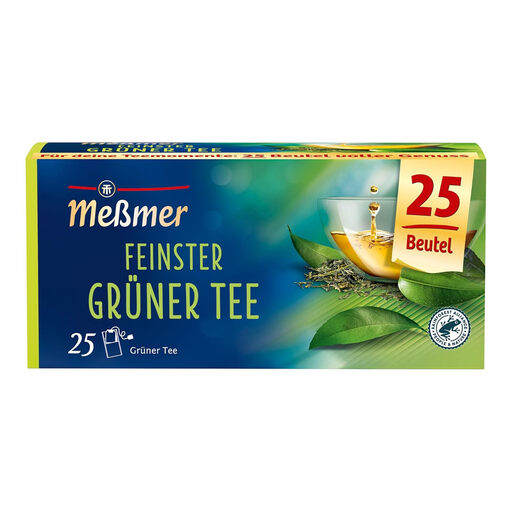
Why This Fits Their Persona: Ideal for tea drinkers who want a straightforward and quick solution for the office or home. The individually wrapped tea bags ensure consistent quality and easy handling without any extra accessories.
This product avoids exaggerated marketing claims and delivers a solid, classic green tea. The brewing instructions are clear and to the point, minimising the risk of a bitter result.
High convenience thanks to pre-portioned bags. Reliable quality from a well-known German brand. Made from unfermented tea leaves for a classic, brisk flavour.
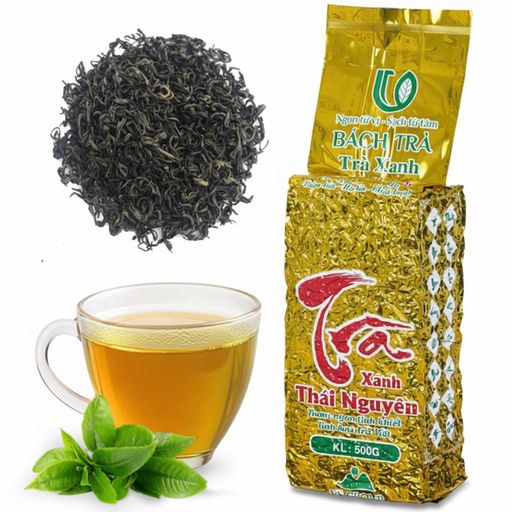
Why This Fits Their Persona: Perfect for connoisseurs who appreciate the ritual of preparing loose leaf tea and value a complex, authentic taste experience. The 500g package offers excellent value for regular enjoyment.
This product avoids the pitfall of a vague origin by clearly stating the growing region (Tan Cuong, Thái Nguyên Province). The description of the leaves ("one bud and two leaves") signals a meticulous selection process.
Authentic loose leaf tea from a specific Vietnamese region. A characteristic flavour profile with a mildly brisk note and a sweet aftertaste. The leaves can be infused 4-5 times.
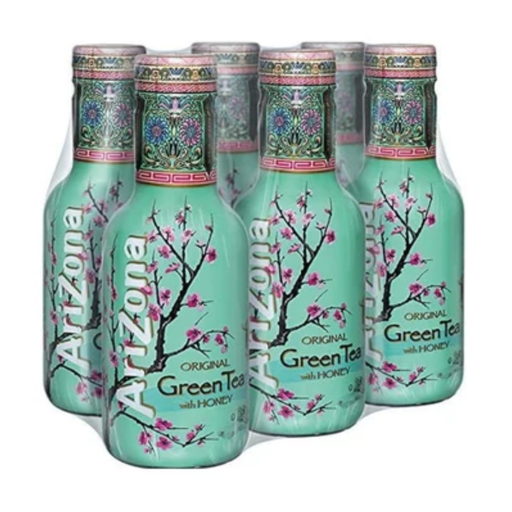
Why This Fits Their Persona: For anyone who wants to enjoy the taste of green tea in a refreshing, ready-to-drink format. This iced green tea is perfect for hot days, after a workout, or as an easy companion for on the go.
The product is clearly declared as a refreshing beverage with honey and sugar, avoiding the false impression of being a pure "health tea." The ingredient list is transparent, specifying the honey and green tea extract content.
Ready to drink and best enjoyed chilled. Contains real honey and green tea extract. The resealable PET bottles are practical for mobile consumption.
We have compiled a complete, up-to-date list of products that fully meet these strict selection criteria.
1. At what temperature should you brew green tea? The ideal water temperature for most green tea varieties is between 70°C and 80°C (158°F and 176°F). Boiling water (100°C / 212°F) can burn the delicate leaves and lead to a bitter taste. A simple method is to let the water cool for about 2-3 minutes after boiling before pouring it over the tea.
2. Can you reuse green tea leaves? Yes, high-quality loose leaf tea in particular can and should be infused multiple times. Often, new flavour nuances unfold with each subsequent infusion. The first infusion is usually the strongest, while the following ones become milder and sometimes sweeter. Shorten the steeping time for the first infusion (approx. 1-2 minutes) and increase it slightly for the subsequent ones.
3. What is the difference between green tea and black tea? The main difference lies in the production process. For green tea, the tea leaves are heated (steamed or pan-fired) after harvesting to prevent oxidation (fermentation). This allows them to retain their green colour and many of their original compounds. Black tea, on the other hand, undergoes a full oxidation process where the leaves react with the air. This gives it its dark colour and its robust, malty flavour.