
Lieferung heute & morgen

Qualitätsgarantie

Willkommens-Angebote freischalten: KOSTENLOSE Lieferung | Bis zu 80 % RABATT | Kostenlose 30-Tage-JoyPlus-Testphase
App herunterladen
Green tea is available in many forms in the UK: Japanese green tea, Sencha tea, Matcha tea, green tea tea bags and ready-to-drink refreshments. The wide choice makes shopping easier, but it can also lead to unsuitable purchases. An eye-catching label says little about whether a product matches your drinking habits.
A ready-to-drink beverage made with green tea extract may also contain sugar, fruit juice, sweeteners or flavourings. If you are specifically looking for unsweetened green tea, you should therefore check the nutritional information and ingredients list. Looking only at the front of the packaging is not always enough.
For comparison: ITOEN Oi-Ocha Green Tea 330 ml lists 0 g of sugar and 0 kcal per 100 ml in its product description. By contrast, Fuze Tea Green Tea Mango Chamomile contains 4.3 g of sugar per 100 ml according to the product information. Both drinks belong to the green tea category, but they appeal to different preferences.
Green tea with lemon, green tea with honey, green tea with mango or a flavoured green tea can offer a varied taste experience. However, what matters is whether the product actually contains fruit juice, honey, flavouring or simply green tea extract. You should therefore check:
A product labelled green tea iced tea is generally ready to drink and does not need to be brewed like loose-leaf tea. It is therefore more of a convenient refreshment than a substitute for a classic cup of Sencha.
Water that is too hot can make the flavour of some Japanese teas seem stronger and more bitter. For example, the Otsuka Do Yunomi Green Tea Bag specifies a water temperature of around 80 °C and a brewing time of 30 to 60 seconds. The amount per bag is also relevant: with 2 g of tea per bag, it is easier to judge the dosage than with blends that do not clearly state this information.
A short ingredients list is helpful if you want a clear, unadulterated flavour. Products such as pure Sencha or Matcha made with 100% green tea contain no added flavourings or sweeteners. With Japanese tea specialities, it is also worth checking the specific variety:
Individually wrapped tea bags are practical for the office, travelling and occasional brewing. According to the manufacturer, they protect the product from moisture and the transfer of odours. Once opened, tea and Matcha should be stored in a cool, dry place away from direct sunlight. As a fine powder, Matcha is particularly sensitive to air and moisture, so an airtight container is a sensible choice.
You should also compare more than just the pack price and look at the usable quantity. A pack of 20 bags is suitable for regular consumption, while a small pack of Matcha may be intended for portioned preparation, latte drinks or baking recipes.
For ready-to-drink green tea, the figures per 100 ml are what matter. For a 500-ml bottle, the values need to be multiplied accordingly. This helps you assess the actual sugar content of a full serving.
The ITOEN Oi-Ocha Matcha Green Tea Pack 330 ml is described as an unsweetened drink and contains Matcha as well as water and green tea extract. By contrast, products such as Volvic Green Tea Mint or Pfanner Green Tea Lemon & Prickly Pear contain sugar according to the product data. A “light” or “refreshing” flavour is therefore not a reliable indication of the nutritional value.

Why this product suits the profile: 15 individually portioned bags, each containing 2 g of Japanese Sencha, are ideal for a daily cup at home, in the office or on the go.
The ingredients and number of bags are clearly stated. The recommended preparation using water at around 80 °C makes the intended use easy to understand.
100% Japanese green tea according to the product information; 15 individually wrapped 2-g bags.
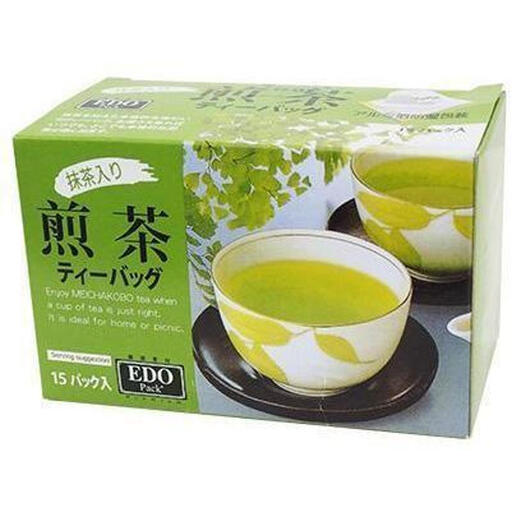
Why this product suits the profile: The pack contains 20 individually wrapped bags with 2 g of pure Japanese Sencha for consistently portioned preparation.
The ingredients list contains green tea only; the product data does not list any additional flavourings or blends.
40 g total contents; origin and production in Japan according to the product description.
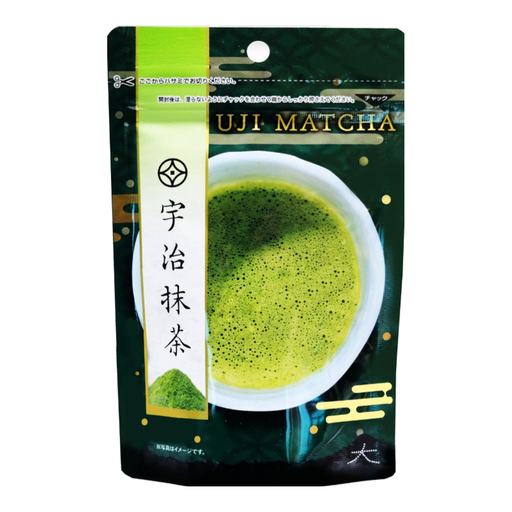
Why this product suits the profile: Matcha fans can use the powder for traditional preparation, Matcha lattes, smoothies or baking recipes.
The product data states 100% green tea and a specific dosage of around 1 g per 100 ml of water.
30-g pack; Matcha powder ground from Tencha according to the product description; suitable for drinks and food.
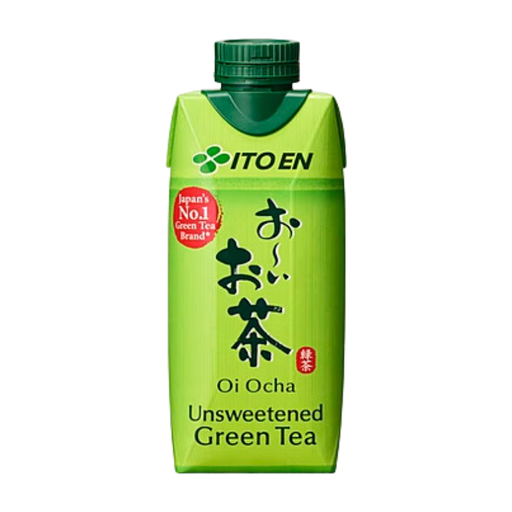
Why this product suits the profile: The ready-to-drink format is ideal for work, train journeys or situations where no kettle is available.
The nutritional information states 0 g of sugar and 0 kcal per 100 ml. This makes it easier to compare with sweetened iced teas.
330-ml bottle; unsweetened recipe according to the product information; consume soon after opening.
We have put together a complete, regularly updated list of products that fully meet these strict selection criteria and the safety regulations applicable in the EU.
For Sencha and other loose-leaf or portioned green teas, the temperature stated on the packaging is the key reference. For delicate varieties, start with a shorter brewing time and then adjust the strength to taste. Matcha is not strained; instead, it is whisked or stirred with water. With Hojicha tea, on the other hand, the roasted flavour takes centre stage, and preparation depends on the instructions on the relevant pack.
Unopened ready-to-drink beverages should be stored according to the manufacturer’s instructions, then refrigerated after opening and consumed soon afterwards. For products containing lemon, mango or honey, it is worth checking the sugar and fruit juice content before buying.
The best-before date is printed on the packaging. Unopened tea should be stored in a dry, cool, dark place away from strong odours. Opened Matcha should be sealed particularly tightly, as moisture and air can affect its flavour.
The exact recommendation depends on the variety and product. A Sencha tea bag may require water at around 80 °C and a brewing time of 30 to 60 seconds. Matcha is often prepared using approximately 1 g of powder and around 100 ml of hot water. The instructions on the relevant packaging remain the most important guide.
This depends on the pack size, number of servings and how much you drink. Tea bags require hot water and usually create less packaging per cup. A ready-to-drink beverage is available immediately, but may cost more per litre because of individual packaging and additional ingredients. Therefore, compare the unit price as well as the sugar and quantity information.