
Lieferung heute & morgen

Qualitätsgarantie

Willkommens-Angebote freischalten: KOSTENLOSE Lieferung | Bis zu 80 % RABATT | Kostenlose 30-Tage-JoyPlus-Testphase
App herunterladen
Green tea is not all the same. Japanese loose-leaf green tea, matcha powder, green tea bags and ready-made iced green tea differ considerably in their ingredients, flavour, caffeine content, preparation and packaging. If you focus only on terms such as “natural”, “fresh” or “premium”, you can easily overlook important information on the label.
This guide explains what consumers in Germany should look out for when buying green tea and which format best suits different lifestyles.
A ready-made green tea beverage may contain sugar, sweeteners, fruit juice, flavourings or acidity regulators in addition to tea infusion or tea extract. That is why you should not rely solely on the front of the packaging. Always check the ingredients list and nutrition table.
For example, according to the product information, Volvic Green Tea Mint contains mineral water, green tea extract and mint flavouring. It provides 21 kcal and 4.9 g of sugar per 100 ml. In a 1.5-litre bottle, the amount adds up accordingly. This is a different product profile from an unsweetened green tea such as ITOEN Oi-Ocha or POKKA Green Tea.
With matcha, the entire tea leaf is processed into a powder. This makes ingredients, origin, intended use and storage particularly important when choosing a product. A product labelled “100% matcha” may be intended for drinks, baking recipes or both. Terms such as “organic” should only be used where the relevant organic labelling or certification can be verified on the packaging.
You should also check the country of origin. HISHIWAEN Uji Matcha 30g and JP Seiki Nakayama Premium Organic Matcha from Japan 30 g are described as originating from Japan. According to the product information, Moyuan Matcha Powder 100g is produced in China and is intended as an ingredient for further processing.
Buying a larger quantity can reduce the unit price, but it is not always suitable for sensitive products. Matcha reacts to light, heat, oxygen and moisture. Once opened, the tin or packaging should be tightly sealed and stored according to the product instructions.
Individually wrapped tea bags can be more practical for regular use at work or while travelling. Sencha tea in a pack of 20 bags is easier to portion than loose powder or an opened bulk pack.
If you are looking for a tea that is as pure as possible, check that it has a short ingredients list. For pure matcha, this might read “100% green tea” or “100% matcha powder”. For ready-to-drink products, it is worth checking the sugar per 100 ml and the serving size.
As a guide:
This makes it easy to identify whether a product is intended as unsweetened green tea, flavoured iced tea or a sweet soft drink.
Japanese green tea is often sold as Sencha, Matcha or a blend. Sencha consists of infused tea leaves and is available in bags or loose-leaf form. Matcha is used as a powder and requires a different preparation method.
According to the product description, HAMASA YUKI Sen Cha Tea 20Bags 40g contains 20 individually wrapped bags of 100% Japanese Sencha. According to the product information, ITO EN Oi Ocha Eco Tea Bag Green Tea contains 95% green tea and 5% matcha. This means that even within the tea bag segment, there are already differences between leaf tea and powdered tea content.
Depending on the product, matcha instructions generally recommend around 1 g of powder and approximately 100 ml of hot water. For delicate varieties, the water should not be boiling; Matcha Powder 30g specifies a temperature of around 80 °C. Sifting the powder finely and whisking it helps prevent lumps.
Tea bags are simpler to prepare. For ITO EN Oi Ocha Eco Tea Bag, the instructions describe a short brewing time of around 30 seconds for hot tea. For cold tea, the bag can be left to infuse in cold water for several minutes. Ready-made drinks can be consumed immediately and are usually best served chilled.
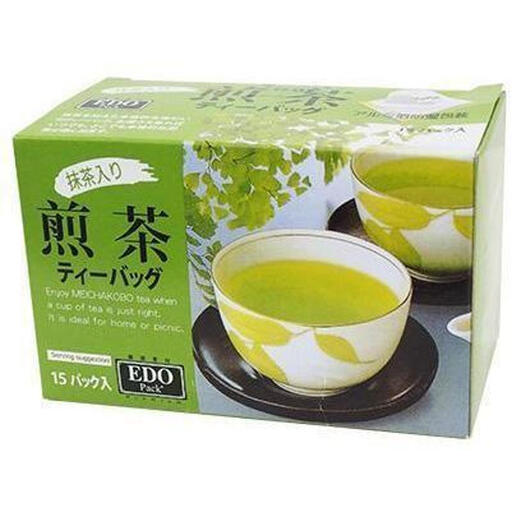
Why this product suits this profile: The 20 individually wrapped bags make it easy to portion the tea at home, in the office or while travelling. The product information states that it contains 100% Japanese Sencha.
The ingredients list is limited to green tea. This clearly distinguishes the product from sweetened tea beverages containing flavourings or fruit juice.
20 bags, 2 g each; the origin and variety are stated in the product information.
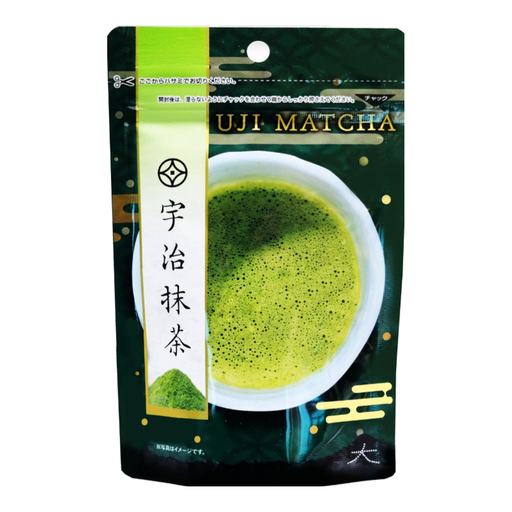
Why this product suits this profile: According to the description, the powder consists of 100% green tea, comes from Uji in Kyoto and is suitable for traditional preparation as well as desserts and baking recipes.
The origin, ingredients and preparation method are clearly described. Buyers can also distinguish between preparing it as a drink and using it in recipes.
30-g pack, Uji stated as the origin, and suitable for use with water, in tea or in baking.
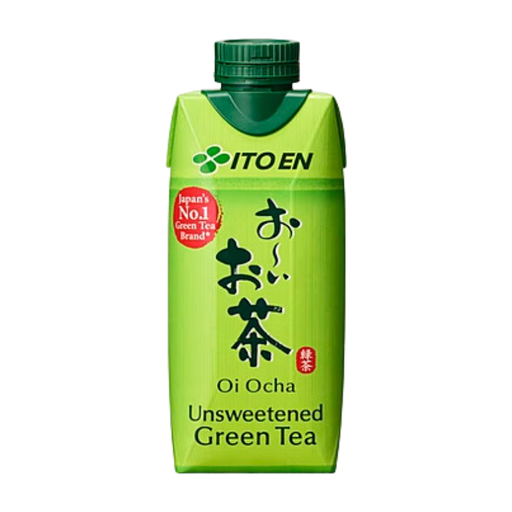
Why this product suits this profile: The ready-to-drink format is ideal for work, days out or keeping in the fridge. According to the product information, it contains 0 g of sugar per 100 ml.
The nutrition information clearly shows how it differs from sweetened iced tea. The drink is ready to consume and requires no brewing time.
330-ml can, ready to drink and, according to the product information, sugar-free; consume soon after opening.
For families, events or stocking up, larger packs such as Volvic Green Tea Mint 6x1.5L or Fuze Tea Green Tea Mango Chamomile 6x1.25L are suitable. Both are ready to drink, but according to the product information they contain sugar or sweeteners. If you prefer the flavour of jasmine tea, flavoured options include Uni-President Jasmine Tea and Nestlé Indian Gooseberry Jasmine Tea. Uni-President Jasmine Tea also carries a caffeine warning.
Before buying, you should therefore compare the following points:
We have put together a complete, regularly updated list of products that fully meet these strict selection criteria and the safety regulations applicable in the EU.
A plain brewed tea generally contains only very small amounts of energy. However, you should still check the nutrition table for ready-made drinks. Products containing fruit juice, honey or sugar can contain considerably more energy, even when “green tea” is prominently displayed on the packaging.
Matcha should be stored in accordance with the manufacturer’s instructions: dry, cool, protected from light and in an airtight container. Once opened, it should be kept away from heat, moisture and oxygen. The specific best-before date is shown on the packaging.
Green tea can contain caffeine. The amount depends, among other things, on the tea variety, quantity of leaves, brewing time and product format. For ready-to-drink products, check the relevant information on the label. Anyone who needs to limit their caffeine intake or is pregnant should check the labelling carefully.