
Lieferung heute & morgen

Qualitätsgarantie

Willkommens-Angebote freischalten: KOSTENLOSE Lieferung | Bis zu 80 % RABATT | Kostenlose 30-Tage-JoyPlus-Testphase
App herunterladen
The search for a suitable at-home hair colour for grey coverage can quickly become overwhelming. Many products promise complete coverage, but the results often fall short of expectations. Instead of a fresh, natural look, the outcome can be an artificial colour tone or hair that feels damaged. To avoid disappointing purchases, it's essential to know the key product features.
Many users invest in products that seem convincing at first glance, only to encounter common problems:
Understanding the fundamental parameters will help you choose a product that avoids these pitfalls and delivers a satisfying result.
Before making a decision, you should consider three key aspects. These are crucial in determining the quality, longevity, and effect of the hair colour.
The longevity of a hair colour is classified in levels. The choice depends on whether you want a temporary or a permanent change.
"100% grey coverage" is a common marketing promise. However, what's crucial is how the grey hair is covered. High-quality products achieve this not with an opaque layer of colour, but with a blend of different pigments. These create multi-dimensional reflects that refract light differently, adapting to the hair's natural play of colour. This allows for a result where grey hair is naturally covered rather than looking painted-on.
Ammonia is an alkaline agent that opens the hair's cuticle layer, allowing colour pigments to penetrate. It is very effective but has a pungent smell and can cause irritation on sensitive scalps.
An ammonia-free hair dye uses alternative alkalising agents like ethanolamine (MEA). These are more odour-neutral and are considered gentler on the scalp and hair structure. Many modern formulas also rely on nourishing oils that condition the hair during the colouring process, adding more shine. For those who regularly dye their hair at home, this can be a key factor in maintaining long-term hair quality.
Based on these criteria, we have compiled a selection of products suitable for different user profiles and requirements.
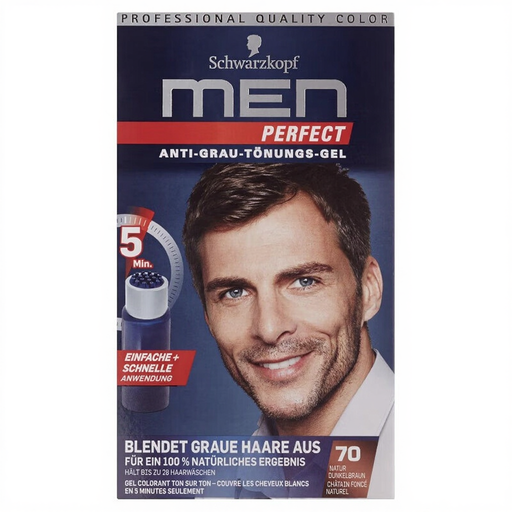
Why This Fits Their Persona: Ideal for men and women looking for a straightforward and fast solution. The gel formula is specifically designed to subtly camouflage grey hair rather than completely covering it, which promotes a very natural-looking result.
The formula is designed as a semi-permanent colour and avoids the "helmet effect" by blending naturally with the existing hair colour. Its longevity of up to 28 washes prevents a rigid, long-term commitment.
Very short processing time of just 5-10 minutes; easy application thanks to the speed applicator.
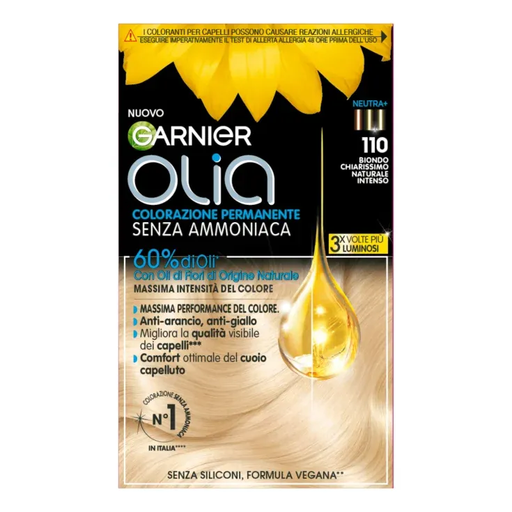
Why This Fits Their Persona: For anyone who wants effective grey coverage while also prioritising hair care. The formula is designed for a gentle application and a comfortable feeling on the scalp.
Directly counteracts the problem of damaged hair. The ammonia-free formula, which consists of 60% oils according to the manufacturer, nourishes the hair during colouring and visibly improves its quality.
Ammonia-free hair colour; oil-based technology for intensive care and shine; pleasant floral scent.
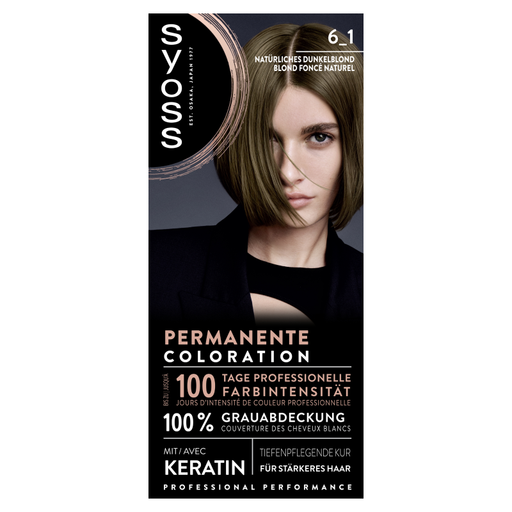
Why This Fits Their Persona: Suitable for users with a high percentage of greys who are looking for a reliable and long-lasting permanent colour. The formula is designed for intense colour results and maximum longevity.
Addresses the problem of rapid fading. The technology aims to seal colour pigments deep within the hair, which the manufacturer claims provides up to 100 days of colour intensity. The keratin treatment also smooths the hair's surface.
Offers up to 100% grey coverage; formula for long-lasting colour intensity; includes a deep conditioning treatment with keratin.
We have compiled a complete, up-to-date list of products that fully meet these strict selection criteria and German safety regulations.
With a permanent colour (Level 3), the frequency depends on your individual hair growth. On average, touching up the roots every 4 to 6 weeks is recommended. With a semi-permanent colour (Level 2), the colour gradually washes out, creating a softer transition. In this case, you can re-colour after about 20 to 28 shampoos, depending on the desired colour intensity and percentage of grey.
Yes, it's possible. The key is choosing the right shade and product. Select a shade that is no more than one to two levels different from your natural hair colour. Products with multi-dimensional pigments or reflect technologies help to avoid the artificial "helmet effect." Also, follow the application instructions carefully, especially when treating previously coloured lengths and ends.
The main difference often lies in the marketing, shade selection, and application. Hair dye for men is often designed as a tinting gel with a shorter processing time and applicators like brushes or combs to allow for quick and subtle use. The colour selection usually focuses on natural tones. Chemically, however, the fundamental mechanisms for colouring hair are very similar. Therefore, many products can be used by anyone, regardless of gender, as long as the desired shade and product features are a good fit.