
Lieferung heute & morgen

Qualitätsgarantie

Willkommens-Angebote freischalten: KOSTENLOSE Lieferung | Bis zu 80 % RABATT | Kostenlose 30-Tage-JoyPlus-Testphase
App herunterladen
A high-quality grill pan brings the signature aroma and classic grill marks of a barbecue straight to your kitchen—whatever the weather. But the market is saturated, and many products fail to deliver on their promises. Before you make a decision, it's crucial to understand the common pitfalls that often lead to disappointment and an unnecessary hole in your wallet.
As your Joybuy Product Recommendation Officer, I'll help you separate the wheat from the chaff. We'll focus on the facts and technical features that truly matter, so you can make an informed choice.
Many buyers are swayed by marketing promises that quickly fall short in practice. Pay close attention to these three points to avoid making a bad purchase:
To avoid these problems, you should focus on three core technical aspects. These define the performance and longevity of your future grill pan.
The material is the most important factor for the grilling result. Each has specific advantages and disadvantages.
The shape affects the usable cooking surface and the grilling results.
Ensure the pan is suitable for your kitchen.
Here are three recommendations tailored to different user profiles and the quality criteria mentioned above.
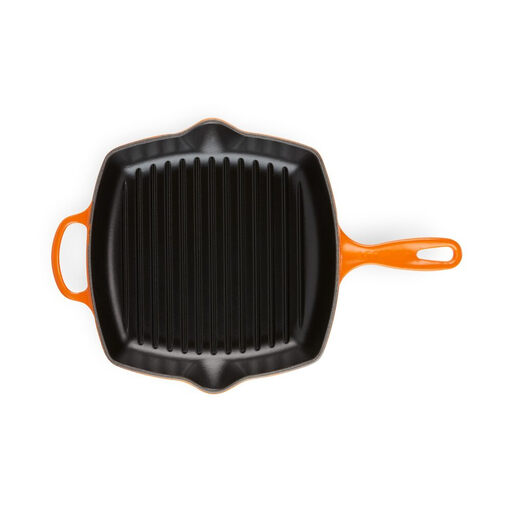
Why This Fits Their Persona: Ideal for home cooks who invest in durability and uncompromising performance. The enamelled cast iron delivers professional grilling results for steaks and vegetables, while also making an aesthetic statement in the kitchen.
The solid cast iron construction guarantees absolutely even heat distribution. The high-quality enamel is extremely durable, requires no seasoning, and actually improves with use.
Excellent heat retention for high-heat searing. Suitable for all hob types, including induction, and fully oven-safe.
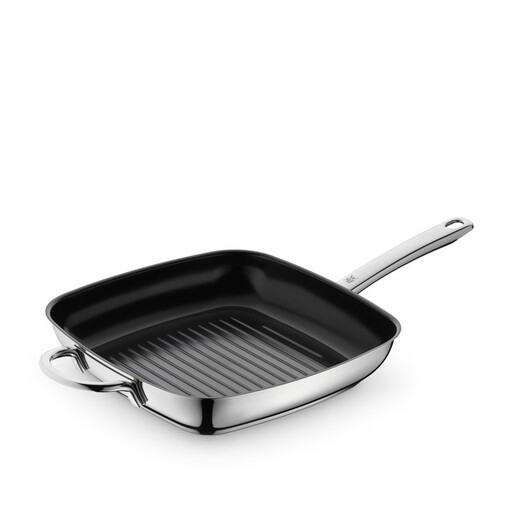
Why This Fits Their Persona: For users seeking a robust, versatile, and low-maintenance pan for daily use. The large, square shape and ceramic coating are perfect for meat, fish, and plenty of vegetables.
According to WMF, the CeraDur ceramic coating is heat-resistant up to 400°C, making it more robust than simple PTFE coatings. The TransTherm universal base ensures good heat conduction and full induction compatibility.
A combination of durable Cromargan stainless steel and a heat-resistant ceramic coating. Large cooking surface and oven-safe up to 260°C.
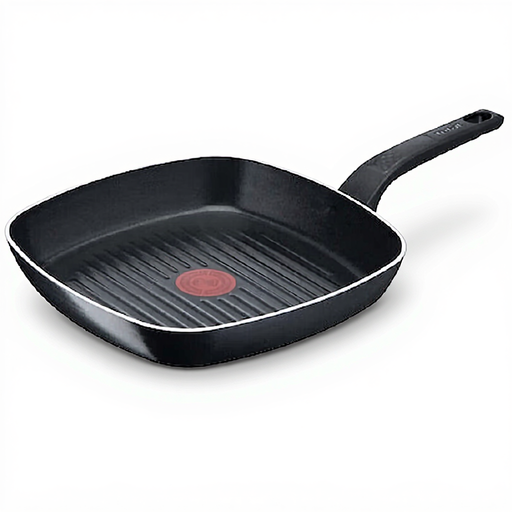
Why This Fits Their Persona: A straightforward and affordable option for anyone wanting to try indoor grilling without a big investment. The focus here is on easy handling and cleaning.
The integrated Thermo-Spot temperature indicator helps prevent overheating. This is the most common cause of damaged non-stick coatings and significantly extends the pan's lifespan.
Very easy to clean thanks to its full non-stick coating. The Thermo-Spot indicates the optimal starting temperature for cooking.
We have compiled a complete, up-to-date list of products that fully meet these strict selection criteria and all relevant safety standards.
Proper care is crucial for longevity, especially with cast iron. After use, let the pan cool down almost completely. Remove coarse residue with a wooden or plastic scraper. Then, clean the pan with a brush and hot water. Avoid harsh detergents or steel wool, as this can damage the patina (natural non-stick layer) on raw cast iron or the enamel. Dry the pan thoroughly immediately and, for un-enamelled models, rub the inside with a thin layer of cooking oil.
A higher price often correlates with higher-quality materials and better craftsmanship. More expensive pans, especially those made of enamelled cast iron, offer superior heat retention and distribution, leading to more even and better grilling results. They are generally more durable, won't warp at high temperatures, and their enamel or ceramic coatings are more resilient than simple PTFE coatings. Such an investment can pay off for years, whereas cheaper models often need to be replaced after a short time.
In principle, yes, as long as the pan is marked as "induction-compatible." However, for optimal performance, there are two things to consider: The diameter of the pan's base should match the size of the cooking zone as closely as possible. A pan that is too large won't get properly hot at the edges, while a pan that is too small may not be detected by the hob. Additionally, the efficiency of very heavy cast iron pans might be slightly reduced on some induction hobs, but the performance is typically more than sufficient for excellent grilling results.