
Lieferung heute & morgen

Qualitätsgarantie

Willkommens-Angebote freischalten: KOSTENLOSE Lieferung | Bis zu 80 % RABATT | Kostenlose 30-Tage-JoyPlus-Testphase
App herunterladen
Ground coffee is convenient because it saves you the job of grinding before brewing. At the same time, the huge range on the shelves can easily lead to a bad buy: a pack might not suit your brewing method flavour-wise, the roast could be too intense, or the aroma fades after opening. The following criteria will help you compare filter coffee, ground Arabica coffee and Italian coffee in a practical way.
A dark roast often tastes more bitter, spicier or fuller-bodied. However, you can’t automatically assume it has a higher caffeine content. The actual strength in your cup depends on factors such as the bean blend, dosage and brewing method. If you’re after a bold flavour, pay attention to the roast profile and bean composition rather than just the intensity rating on the front of the pack.
Ground coffee meant for a filter machine isn’t automatically suitable for a moka pot or an espresso portafilter. Powder that’s too fine can block the flow, while a grind that’s too coarse can produce a watery result with certain brewing methods. Labels such as “for filter coffee”, “for moka” or “espresso ground” are therefore important guides.
A 500 g bag of coffee can make sense if you drink it regularly. But if you take a long time to use it up, the powder gradually loses its aroma after opening. For a small household or occasional coffee drinker, 250 g packs can be more practical. What matters is the seal, the packaging and how you store it after opening.
Arabica beans are often associated with a milder, more aromatic profile. Robusta can add more body and a bolder note to a blend. One example is Jacobs Krönung Balance Ground Coffee 500g, whose product details mention a combination of Arabica and Robusta. If you prefer 100% Arabica, options such as Dallmayr Prodomo, Lavazza Qualità Oro or Bialetti Perfetto Moka Pregiato are suitable choices with clearly stated Arabica characteristics.
A mild coffee aroma is often supported by a lighter roast and a balanced profile. Darker roasts, on the other hand, are usually perceived as stronger, spicier or more intense. The flavour description should match your preferred brewing method:
According to the product description, Bialetti Perfetto Moka Pregiato is 100% Arabica, light roasted and has an intensity of 5. Lavazza Crema e Gusto is described as a blend of 70% Robusta and 30% Arabica, and is marketed as a strong, dark blend for espresso.
With organic coffee, check for the relevant organic certification mark or the specific control body code on the product page or packaging. Café Intención Aromatico Organic Ground Coffee 500 g is listed with organic certification, the code DE-ÖKO-003 and Fairtrade information. A seal describes the certification in question, but it’s not a general promise about personal taste.
For everyday use, these details are also important:
Why this product fits the profile: The 500 g pack is suitable for households that regularly make filter coffee and prefer a classic medium roast.
The stated suitability for filter coffee machines reduces the risk of choosing an unsuitable grind for your daily brew.
500 g content, medium roast and clear brewing instruction for filter coffee.
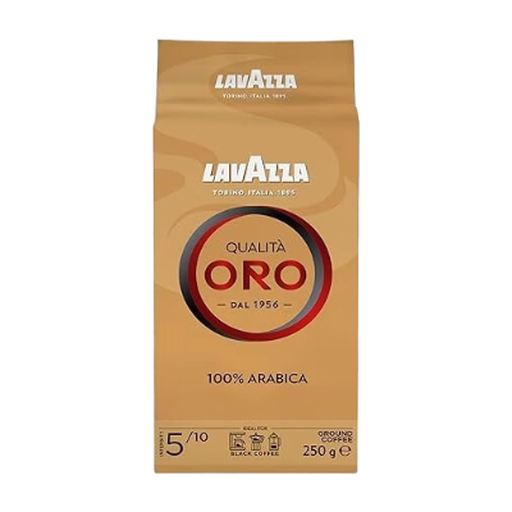
Why this product fits the profile: The stated 100% Arabica blend and the smaller pack appeal to coffee drinkers who want to choose a fruity, floral profile with care.
The details on bean type and flavour notes make the selection more transparent, rather than just relying on a generic quality claim.
100% Arabica according to the product information, 250 g content, plus sweet, fruity and floral notes.
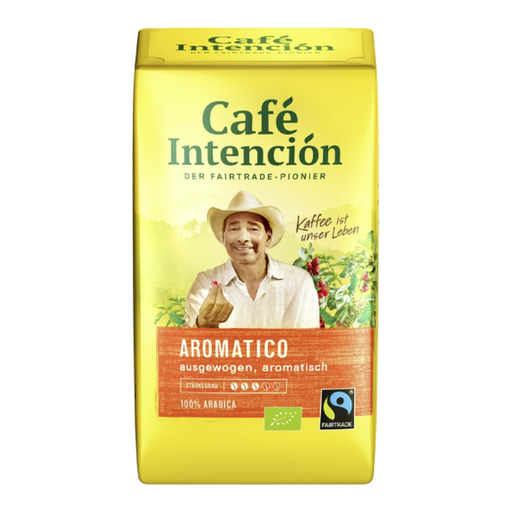
Why this product fits the profile: The 500 g pack is ideal for regular filter coffee; the organic and Fairtrade credentials are relevant for buyers with specific shopping standards.
The product details mention organic, Fairtrade and the control body DE-ÖKO-003. These specific claims are more verifiable than a vague sustainability statement.
500 g content, ground Arabica coffee, plus stated organic and Fairtrade features.
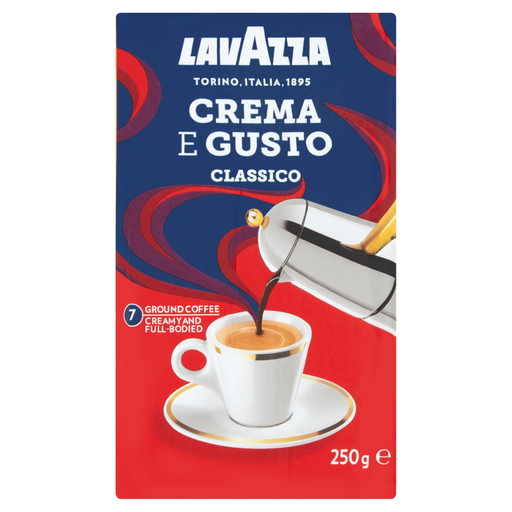
Why this product fits the profile: The described Robusta-Arabica blend and the dark roast are aimed at users of moka pots or espresso makers who prefer an intense profile.
The stated blend ratio of 70% Robusta and 30% Arabica, along with the recommendation for espresso, allows you to choose based on objective features.
250 g content, dark roast, Robusta content and resealable packaging according to the product details.
We’ve put together a full, regularly updated list of products that fully meet these strict selection criteria and the safety regulations in force in the EU.
For a filter machine, around 6 to 8 g of coffee grounds per 150 ml of water is often recommended. The exact dosage depends on your taste, the machine and the product you’re using. With a French Press, the grind shouldn’t be too fine, so the grounds can be easily separated from the drink afterwards.
After opening, the pack should be sealed tightly and stored in a cool, dry place. Direct sunlight, moisture and strong temperature fluctuations can affect the flavour. The grounds should also not be kept permanently next to strongly scented foods.
The best-before date applies to the unopened packaging. After opening, ground coffee gradually loses its aroma depending on the packaging and storage conditions. An airtight, dry and light-protected container can help preserve the quality for longer. For small households, 250 g packs can better match consumption to actual needs.
A product that is explicitly labelled for filter machines or filter coffee is suitable. Jacobs Filterkaffee Klassisch, Dallmayr Prodomo Mild, Dallmayr Prodomo and Melitta Harmonie Mild are listed in the product details for this brewing method. You should also make sure the roast level and flavour match your personal preference.
That depends on the pack size, brand, offers and your consumption. Ground coffee saves you buying and using a coffee grinder. Coffee beans, on the other hand, allow you to grind them fresh just before brewing. When it comes to the cost per cup, factors beyond the pack price include dosage, waste and the amount you don’t manage to use up in time after opening.