
Lieferung heute & morgen

Qualitätsgarantie

Willkommens-Angebote freischalten: KOSTENLOSE Lieferung | Bis zu 80 % RABATT | Kostenlose 30-Tage-JoyPlus-Testphase
App herunterladen
Ground spices are part of the basic equipment in many German kitchens. Ground pepper, paprika, ground cinnamon and ground cumin can be measured quickly and are suitable for soups, sauces, marinades, meat, fish, vegetables and baked goods. At the same time, spice powders vary considerably in terms of ingredients, pack size, grind and storage.
Anyone who focuses only on terms such as “intense aroma” or “premium quality” may overlook important details. The following criteria will help you compare ground spices objectively and choose the right products for your own consumption.
Not every product named after a spice consists solely of that ingredient. For example, a cumin product may also contain flour, salt, other spices or flavour enhancers. The ingredients list is therefore essential for allergy sufferers and anyone who wants to control the flavour themselves.
Look for information such as “100% ground spice”. For blends, every individual ingredient should be clearly listed. This also applies to Asian spices such as five-spice powder or chilli powder blends.
Ground spices gradually lose their aroma after opening, particularly when exposed to heat, moisture, light and frequent contact with air. A 400-g pack may make sense for frequent users, but it may be too large for occasional cooks. The key question is whether the quantity can be used within the recommended storage period.
It is therefore worth comparing the price per 100 g, while also taking consumption, shelf life and the packaging seal into account.
A strong colour alone says nothing about the overall flavour. Paprika powder may be mild, fruity, smoked or considerably hotter. With chilli powder, perceived heat depends on factors including the variety, grind and quantity used. The product description should therefore state not only the colour, but also the variety and intended use.
For individual spices, short ingredients lists are a useful point of reference. Examples from the selection include:
Additional information such as “May contain traces of …” should be taken into account if you have existing allergies. The current packaging information is always decisive.
A fine powder distributes evenly through sauces, soups and marinades. For certain dishes, a coarser chilli powder may be more suitable, for example for kimchi, chilli oil or toppings. Ground star anise and five-spice powder are generally used sparingly in slow-cooked dishes, marinades and Asian sauces.
When it comes to pepper, fine pepper powder can be measured evenly, while freshly ground peppercorns create a different mouthfeel. Ground pepper is particularly practical when you want to season quickly while cooking, without using a grinder.
Small packs of approximately 24 to 50 g are suitable for spices used slowly, such as ground nutmeg, ground star anise or Sichuan pepper. Larger packs may be worthwhile for products used daily, such as cumin or paprika.
Store ground spices:
A date on the packaging provides guidance. If the product shows signs of moisture, clumping or a noticeably changed smell, it should no longer be used.
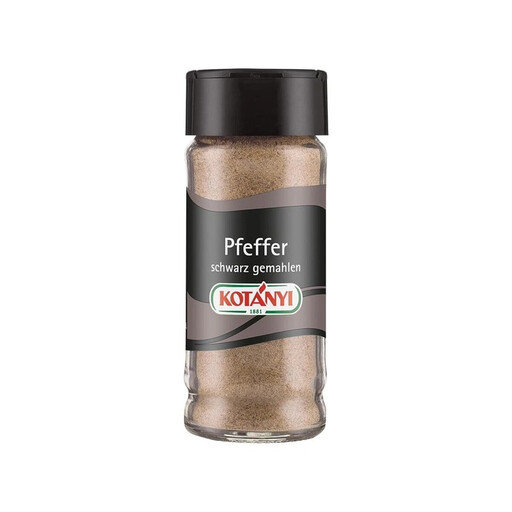
Why this product suits this profile: The 36-g pack offers a manageable quantity for everyday cooking and is ready to use straight away. According to the product information, it is suitable for meat, fish, vegetables, soups and sauces.
The ingredients information lists black pepper as the sole ingredient. This clearly distinguishes it from a seasoned blend.
100% ground black pepper according to the product information; 36 g net quantity; storage in a dry place protected from light is recommended.
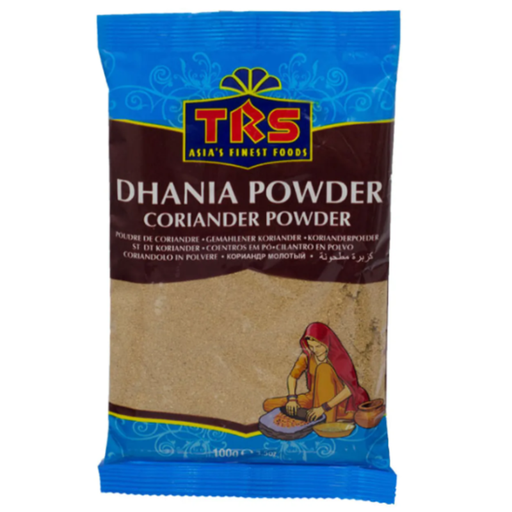
Why this product suits this profile: The 100-g pack is designed for curries, marinades, soups and spice blends, making it suitable for cooking international dishes regularly.
The product information states that it contains 100% ground coriander. Storage instructions recommending an airtight container help protect the aroma.
100% coriander according to the ingredients information; 100 g net quantity; intended for Indian and Middle Eastern recipes.
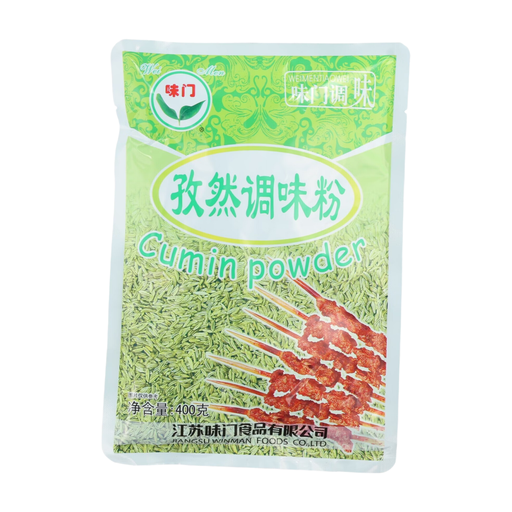
Why this product suits this profile: The large pack is aimed at households or kitchens that regularly use cumin in curries, rice dishes, marinades, meat and vegetables.
Unlike the 30-g version, the ingredients list here identifies cumin as the sole ingredient. The pack size should only match your actual consumption.
400 g net quantity; 100% cumin according to the product information; airtight sealing after opening is recommended.

Why this product suits this profile: Sichuan pepper complements hotpot, stir-fries, marinades and dipping sauces. The small tin is ideal when this spice is used selectively and sparingly.
The ingredients information lists Sichuan pepper as a single ingredient. The 24-g quantity reduces the risk of storing a speciality spice that is only used occasionally for too long.
24 g net quantity; ground Sichuan pepper; according to the product information, suitable for soups, stir-fries and marinades.
We have put together a complete, regularly updated list of products that fully meet these strict selection criteria and the safety regulations applicable in the EU.
For sweet recipes, ground cinnamon and ground nutmeg are excellent choices. According to the product information, Kotányi Ground Cassia Cinnamon 50 g is intended for baked goods, desserts, hot drinks and spice blends. For savoury dishes, paprika powder, turmeric powder, coriander powder and cumin are all good options.
Anyone preparing Asian recipes can also use ground star anise, Sichuan pepper or a five-spice blend. With every blend, check whether it contains salt, flour or flavour enhancers. For Korean dishes, coarsely ground red chilli powder may be more suitable than a very fine chilli powder.
The best-before date is shown on the packaging. After opening, practical usability depends mainly on storage, moisture, light and contact with air. An airtight container kept in a dry, dark place helps protect the aroma.
Paprika powder is often available in mild, fruity or smoked varieties. Chilli powder generally comes from hotter pepper varieties and may vary in fineness depending on the product. The exact level of heat cannot be judged by colour alone; the ingredients list and product description provide better guidance.
Online, you can compare the ingredients, allergens, net quantity and intended use of different products directly. The wider selection can be particularly helpful for Asian, Indian and Middle Eastern spices. Before buying, you should take delivery costs, pack size and your expected consumption into account.