
Lieferung heute & morgen

Qualitätsgarantie

Willkommens-Angebote freischalten: KOSTENLOSE Lieferung | Bis zu 80 % RABATT | Kostenlose 30-Tage-JoyPlus-Testphase
App herunterladen
In a digitally-driven work environment, the handwritten word holds a special significance. A premium writing instrument is more than just a tool—it is an expression of style, an appreciation for craftsmanship, and a companion for important moments. Whether for signing a contract, capturing thoughts, or as a thoughtful gift, choosing the right pen requires consideration. This guide will help you understand the features and differences between various models to make an informed decision.
The search for the perfect pen can seem complex given the variety of brands, materials, and mechanisms. Focusing on a few key aspects simplifies the process considerably.
The most fundamental decision concerns the writing system. Both options have specific characteristics that make them ideal for different purposes.
Designer pens are distinguished by a thoughtful combination of aesthetics and ergonomics. The material influences not only the weight and durability but also the feel in the hand (haptics).
The nib grade determines the line width of the script. The most common grades are:
Based on functionality, design, and material quality, we have curated a selection of models that cater to different needs and preferences.
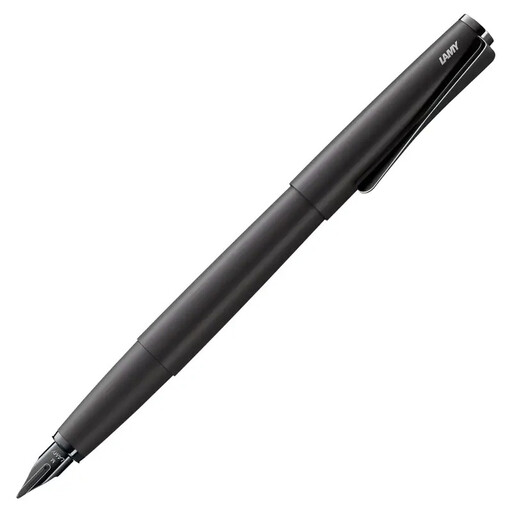
Why it stands out: The Lamy Studio Lx in the "All Black" edition combines a purist aesthetic with thoughtful functionality. The design is distinguished by its propeller-shaped, polished metal clip, which contrasts with the matte black lacquer of the body. The black stainless steel nib is PVD-coated, which increases its durability.
Advantages:
Who is it for? For writers who want to make a statement and prefer a powerful, broad script for their signature or creative writing. Also for design enthusiasts seeking a functional yet aesthetically pleasing writing instrument.
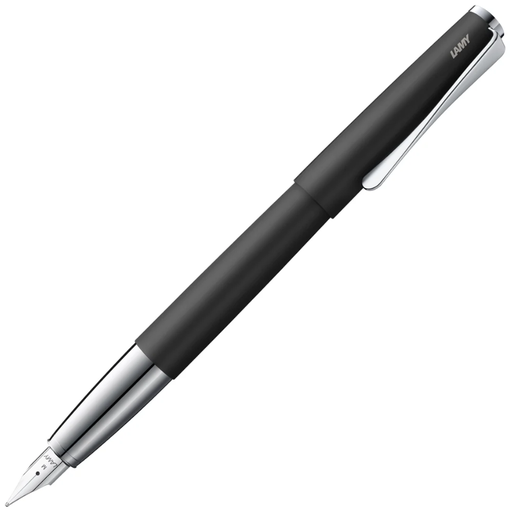
Why it stands out: This model shares the award-winning design of the Lamy Studio Lx but is equipped with a fine nib. The line width of 0.5 mm allows for very precise writing. Despite its stainless steel body, the fountain pen is relatively light and well-balanced at 30 grams.
Advantages:
Who is it for? For professionals, students, and anyone who writes a lot daily and values a clean, precise script. It is a practical yet stylish tool for continuous use.

Why it stands out: As part of the "Global Icons" special edition, this Parker Jotter is a homage to the Sydney skyline. The barrel is laser-engraved with the famous Opera House. The high-gloss blue lacquer symbolises Sydney Harbour, while the brushed stainless steel cap adds a modern accent.
Advantages:
Who is it for? For collectors of special editions, world travellers, and anyone looking for a reliable and stylish ballpoint pen with a special story. It is an ideal gift for those who appreciate both design and functionality.
A premium writing instrument is a long-term investment. The availability of matching refills or cartridges is therefore crucial. If you are looking for replacement refills for your ballpoint pen or wish to compare more models, you will find a suitable selection in our Ballpoint Pen Refills category.
1. What makes a pen a "premium writing instrument"? A premium writing instrument is defined by several factors: the quality of the materials used (e.g., stainless steel, precious resin, lacquers), the precision of the craftsmanship (e.g., tolerances, mechanics), the ergonomics and haptics, and the quality of the writing system itself. For a fountain pen, this is the nib; for a ballpoint pen, it's the ink flow and ball mechanism.
2. Is a fountain pen suitable for daily use? Yes, modern fountain pens like those from Lamy are perfectly suitable for everyday use. While they require a bit more attention than a ballpoint pen (e.g., refilling ink), they reward this with an unparalleled gliding sensation that relieves strain on the hand muscles. Using quick-drying ink can also minimise smudging.
3. How do you properly care for a Lamy fountain pen? For a long lifespan and consistent writing performance, it is recommended to clean the fountain pen regularly, especially when changing ink colours. To do this, rinse the nib and feed under running, lukewarm water until the water runs clear. Then, let the parts air dry completely. When not in use, the cap should always be on to prevent the ink from drying in the nib.