
Lieferung heute & morgen

Qualitätsgarantie

Willkommens-Angebote freischalten: KOSTENLOSE Lieferung | Bis zu 80 % RABATT | Kostenlose 30-Tage-JoyPlus-Testphase
App herunterladen
A robot vacuum with a mopping function and a fully automatic cleaning station promises the ultimate in convenience: floors that practically clean themselves. However, the market is flooded with devices whose advertised features often fail to deliver in practice. Before you make a purchase, it's crucial to understand the technical specifications that separate genuine value from mere marketing promises. This guide highlights the decisive criteria and helps you avoid common purchasing pitfalls.
The idea of a completely autonomous cleaning assistant is alluring. In reality, however, overlooked design flaws often lead to frustration and the need for manual touch-ups. Three problems are particularly common:
To avoid these problems, you should carefully examine three core technical areas. These define the true autonomy and cleaning performance of a modern robot vacuum and mop.
The station is the heart of the automation. Look for a system that does more than just empty dust. A high-quality station should integrate the following functions:
The robot's ability to move intelligently and seamlessly through your home is fundamental.
The mechanical cleaning tools determine the final result, especially when dealing with specific challenges.
Based on these objective criteria, we have identified several models that offer a suitable solution for different household profiles.
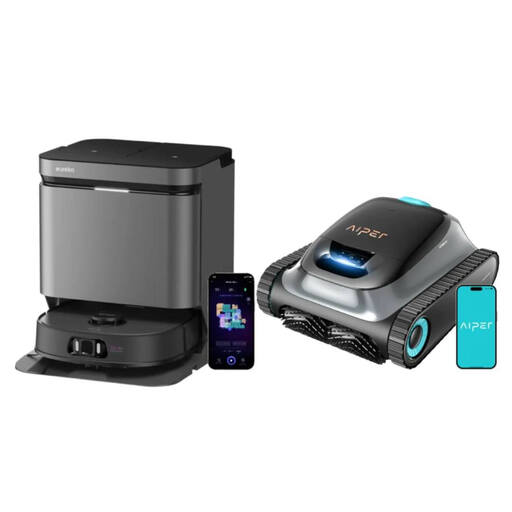
Why it's a match: This model is tailored to the challenges of households with pets. Its high suction power and special brush technology are designed to pick up pet hair and fine dirt. The AI-powered dirt detection also intelligently adapts the cleaning process.
The FlexiRazor Anti-Tangle Technology directly counters the problem of tangled brushes. The ScrubExtend Technology for the extendable mop solves the edge-cleaning issue, while the 75°C Hot Water Mop Washing ensures hygiene.
The combination of high suction power (16,200 Pa, according to the manufacturer), a special anti-hair brush, and AI-powered dirt detection provides a focused solution for challenging conditions.
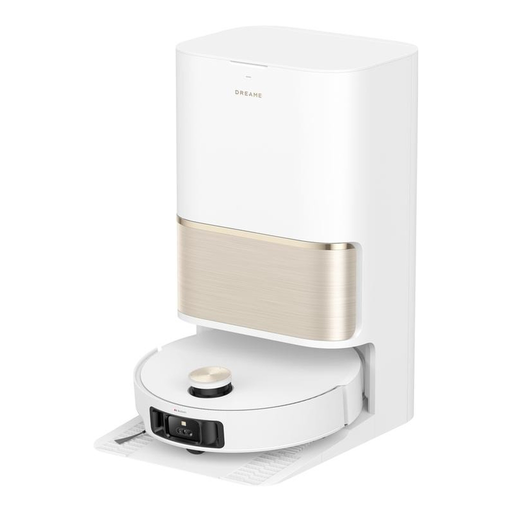
Why it's a match: For users who want a nearly maintenance-free cleaning solution and live in a home with low-profile furniture. The L50 Pro Ultra combines a fully-equipped station with advanced navigation and mechanical edge cleaning.
The Dual Flex Arm Technology extends both the side brush and the mop, solving the edge-cleaning problem. The VersaLift Navigation with its retractable sensor enables cleaning under furniture as low as 89.5 mm. The station's 75°C hot water washing and drying prevent hygiene issues.
The combination of a retractable navigation sensor for low furniture and mechanically extending cleaning tools for corners delivers superior coverage in complex living spaces.
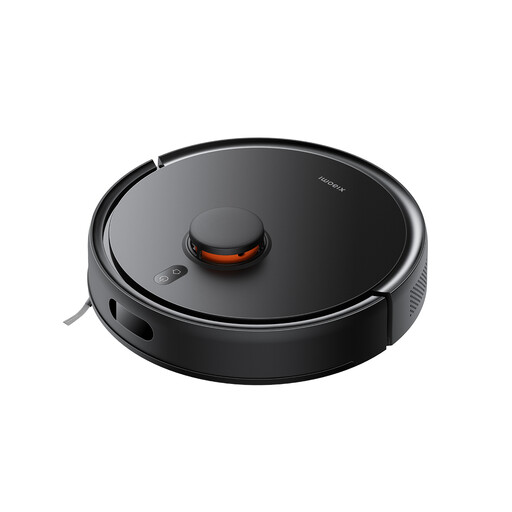
Why it's a match: For users who want reliable vacuuming and mopping performance with smart navigation but can forgo a fully automatic cleaning station. It offers a solid foundation for automated floor care at a more accessible price point.
Although it lacks a fully automatic station, this model avoids the pitfall of unstructured cleaning thanks to its precise LDS Laser Navigation. It creates accurate maps and cleans systematically rather than moving randomly, ensuring foundational efficiency.
Offers a proven combination of solid suction power (5,000 Pa, according to the manufacturer) and precise LDS navigation with app control, including no-go zones and room planning.
The world of smart robot cleaners is constantly evolving. If you want to compare more models selected based on objective performance criteria and functionality, you can find a comprehensive overview here.
The maintenance frequency depends on the model and how often you use it. For models with dust bags, the bag typically needs to be replaced every 60 to 100 days. The fresh and dirty water tanks should be emptied or refilled every few days, depending on the cleaning area. Occasional cleaning of the station itself, especially the charging contacts and the mop washing plate, is also recommended to ensure optimal performance.
Yes, modern devices are designed for this. They typically use ultrasonic sensors to detect carpets. Once a carpet is detected, the robot automatically lifts its mop pads (e.g., by 10.5 mm on the Dreame L50 Pro Ultra) to prevent the carpet from getting wet. At the same time, the suction power is often increased to remove deep-seated dirt from the fibres.
The height is a critical criterion if you want the robot to clean under furniture like sofas, beds, or dressers. Before buying, measure the clearance between the floor and the bottom of your furniture. Many standard robots have a height of about 9.5 to 10 cm. Models like the Dreame L50 Pro Ultra, with a reducible height of under 9 cm, offer an advantage for homes with low-profile furniture.