
Lieferung heute & morgen

Qualitätsgarantie

Willkommens-Angebote freischalten: KOSTENLOSE Lieferung | Bis zu 80 % RABATT | Kostenlose 30-Tage-JoyPlus-Testphase
App herunterladen
Buying groceries online offers convenience and a vast selection, but it also has its pitfalls. When searching for healthy products in particular, misleading labels and unclear information can lead to poor choices. This guide will help you cut through the noise and make informed decisions for your diet.
As a Joybuy Product Recommendation Officer, my job is to filter market information and provide you with objective, practical shopping advice to help you see through the marketing hype.
Before you fill your shopping cart, be aware of the most common issues that can lead to disappointment.
To avoid these pitfalls, focus on objective criteria. A conscious choice is based on facts, not marketing messages.
The order of ingredients is crucial: whatever is listed first is present in the largest quantity. If you want to buy whole-grain rice, "100% whole-grain rice" or a specific variety like "Brown Jasmine Rice" should be at the top. Look for short, understandable ingredient lists. Products with a few, unprocessed components are often the better choice for a mindful diet. This is a clear indicator of high-quality, high-fibre foods.
Analyse the nutritional information per 100 grams to allow for a standardised comparison. Key values include:
Pay attention to details about origin and processing. For products from healthy Asian cuisine, for example, the origin can indicate authentic varieties and traditional cultivation methods. For individuals with celiac disease, an explicit "gluten-free" label and a note on potential cross-contamination are essential. Vacuum packaging for rice or dry goods is also a good sign of freshness and a long shelf life.
Here are some product recommendations tailored to specific needs and lifestyles that meet the criteria mentioned above.
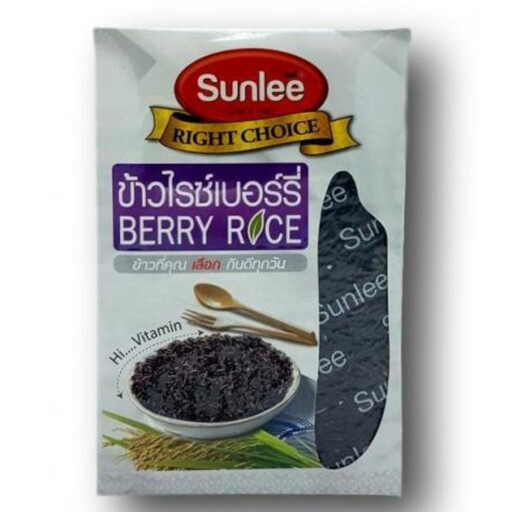
Why It's a Great Fit: Ideal for anyone looking for a nutritious and flavourful base for their daily meals. This whole-grain, multi-grain rice from Thailand is a straightforward alternative to white rice and is excellent for curries, salads, or meal prep.
The ingredient list is completely transparent: 100% multi-grain rice. The nutritional information is clearly declared, showing a high protein (8.6 g) and fibre content with no hidden sugar.
A naturally sweet, nutty flavour and a soft yet firm texture. The vacuum packaging ensures the product's freshness.
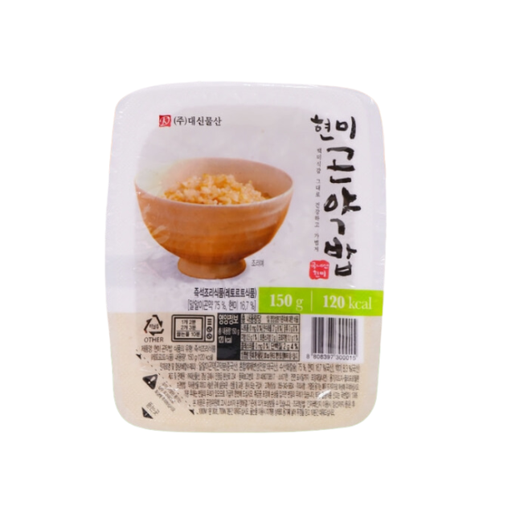
Why It's a Great Fit: For those looking to reduce their calorie intake without sacrificing the feeling of a full meal. This blend is a smart addition to diet plans or a low-carb lifestyle.
The product is clearly declared as Konjac Rice, not conventional rice. The nutrition table confirms its low calorie count of 80 kcal per 100 g and the absence of sugar.
Very quick to prepare in the microwave or in boiling water. The blend of konjac and brown rice offers a more pleasant texture than pure konjac rice.
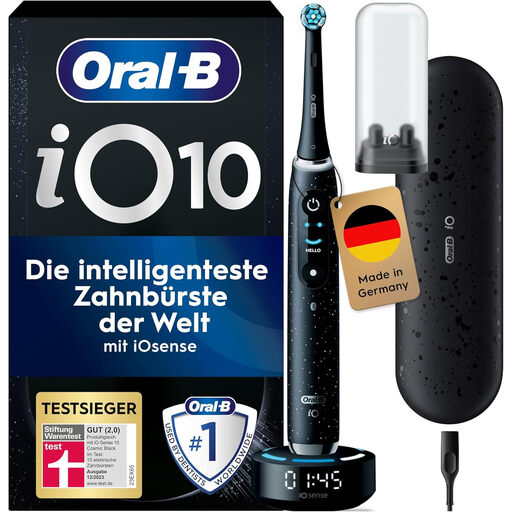
Why It's a Great Fit: For individuals who follow a holistic approach to health, where nutrition and advanced personal care go hand in hand. Premium oral care is an integral part of overall well-being.
Instead of relying on vague wellness claims, this product offers measurable technology. The iO Sense technology provides real-time feedback on brushing position, duration, and pressure, enabling an objective improvement in brushing habits.
According to the manufacturer, the toothbrush removes up to 100% more plaque than a manual toothbrush. It features 7 cleaning modes for personalised care and a visual pressure sensor to protect the gums.
A mindful diet starts with the right choices. If you want to discover more high-quality whole-grain products that meet our criteria, you'll find a carefully curated selection here.
Look for a uniform, variety-specific colour and whole, undamaged grains. Vacuum packaging is an indicator of freshness and protection from pests. Ideally, the ingredient list should contain only one item: the specific rice variety (e.g., "Brown Jasmine Rice").
Konjac rice is an excellent low-calorie alternative, consisting mainly of water and the dietary fibre glucomannan. It is very low in carbohydrates and energy. To ensure a balanced meal, it should be combined with nutrient-rich foods like vegetables, legumes, or a protein source, as it alone does not meet the energy needs provided by conventional rice.
After opening, you should transfer the contents into an airtight container. Store it in a cool, dry, and dark place. This protects the food from moisture, pests, and the loss of flavour and nutrients, thus ensuring its quality over a longer period.