
Lieferung heute & morgen

Qualitätsgarantie

Willkommens-Angebote freischalten: KOSTENLOSE Lieferung | Bis zu 80 % RABATT | Kostenlose 30-Tage-JoyPlus-Testphase
App herunterladen
Whether for the office, university, or creative projects, the selection of pens and stationery is vast. But not every product delivers on its promise. Misleading claims and vague product features often lead to frustration and unnecessary expenses. This guide will help you identify the crucial criteria and find the right writing instrument for your needs.
Many buyers rely on marketing terms that mean little in practice. Watch out for these three common problems to avoid disappointment:
To find the right pen, you should focus on objective features. The following three parameters are crucial for most applications.
The ink's composition determines its intended use. The wrong choice can ruin documents or make labels illegible.
The pen's tip defines the precision and character of the script.
The quality of the barrel and useful extras determine durability and comfort.
Based on these criteria, we have selected some products for typical user profiles.
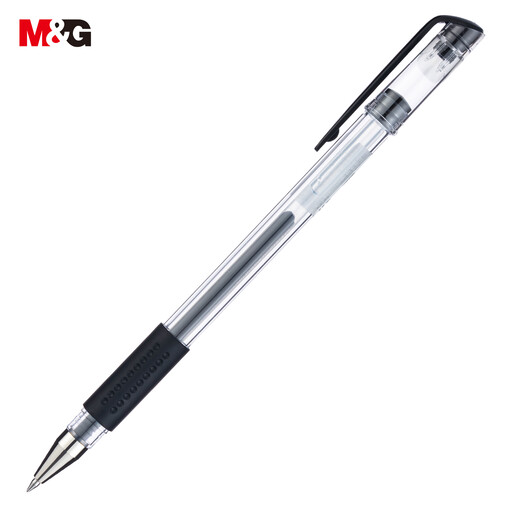
Why This Fits Their Persona: Ideal for students and offices that need a reliable supply of writing tools. The bulk pack offers excellent value for money for daily needs, whether you're buying online office supplies or putting together a back-to-school kit.
The quick-drying gel ink minimises smudging—a common problem with budget gel pens—making it well-suited for left-handers.
Consistent ink flow from the 0.5 mm tip; ergonomic grip for comfortable writing.
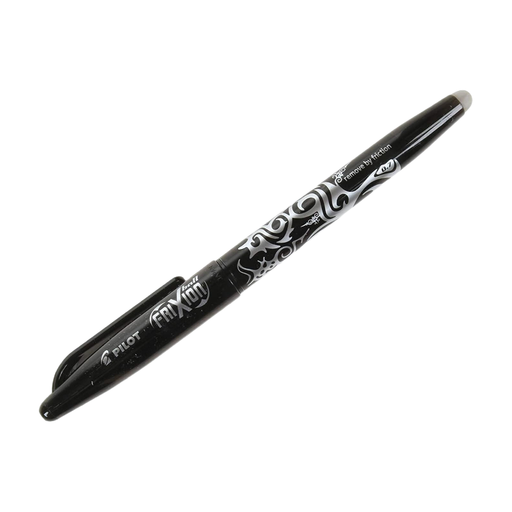
Why This Fits Their Persona: Perfect for anyone who frequently needs to correct notes, calendar entries, or drafts. The ability to cleanly remove mistakes makes it the ideal tool for planning and organisation.
This pen solves the problem of messy erasable ink. Its thermo-sensitive ink disappears completely with frictional heat, without damaging the paper or leaving shadows.
Precise 0.7 mm tip for clear line work; ink is refillable, which is better for the environment and saves on costs.
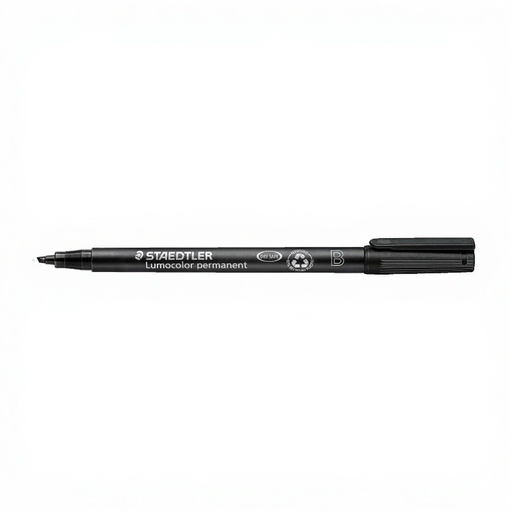
Why This Fits Their Persona: For tradespeople, logistics staff, or artists who require absolutely reliable and durable labelling on diverse surfaces. The chisel tip allows for variable stroke widths for different tasks.
The DRY SAFE technology prevents it from drying out, even if left uncapped for days. Furthermore, the ink is low-odour and is smudge-proof and waterproof on almost all surfaces, bypassing the pitfall of fading "permanent" ink.
Airplane-Safe for worry-free travel; refillable for greater sustainability and lower running costs.
We've compiled a complete, up-to-date list of products that fully meet these strict selection criteria and rigorous safety standards.
1. What is the difference between a gel pen and a fineliner? A gel pen uses a pigmented, gel-based ink that provides a very smooth and vibrant script. A fineliner, on the other hand, uses a thinner, often dye-based ink and has a hard, usually metal-encased tip for very precise and fine lines. Fineliners are better for drawings and technical sketches, while gel pens are suited for fluid, everyday writing.
2. How should I store pens correctly to prevent them from drying out? Most pens, especially fibre-tip pens, fineliners, and markers, should be stored horizontally. This ensures the tip is evenly supplied with ink and prevents it from drying out or leaking. For pens with caps, it is crucial to replace them firmly after each use.
3. Do erasable pens work on all types of paper? Erasable pens like the Pilot Frixion work best on smooth, standard office paper. On very rough or textured paper, the friction can damage the paper fibres. Additionally, the ink should not be used on documents that will be exposed to heat (e.g., left in a car), as this can cause the writing to become invisible.