
Lieferung heute & morgen

Qualitätsgarantie

Willkommens-Angebote freischalten: KOSTENLOSE Lieferung | Bis zu 80 % RABATT | Kostenlose 30-Tage-JoyPlus-Testphase
App herunterladen
Dark spots, acne marks and an uneven skin tone can be addressed as part of your daily skincare routine with the right face serum. But there’s plenty of choice: vitamin C, alpha arbutin, niacinamide, tranexamic acid and Thiamidol are often associated with a more even-looking complexion. The key isn’t the boldest marketing claim, but the combination of active ingredient, concentration, skin compatibility and correct use.
As a Joybuy Product Recommendation Officer, I’ll explain the main things to consider when shopping, so you can make sense of the marketing claims.
A vitamin C serum or niacinamide serum with a high percentage may be appealing, but it won’t suit every skincare routine. Particularly sensitive or dehydrated skin may react to several potent active ingredients used at the same time, with tightness, redness or stinging. A high concentration alone is therefore no guarantee of quality.
A brightening serum or lightening face serum won’t change your natural skin colour. Cosmetic products are generally designed to care for the appearance of discolouration, a dull complexion or uneven skin tone with regular use. Visible changes usually take patience and a consistent routine.
UV rays can contribute to the visible intensification of pigmentation. If you use an anti-dark spot serum in the morning, you should apply a suitable sunscreen afterwards. Without this step, your daily skincare routine is less effective. Don’t use a serum on irritated or broken skin.
For acne marks, it’s also important to distinguish between flat dark discolouration and raised or indented scars. A serum for acne marks may primarily target visible unevenness in skin tone, rather than every type of textural scarring.
Check the full INCI list on the packaging. As well as the main active ingredient, humectants such as glycerin or hyaluronic acid, soothing ingredients such as Centella Asiatica, and potential fragrance and essential oils are all worth considering. A lightweight Korean face serum may layer well, but it should still suit your skin.
A watery or gel-like texture usually works well with several skincare steps and can be used under a cream. Pack size also matters if you use a product daily: 30 ml is compact, while 50 or 60 ml may be more practical if you use it often. Products with acids or retinol should be introduced particularly carefully, and you should use sunscreen during the day.
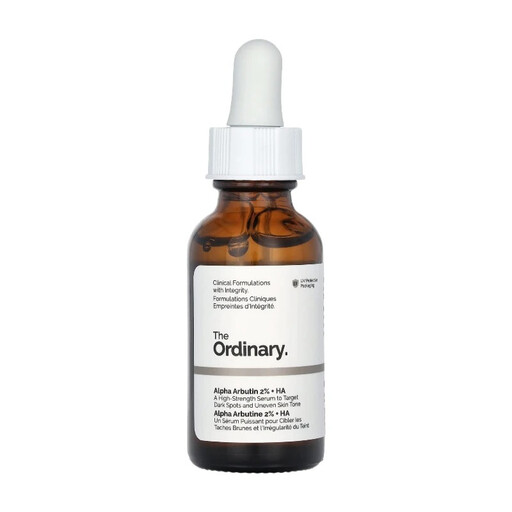
Why this product suits this profile: Its straightforward formula combines 2% alpha arbutin with hydrolysed hyaluronic acid, making it a good fit for a simple, well-structured beginner’s routine.
The focus on active ingredients is clear, without a long list of potent ingredients combined together. This makes it easier to build up your routine gradually.
2% alpha arbutin; hyaluronic acid for added hydration; product description recommends use in the morning and evening.
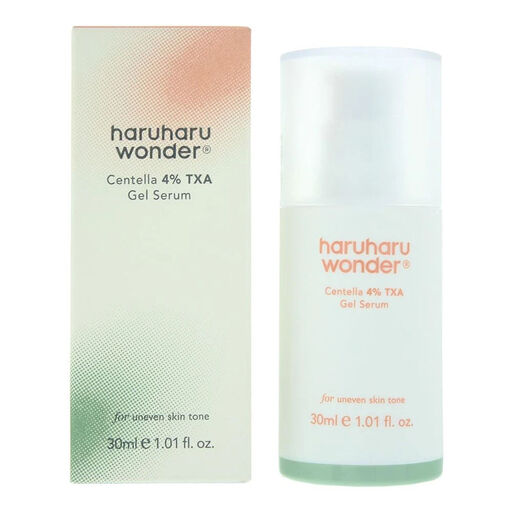
Why this product suits this profile: According to the product information, the formula combines 4% tranexamic acid with Centella Asiatica in a lightweight, fast-absorbing texture.
The specific TXA concentration is stated. Centella Asiatica adds a soothing ingredient to the formula, which may appeal if you want to consider more than just pigmentation care.
4% tranexamic acid, according to the product description; Centella Asiatica extract; designed for daily use.
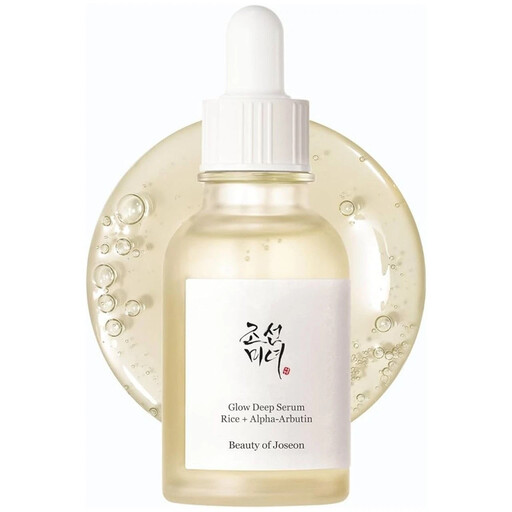
Why this product suits this profile: The 60 ml size is practical for regular use. Rice water, alpha arbutin, niacinamide and panthenol address several skincare needs in one routine.
The formula isn’t built around just one marketing claim; it also contains hydrating and skincare ingredients. Check the current INCI list before buying.
60 ml; 2% alpha arbutin, according to the product description; no added fragrance or essential oils, according to the supplier.
We’ve put together a complete, regularly updated list of products that meet these strict selection criteria and fully comply with the safety regulations in force in the EU.
If you’re using a vitamin C serum, a product with acids or a TIRTIR serum with retinol, pay particular attention to the relevant warnings. Stop using the product if irritation persists. The product packaging contains the definitive, most up-to-date INCI list, batch information and expiry date.
A cosmetic skincare routine needs to be followed regularly. The visible results can depend on your skin type, the cause of the discolouration, sun exposure and other skincare products. It’s therefore not possible to give a reliable timeframe that applies to everyone.
That depends on the specific formulas and how well your skin tolerates them. If you’re new to active ingredients, it’s sensible to start with one product and introduce any others gradually, at different times. If you experience stinging, redness or noticeable dryness, simplify your routine.
No. The INCI list, active ingredient information, texture, pack size and skin compatibility are more useful guides than price alone. A simply formulated serum may suit a particular routine better than a product containing several combined active ingredients.