
Lieferung heute & morgen

Qualitätsgarantie

Willkommens-Angebote freischalten: KOSTENLOSE Lieferung | Bis zu 80 % RABATT | Kostenlose 30-Tage-JoyPlus-Testphase
App herunterladen
A vanity unit is a simple and effective solution for making smart use of under-sink space in the bathroom. It not only conceals unsightly pipes and the siphon but also creates valuable storage for cleaning supplies, towels, and toiletries. However, the sheer number of options can be overwhelming and lead to poor purchasing decisions. Many models look great at first glance but reveal their weaknesses after just a few months in a humid bathroom environment.
As your Joybuy Product Recommendation Officer, I'm here to help you recognise the typical pitfalls and make an informed decision. We'll focus on the features that truly matter, ensuring your new vanity unit is a long-lasting asset to your home.
Before we explore the solutions, it's important to understand the most common problems that can arise when choosing a cabinet for under your washbasin.
To avoid these problems, you should carefully check three core aspects before buying. These will determine the durability and functionality of your new under-sink bathroom furniture.
The choice of material is crucial for its lifespan in the bathroom.
The choice between a freestanding and a wall-mounted model depends on your personal preferences and the conditions in your bathroom.
Measurement is everything. Take the time to avoid mistakes.
Here are some recommendations tailored to different needs and bathroom situations.
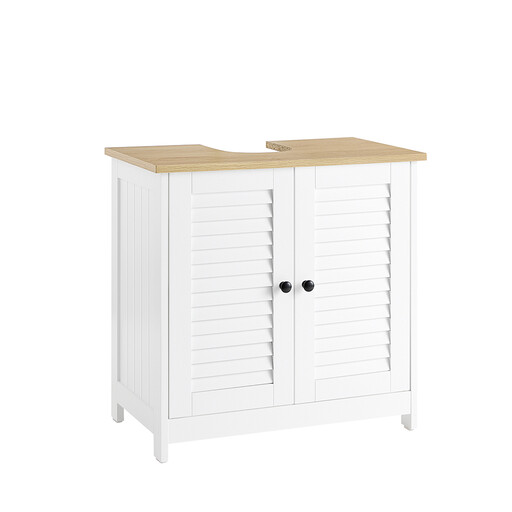
Why This Fits Their Persona: Ideal for anyone looking for a functional and cost-effective solution to create order. The classic design fits most bathrooms, and the focus is on practical utility.
The louvred doors promote air circulation, preventing moisture build-up and mould. The adjustable shelves solve the problem of an impractical interior layout.
Made from E1-grade MDF boards for stability. Silicone foot pads protect the cabinet from floor moisture. Standard siphon cut-out for common installations.
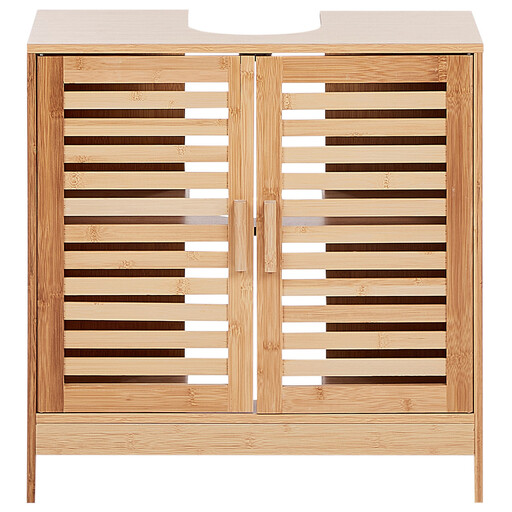
Why This Fits Their Persona: Perfect for users who prefer a warm, natural aesthetic with a Scandinavian feel and value sustainable materials.
Bamboo is naturally more moisture-resistant than conventional wood composites, making it a durable choice for the bathroom. The slatted design also ensures good ventilation.
Brings a warm, natural look to the bathroom. The material is robust and easy to clean. Two shelves provide organised storage space.
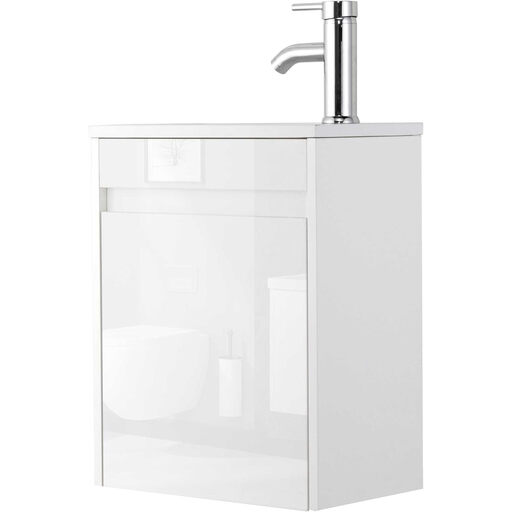
Why This Fits Their Persona: The perfect all-in-one solution for guest toilets or very small bathrooms where every centimetre counts. Ideal for anyone seeking a space-saving and modern unit.
As a complete set including the basin and cabinet, the risk of a mismatched siphon cut-out or incorrect dimensions is eliminated. The wall-mounted design maximises free floor space.
Extremely space-saving at only 40.6 cm wide. The wall-mounted design simplifies floor cleaning and creates an open, airy feel. Smooth surfaces are easy to maintain.
We've compiled a complete, up-to-date list of products that fully meet these strict selection criteria and UK safety regulations.
1. How do I measure correctly for a vanity unit? Measure three crucial dimensions:
2. What is better: a wall-mounted or a freestanding vanity unit? This depends on your priorities. Freestanding models are easier to install and often more affordable. Wall-mounted models look more modern, make floor cleaning easier, and can make small bathrooms appear larger, but they require a sturdy wall for installation.
3. How do I protect a wooden vanity unit from moisture? Ensure the cabinet has a good surface seal (lacquer, oil, or wax). Always wipe away splashes of water immediately. Ventilate the bathroom regularly after showering or bathing to reduce overall humidity. For solid wood, the protective layer may need to be reapplied every few years, according to the manufacturer's instructions.