
Lieferung heute & morgen

Qualitätsgarantie

Willkommens-Angebote freischalten: KOSTENLOSE Lieferung | Bis zu 80 % RABATT | Kostenlose 30-Tage-JoyPlus-Testphase
App herunterladen
A carefully chosen decorative vase can define the atmosphere of a room. However, the search for the right piece is often more difficult than it seems. Many buyers are disappointed when a vase that looked appealing online doesn't meet their expectations in reality. Certain design and material weaknesses often only become apparent after the purchase, leading to frustration instead of joy with the new decor.
This guide highlights the most common pitfalls when buying a vase and shows you which crucial features to look out for. This way, you can ensure that your next vase is not only visually stunning but also functional and durable.
Marketing images can be deceiving. Certain flaws only reveal themselves in daily use. Pay attention to these three critical points to avoid a bad purchase.
A common problem is vases with a high centre of gravity and a narrow base. While such models may look elegant, they tend to tip over with the slightest touch or from the weight of long-stemmed flowers. The risk increases on uneven surfaces or in households with children and pets. An unstable vase is not only impractical but also poses a risk to your furniture and floors.
Not every ceramic vase is suitable for fresh flowers. Porous, unglazed ceramics can absorb water and slowly release it to the outside ("sweating"). This leads to unsightly water stains and permanent damage on delicate wood or lacquered surfaces. Likewise, low-quality paints or coatings can swell, peel, or discolour when in contact with water.
Product photos can distort a vase's proportions. A model that appears large and prominent in a picture may turn out to be too small for its intended space. An even more common mistake is ignoring the opening diameter. A narrow opening severely limits its use and is often only suitable for single stems or as a vase for dried flowers, but not for a lush bouquet.
To make an informed decision, you should check three technical parameters that determine the longevity and functionality of your vase.
The material determines not only the look but also the care and durability.
A good vase stands firm and secure. Look for the following features:
The dimensions of a vase must match its intended purpose.
Instead of general recommendations, here we present specific products tailored to specific needs and requirement profiles.

Why this set is a great fit: The design is highly symbolic—two vases that together form the silhouette of an embracing couple. It's a meaningful and artistic element for living room decor or as a gift for weddings and anniversaries.
The vases are crafted from ceramic fired at 927°C, featuring thick walls and a polished base. This ensures high stability. The sandblasted matte surface is resistant to fingerprints.
Symbolic design with a hollow heart shape; designed as a set for a harmonious decorative statement.
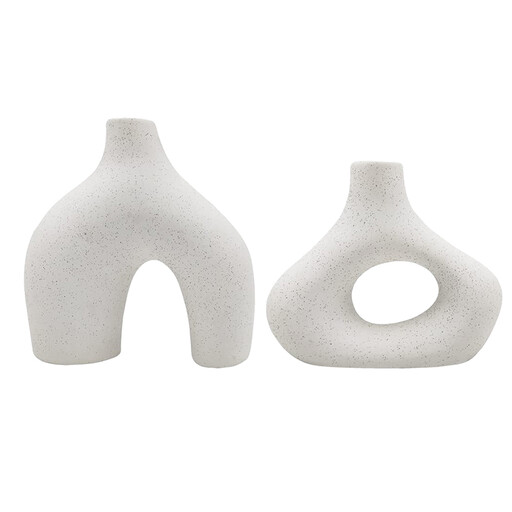
Why this set is a great fit: The irregular, hollow shape makes a clear statement and perfectly complements modern, Scandinavian, or bohemian interior styles. This modern vase is more of a sculpture than just a container.
This handmade white flower vase made of high-quality ceramic features a waterproof coating. It can therefore be safely filled with fresh flowers and water without moisture seeping through and damaging furniture.
Waterproof and corrosion-resistant, suitable for fresh and dried flowers; artistic, irregular design.

Why this set is a great fit: For weddings, parties, or high-activity households, safety is key. These vases, made from thick PET acrylic, offer the clarity of glass but are shatterproof and lightweight. The set of three different heights allows for dynamic table arrangements.
The material is explicitly declared as shatterproof, eliminating the risk of broken glass. Despite their light weight, the cylindrical shape ensures good stability, counteracting the risk of tipping over.
Shatterproof, lightweight, and crystal-clear; offered as a set for versatile decorating options at events or at home.
We have compiled a complete, up-to-date list of products that fully meet these strict selection criteria and UK safety regulations.
1. How do you clean a ceramic vase with a matte surface? Matte surfaces are more prone to grease stains than glossy ones. To clean, use a soft, damp cloth and, if necessary, a mild soap solution. Avoid abrasive cleaners or hard brushes, as they can damage the texture. For most dirt, a simple wipe-down is sufficient.
2. Which vase is best for dried flowers? In principle, all types of vases are suitable for dried flowers, pampas grass, or artificial branches, as water resistance is not required. They are shown to their best advantage in vases with a narrow opening that bundles the stems and keeps them upright. Models with interesting textures or sculptural forms, like a modern vase made of ceramic, enhance the decorative character of dried flower arrangements.
3. Are acrylic vases a good alternative to glass vases? Yes, in many situations, they are. High-quality acrylic vases are visually almost indistinguishable from glass but are significantly more robust and lighter. Their shatterproof nature makes them the ideal choice for public areas, events, or households with children. They are also easy to care for but should not be cleaned with harsh chemicals or abrasive sponges.