
Lieferung heute & morgen

Qualitätsgarantie

Willkommens-Angebote freischalten: KOSTENLOSE Lieferung | Bis zu 80 % RABATT | Kostenlose 30-Tage-JoyPlus-Testphase
App herunterladen
The world of sparkling wine can be overwhelming. Whether you're looking for a Sekt for Sunday brunch, a Champagne for a special occasion, or a Prosecco for an aperitif, the labels and terminology often create more confusion than clarity. As a result, many shoppers stick to familiar brands or are swayed by marketing promises, which frequently leads to disappointment.
As your Joybuy Product Recommendation Officer, I'm here to help you understand the key criteria for making an informed choice. We'll shed light on two common pitfalls that might be preventing you from finding the right sparkling wine for your taste and occasion.
To order the right sparkling wine online, you should be familiar with two key parameters that significantly influence taste, quality, and price.
The method used to introduce carbonation into the wine is crucial for its mouthfeel and aromatic complexity.
The information on the label reveals how sweet the sparkling wine is. These terms are regulated across the EU, but their perception can vary.
This means a Sekt trocken is significantly sweeter than a Champagne Brut. This knowledge is the key to choosing the right sparkling wine for your palate.
Here are a few recommendations tailored to different profiles and needs.
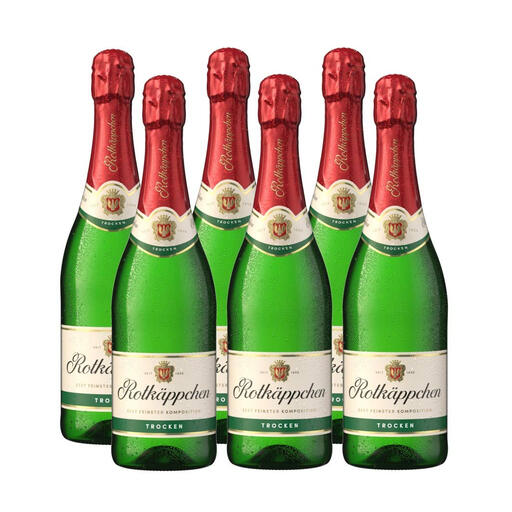
Why This Fits Their Persona: Ideal for large celebrations, birthdays, or as a reliable base for sparkling wine cocktails. Rotk?ppchen is an established brand in Germany, known for its consistent flavour profile and solid value for money.
This Sekt specifically caters to the popular "trocken" (dry) taste profile in Germany. You get exactly what the majority of guests expect, avoiding the "flavour trap" of accidentally serving a Brut that is too austere.
Broad appeal and a balanced, fruity bouquet. The multi-pack offers a practical supply for any celebration.
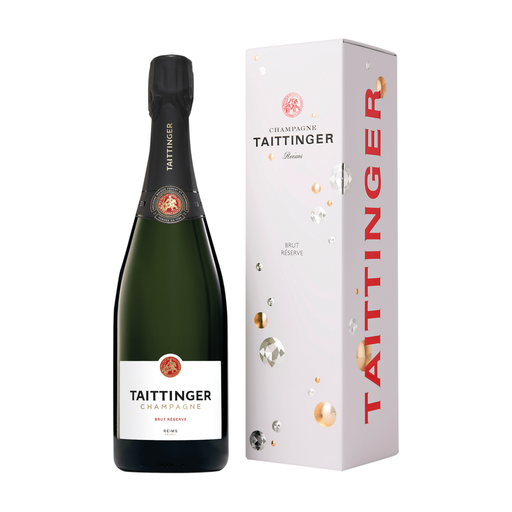
Why This Fits Their Persona: Perfect for milestones, weddings, or as a sophisticated gift. Those who value finesse and complexity when buying Champagne will find a balanced classic renowned for its quality.
This Champagne bypasses the "origin myth" by proving why its name is justified: through a high proportion of Chardonnay and long ageing, which create demonstrable quality and elegance that go beyond mere marketing.
Made using the traditional bottle fermentation method. It offers harmonious notes of brioche, peach, and white flowers, ensuring a complex yet fresh character.
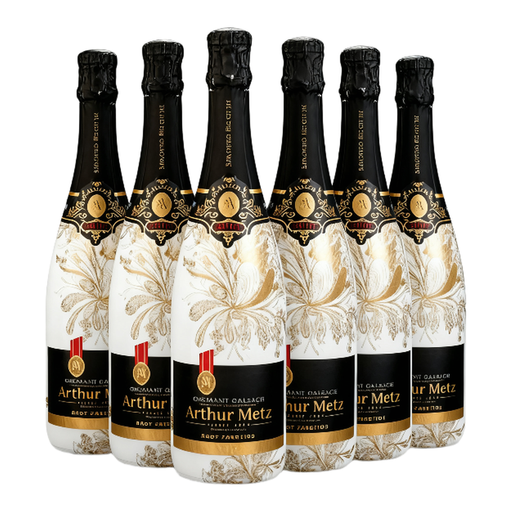
Why This Fits Their Persona: For connoisseurs who appreciate the production method but are looking for a more attractively priced alternative to Champagne. This Crémant is an excellent companion to seafood, poultry, or as an elegant aperitif.
This Crémant impressively debunks the "origin myth." It is produced using the same traditional bottle fermentation method as Champagne and offers comparable finesse without breaking the bank.
Excellent price-to-quality ratio. The cuvée of Pinot Blanc, Pinot Gris, and Riesling gives it aromas of white fruits and a refreshing, floral note.
We have compiled a complete, up-to-date list of products that meet these strict selection criteria and quality standards.
The main difference lies in their origin and production method.
As a rule of thumb: for a reception or as an aperitif, a dry style like Brut or Extra Brut is an excellent choice as it stimulates the palate. A Sekt trocken or a Prosecco Extra Dry is a great option for social gatherings where a more accessible, fruitier taste is preferred. Demi-Sec or other sweet sparkling wines, such as a Rosé Sekt with higher residual sugar, pair well with desserts or cheese platters.
Sparkling wine should be stored in a cool, dark place with a constant temperature (ideally 10–12 °C or 50–54 °F). Unlike still wine, storing bottles upright for periods of up to a year is not a problem, as the pressure inside the bottle keeps the cork moist. For longer-term storage, bottles should be laid on their side. Avoid temperature fluctuations and direct sunlight, as these can degrade the quality.