Finding the right chili powder can be a challenge. Anyone looking to prepare authentic international dishes quickly discovers that not all "chili powders" are created equal. The variety that gives an Indian curry its vibrant red hue is fundamentally different from the one needed for Korean kimchi or a fiery Sichuan dish.
This guide is here to help. It explains the key differences between various types of chili powder and presents a selection of products for specific culinary applications. Our goal is to provide you with a factual basis for your purchasing decision.
What to Look for When Buying Chili Powder
To find the right product for your recipe, three criteria are crucial: the grind size, the origin of the chili variety, and its associated flavor profile.
1. Grind Size: Powder vs. Flakes
The texture of the chili product directly impacts its use in the kitchen.
- Fine Powder: Finely ground chili powder dissolves easily in liquids like sauces, soups, or marinades. It ensures an even distribution of heat and color.
- Coarse Flakes:Chili flakes, such as Korean Gochugaru, are more coarsely ground. They release their heat more slowly and add a visible texture to dishes. They are particularly well-suited for pickling (as with kimchi) or as a garnish.
2. Origin and Variety Determine the Aroma
The geographical origin and the chili variety used are decisive for the flavor.
- Indian Chili Powder: Varieties like Kashmiri chili are known for their intense, vibrant red color and rather mild heat. They are a staple in many Indian curries where color is just as important as flavor.
- Korean Chili Powder:Gochugaru is the standard chili powder in Korean cuisine. It is characterized by a slightly smoky, fruity-sweet aroma and moderate heat. It is the essential ingredient for authentic chili powder for kimchi.
- Sichuan Chili: Chili powder from the Chinese province of Sichuan is often part of spice blends known for their "málà" (麻辣) profile—a combination of the heat from chilis and the numbing tingle of Szechuan peppercorns.
- Mexican Seasoning: Products like Tajín seasoning are not pure chili powders but rather blends. They typically contain salt and dehydrated lime juice in addition to chili, creating a complex, tangy-salty-spicy flavor experience.
3. Heat Level and Flavor Profile
Not every chili powder is extremely hot. The spectrum ranges from mild and color-enhancing to intense and fiery. Some varieties are primarily smoky, others fruity or earthy. A hot chili powder made from Habanero chilis has a completely different profile than a mild, vividly colored Kashmiri chili.
Our Recommended Chili Powders
Here is a selection of chili powders suitable for different cuisines and dishes. The descriptions are based on manufacturer specifications and typical culinary uses.
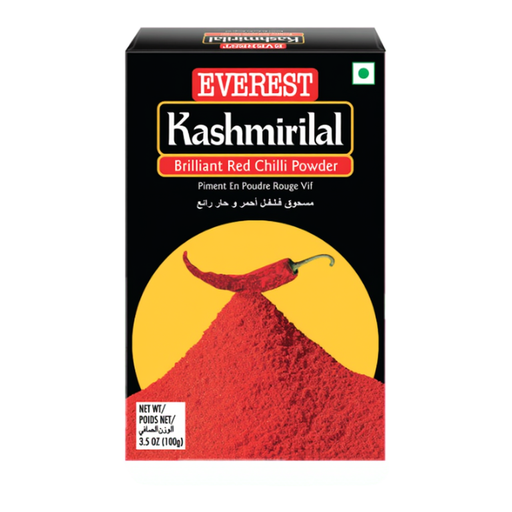
- Why It Stands Out: This finely ground Indian chili powder is known for its vibrant red color and mild heat level. It is used to give dishes an appealing look without overpowering them.
- Pros:
- Lends an intense, natural red color to dishes.
- Mild heat that doesn't mask the flavor of other spices.
- Made from 100% chili, according to the manufacturer.
- Best For: Home cooks who want to prepare authentic Indian dishes like Tandoori chicken or Rogan Josh and who value intense color with moderate heat.
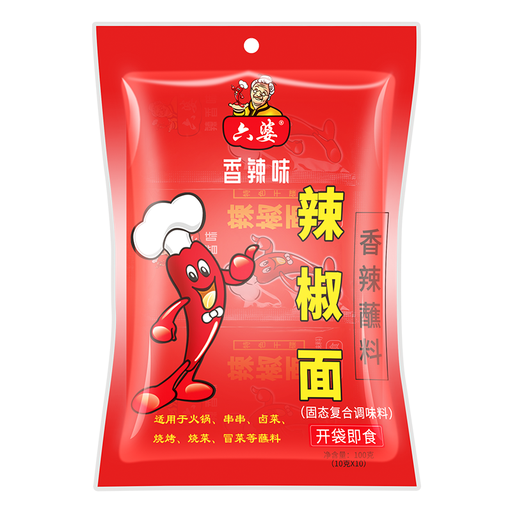
- Why It Stands Out: This is a classic spice blend for Sichuan cuisine. It combines the heat of chilis with the characteristic tingle of Szechuan peppercorns to create the typical "málà" flavor.
- Pros:
- Contains 60% chilis and 2% Szechuan peppercorns, according to the ingredients list.
- Versatile as a dry dip for hot pot and grilled foods, or for making chili oil.
- Packaged in convenient single-serving packets.
- Best For: Enthusiasts of Chinese cuisine, particularly from the Sichuan region. Ideal for anyone wanting to replicate the authentic taste of dishes like Mapo Tofu or hot pot at home.
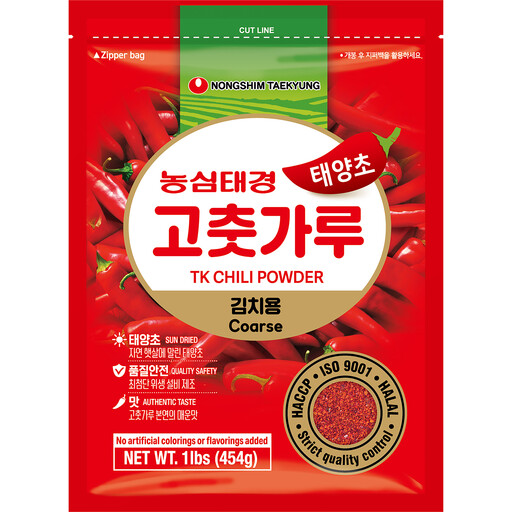
- Why It Stands Out: This coarsely ground Korean chili powder, also known as Gochugaru, is the foundation for countless Korean dishes. Its texture and smoky-sweet aroma are characteristic.
- Pros:
- Authentic ingredient for making kimchi.
- The coarse texture of the chili flakes adds color and character to stews (jjigae) and sauces.
- Offers a balanced, moderate heat with a slightly sweet note.
- Best For: A must-have for anyone looking for chili powder for kimchi or wanting to explore authentic Korean cuisine with dishes like sundubu-jjigae or tteokbokki.
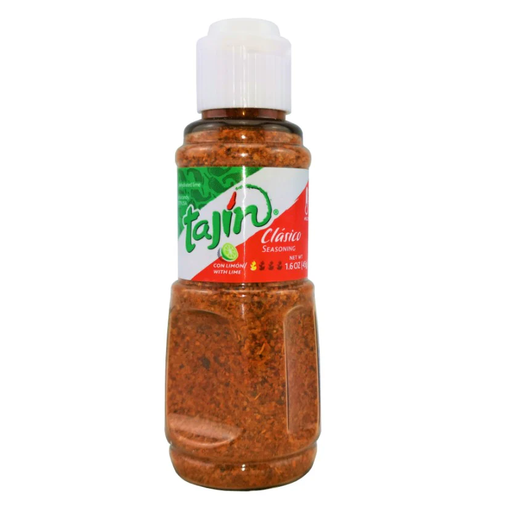
- Why It Stands Out:Tajín seasoning is a Mexican specialty that combines chili with sea salt and dehydrated lime juice. It's less about pure heat and more about a complex, tangy-spicy flavor experience.
- Pros:
- Unique flavor combination of spicy, salty, and sour.
- Extremely versatile: pairs perfectly with fresh fruits (mango, pineapple), vegetables, popcorn, or as a rim for cocktails like margaritas.
- Contains no artificial flavors or colors, according to the ingredients list.
- Best For: Adventurous foodies and fans of Latin American cuisine looking for a seasoning that adds a unique twist to dishes and snacks.
Discover More Options
Didn't find the right variety for your needs, or want to get a more comprehensive overview? In our category, you'll find a wider selection of products for a variety of culinary applications.
Discover Our Entire Range of Chili Powder & Spices Here
Frequently Asked Questions
What is the difference between chili powder and chili flakes?
The main difference is the grind size. Chili powder is very finely ground and distributes evenly in liquids. Chili flakes are coarsely crushed, dried chilis. They release their heat more slowly and add a visible texture to the dish.
Which chili powder is best for kimchi?
For authentic kimchi, Gochugaru, a Korean chili powder, is traditionally used. It has a vibrant red color, moderate heat, and a characteristic smoky-sweet aroma that is essential for the typical kimchi flavor. The coarse variety (chili flakes) is most commonly preferred.
How hot is Kashmiri chili?
Kashmiri chili is known for its mild heat. It is prized in Indian cuisine primarily for its ability to give dishes an intense, deep red color without making them overly spicy. It is therefore ideal for dishes where appearance plays an important role.


